


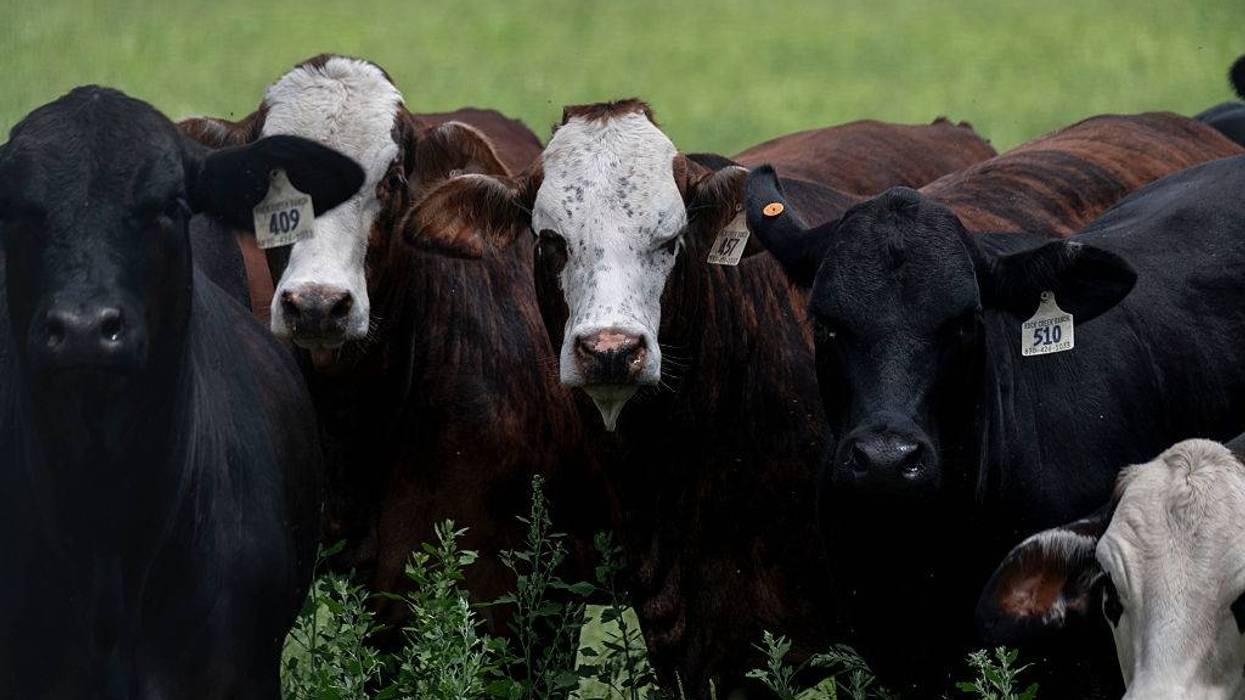

Gov. Greg Abbott has expanded a statewide disaster declaration as federal officials confirmed a second case of New World screwworm in a Zavala County calf, ramping up efforts to protect Texas livestock from the parasitic fly.
The U.S. Department of Agriculture announced the latest detection Friday in a one-month-old calf, located about 5.6 miles from the first confirmed case earlier in the week in the same South Texas county. The parasite, which had not been seen in the U.S. for nearly 60 years, lays eggs in open wounds of warm-blooded animals, with larvae that burrow into living tissue causing severe damage and economic losses.
Abbott signed the expanded order during a news conference at the Texas Emergency Operations Center in Austin. It builds on a January declaration and authorizes the use of all available state government resources to respond to the threat. State agencies, working closely with the USDA’s Animal and Plant Health Inspection Service and the Texas Animal Health Commission, have deployed mobile response teams, intensified surveillance, established quarantines in parts of Zavala and Uvalde counties, and increased releases of sterile flies to disrupt the pest’s reproduction.
USDA has confirmed a second detection of New World Screwworm in a one-month-old calf in Zavala County, Texas — approximately 5.6 miles from the first case.
— New World Screwworm Rapid Response (@Screwworm_RR) June 5, 2026
With our partners in Texas, we are responding with speed and strength.
The cases have triggered movement restrictions in the infested zone to prevent further spread. Officials stress that prompt detection and containment are critical, as an unchecked outbreak could devastate Texas’ $15 billion cattle industry, affect wildlife, and drive up beef prices nationwide. No human cases have been reported in Texas.
Ranchers are urged to inspect livestock frequently for wounds, maggots or foul odors and report suspicions immediately to the Texas Animal Health Commission or a veterinarian. The response draws on proven eradication techniques used successfully in the 1960s.