




Initial laboratory results indicate the controlled detonation of five tons of dangerous lead azide in southeastern Iowa has not caused a rise in the heavy metal in the bodies of water that supply drinking water to the area, the U.S. environmental agency said Saturday.
Test results from sampling done following the U.S. Army’s detonation of an aging stockpile of lead azide in Iowa were released by the Environmental Protection Agency.
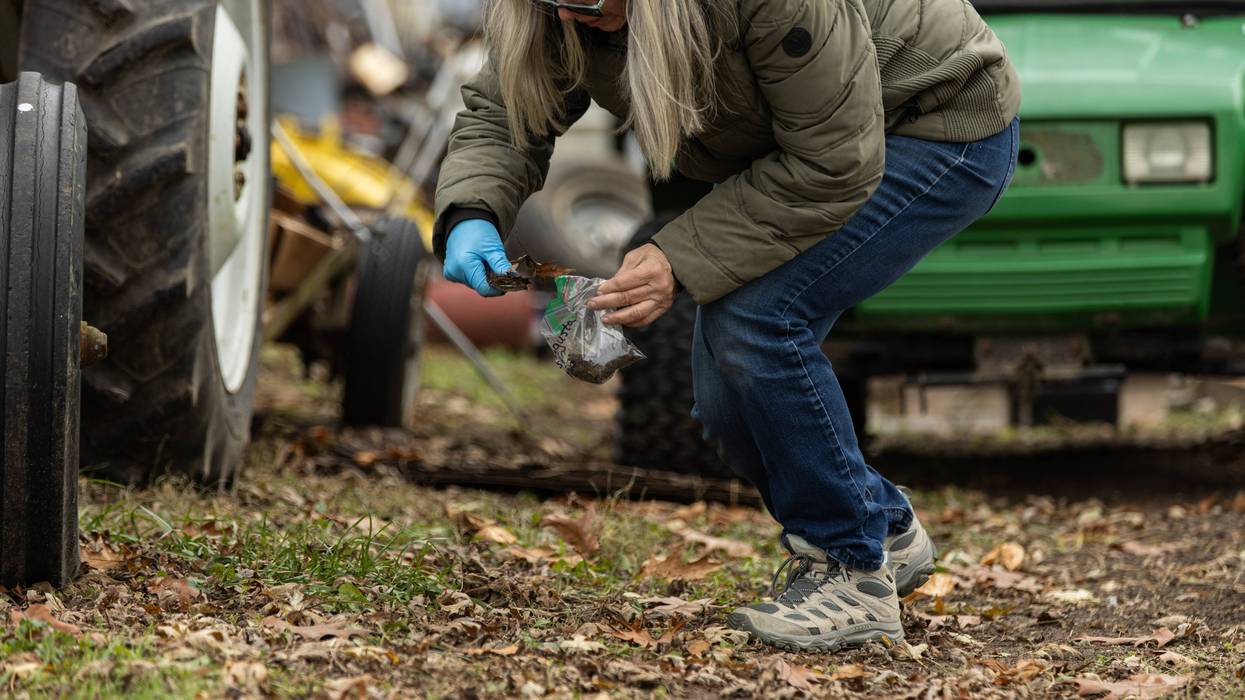
The EPA said about 300 people spent Thursday in the field sampling schools, playgrounds, churches and homes across the region. More than 1,500 samples were taken of air, water, soil and dust before the detonation and hundreds of samples, including from homes, parks and drinking water, afterward.
“The EPA monitored for the presence of airborne lead for 30 consecutive hours after the controlled detonation using the Xact air monitoring systems. We will continue to provide updates in the coming days as new lab results for over 3,200 air, soil, dust and water samples … return and get validated,” the EPA said in a post on X.
The mayor of Muscatine, Iowa, a small city about 50 miles (80 kilometers) north of Middletown, the tiny town where the Army stockpile was held, said that the EPA’s initial test results showing no elevated lead in drinking water or in the air were encouraging.
Mayor Brad Bark said in an email statement that the findings are a “reassurance for communities."
“Our priority remains the health and safety of our residents. We will continue to follow the recommendations and stay in close coordination with the EPA, the Army, state and county partners,” said Bark.
Lead is a heavy metal that’s especially dangerous to children and pregnant people. The Army has said the safest option was to detonate the stockpile right away because it was degrading and might explode uncontrollably as the weather got colder.
But the detonation has spurred widespread concerns about potential environmental contamination as well as questions about how and when the federal government communicated its plans.
Residents and some elected officials have criticized the Army for not being more transparent and providing more notice when it first determined the stockpile was unstable.
Middletown residents knew of the plans, but few others did — and the warnings largely failed to register with elected officials and the broader public until days before the planned detonation.
Wally Taylor, the legal chair for the Sierra Club Iowa Chapter, said he was not confident in the EPA’s results and thought it was still “too early to make any firm conclusions.” The chapter was one of the environmentalist groups that petitioned to pause a permit that cleared the way for Wednesday’s detonation. Taylor said that lead could still have spread near the explosion site and that he was waiting for test results from the University of Iowa, which sent out air monitors and collected samples before the detonation, and other research groups. “The lead had to go somewhere,” Taylor said.