
Football games are typically won and lost in the most high-leverage situations: third downs and in the red zone. However, while those are important things that determine the outcomes of games, they’re not as predictive for the future.
NFL analyst Warren Sharp joined Craig Hoffman and Logan Paulsen on the latest episode of Take Command to explain what to look out for in determining future success.
“I try to avoid looking too much at red zone statistics,” Sharp told Hoffman and Paulsen. “What we know is that the football field is 100 yards long. What happens in the 80 yards of that football field is going to be more predictive for the upcoming season as to how good your offense might be than what happened in those 20 yards down near the end zone.”
“I focus more on the 80 yards. I also focus more on early downs,” he continued. “I try to pull out third downs because third downs are a reactive down for play callers.”
It makes sense, even the casual fan knows that a team is most likely going to be passing in a third-and-long situation. Instead of keying in on those plays, Sharp casts a wider net to learn about a team’s strategy and philosophy.
“I want to see what their strategies and philosophies are on first and second down in the first half of games. In the first half of games that’s where we’ll get the true philosophy,” he said.
Sharp explained that a team may have good numbers on third down or in the red zone, but that may not matter as much in predictive analysis. Instead, he tries to pull back and focus on different things.
While a lot of focus is on those third-down situations and being a good second-half team, particularly a good fourth-quarter team, being a great first-half team is even more important.
“If you’re good at avoiding third downs and you get points on the board in the first half, then other teams on offense, because this is an offensive-driven league, will have to change their second-half philosophy to try to play catch up,” Sharp said. “Your defense will have a better idea of what they’re going to be running in that second half because they’re desperate and trying to come from behind.”
And as the old saying goes, the best defense is a good offense.
“When those offenses in the second half become predictable against your defense, it helps your defense more, and then your offense can be completely unpredictable in the second half playing with the lead,” Sharp explained. “The most important elements of football are first halves and early downs within those first halves, specifically on offense, and that’s what I focus on a lot more than other statistics that have higher leverage.”
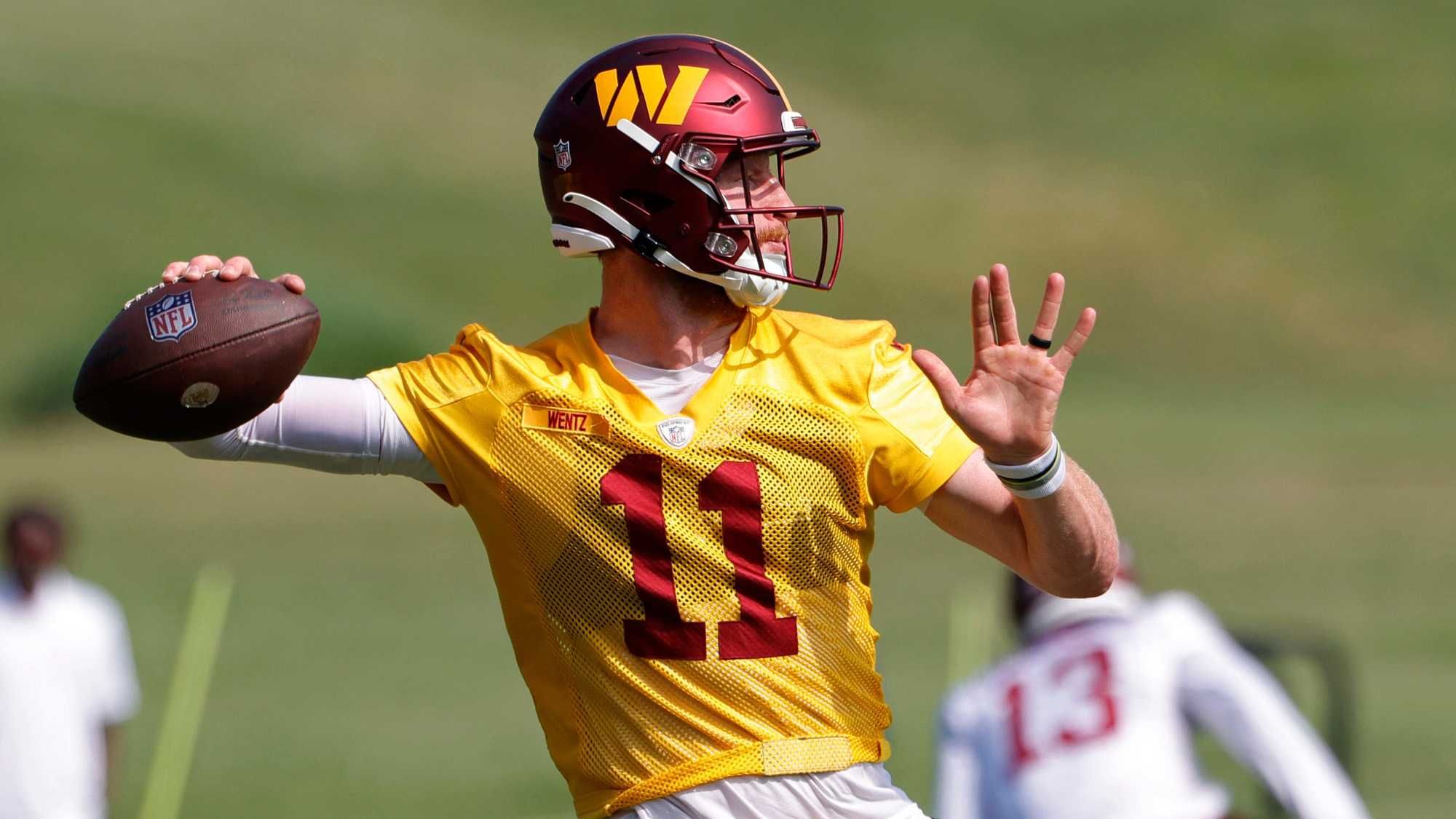
Sharp specifically said why it’s important for coaches to be aggressive in the first half with inexperienced quarterbacks: Rather than playing conservatively, teams should be aggressive early before defenses can’t sit back expecting a pass.
"There’s no doubt you have to execute, but most coaches around the league don’t understand the absolute importance of third-down avoidance and being an efficient offense to bypass these third downs and why you would want to race out to a lead at halftime.”
The Commanders had the lead at halftime in only six games last year and seemed to struggle in all of the high-leverage situations that Sharp talked about.
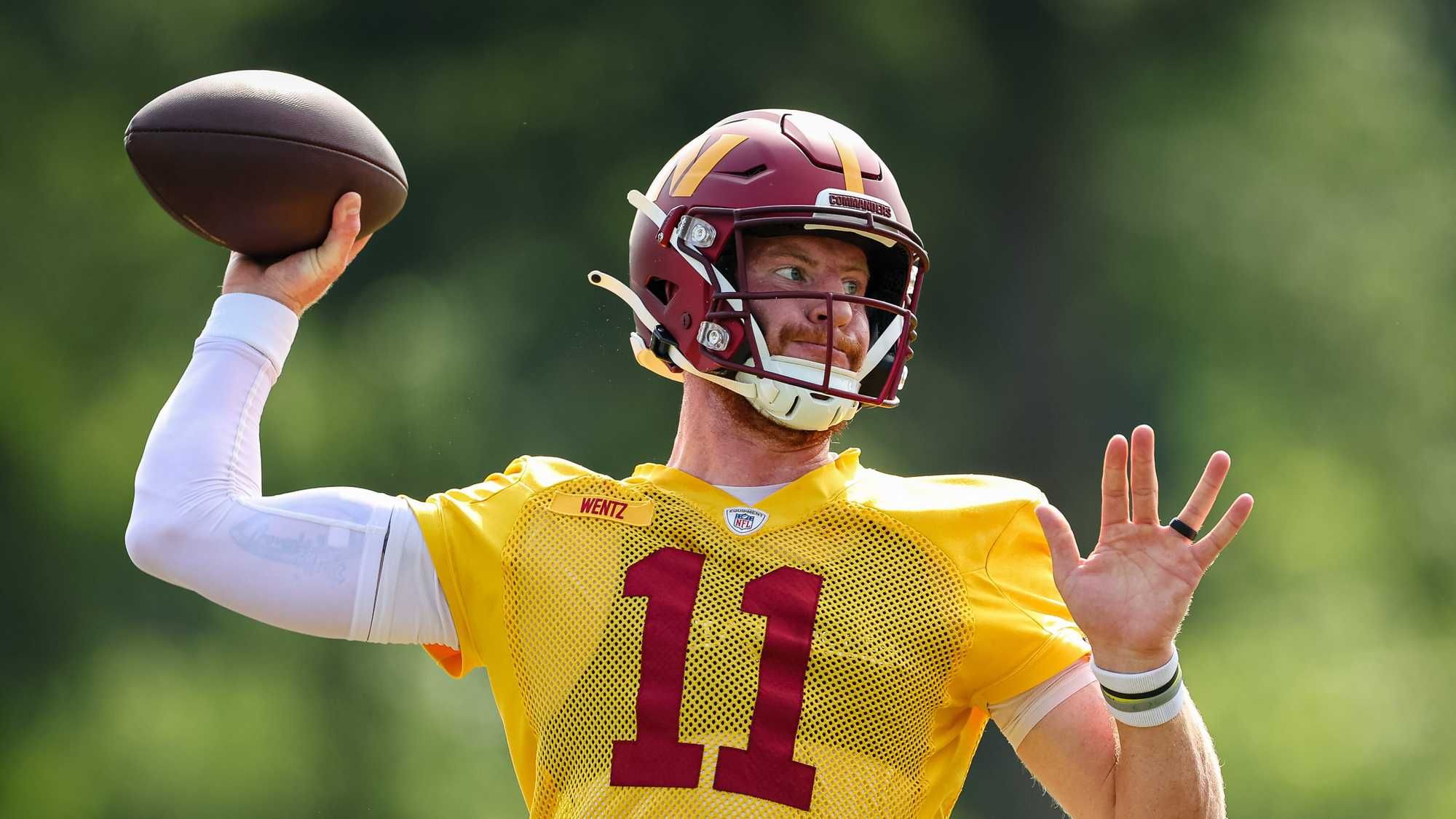
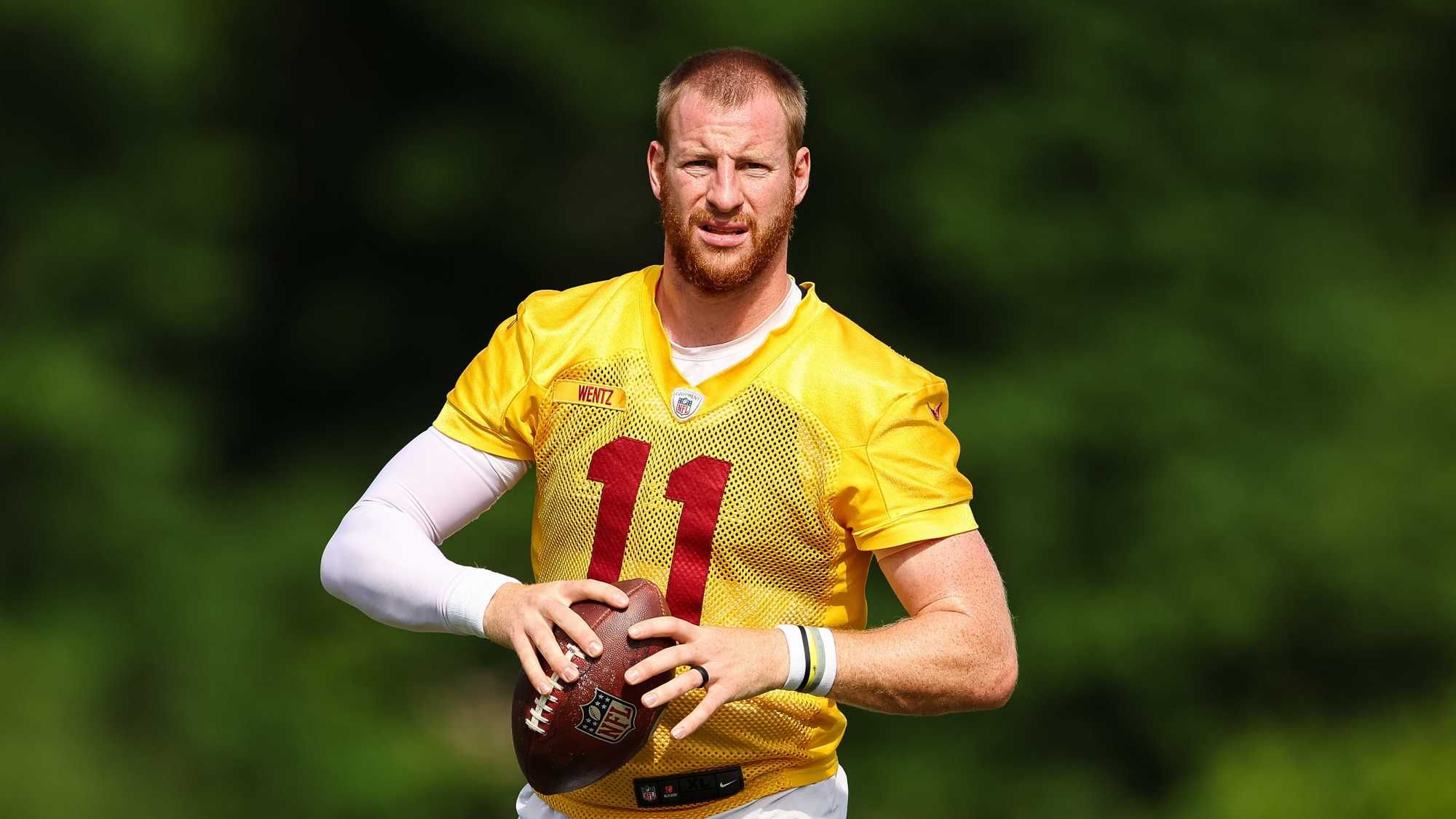
“You have to figure out a way to keep Carson Wentz out of these bad situations on third downs where he tends to have these issues. You’ll do a better job of that if you’re able to build those leads. I think it’s ultra important that you guys do try to come out passing the football early.”