

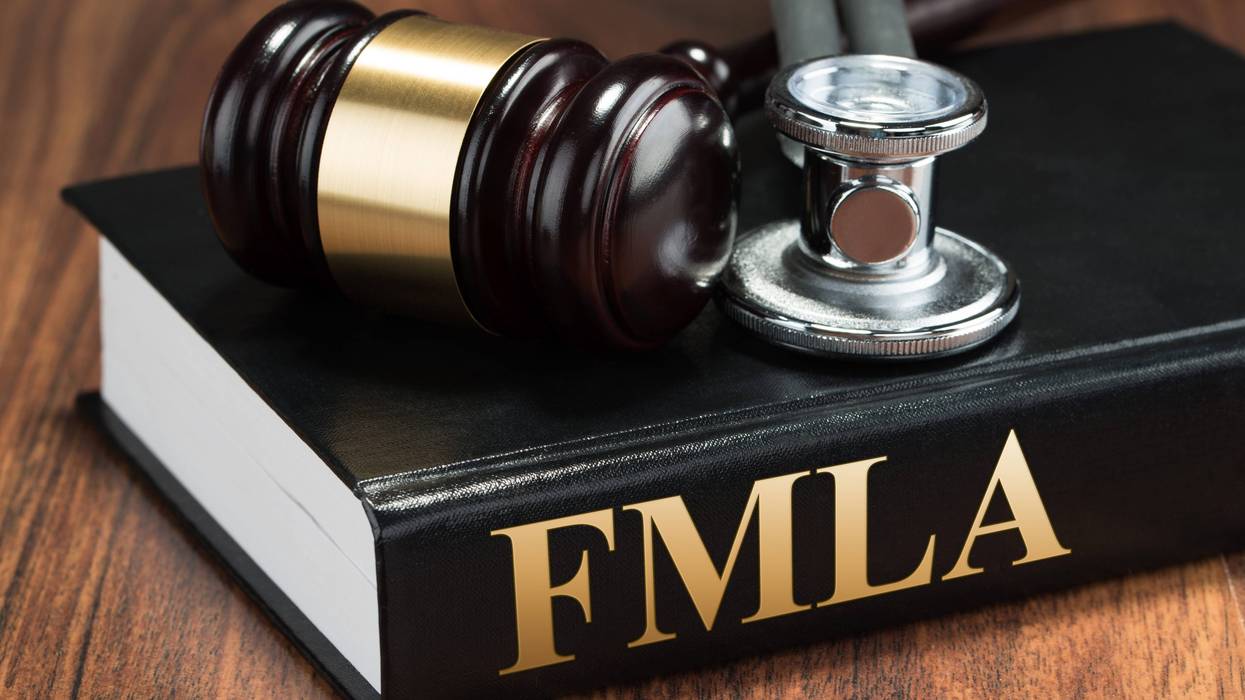

It's been 33 years since the Family and Medical Leave Act (FMLA) was passed. Now, Washington, D.C. based organization the National Partnership for Women & Families (NPWF) says the country needs to do more.
According to an annual report from the organization titled "Paid Leave Means a Stronger Nation" five million workers lack access to paid family leave through their job and 62% of Illinoisans can't access unpaid leave under the FMLA.
"We found that people in Illinois are losing $2.4 billion in wages every year when they need to take leave and don't have pay or only have partial pay," said Jessica Mason, Senior Policy Analyst for Economic Justice for the NPWF.
She said the issue impacts women especially.
"Women are actually, even though they're doing more care giving, they're less likely to have access to paid leave on their jobs," she said. "We often see women get pushed out of the labor force."
She said this hurts families, employers and the broader economy.
"On the other hand, especially in heterosexual couples, it also puts a lot of pressure on men to keep being the one 'breadwinner,'" she said. "When we see policies and paid leave in place, women are better able to stay attached to the labor force and don't have to make as many of those impossible choices between work and family."
According to the report, nationally, if women participated in the U.S. labor force at the same rate as in countries like Germany and Canada, the U.S. economy would have benefited from more than $6.7 trillion in additional economic activity.
Mason said it's those countries that can serve as a model for what paid leave could and should look like in the United States.
"It's not rocket science," she said. "It's a solvable problem. And we see that in other countries that do make more investments in care giving, that provide policies like paid family leave. Women are able to participate in the labor force at higher rates."
And while she said there are 14 state-level paid family leave medical programs that guarantee several weeks of paid time off, the rest of the country, including Illinois, still has a lot of catching up to do.
"That's really hurting economies," she said. "It's hurting families, it's hurting public health and it's leaving our country farther behind."