

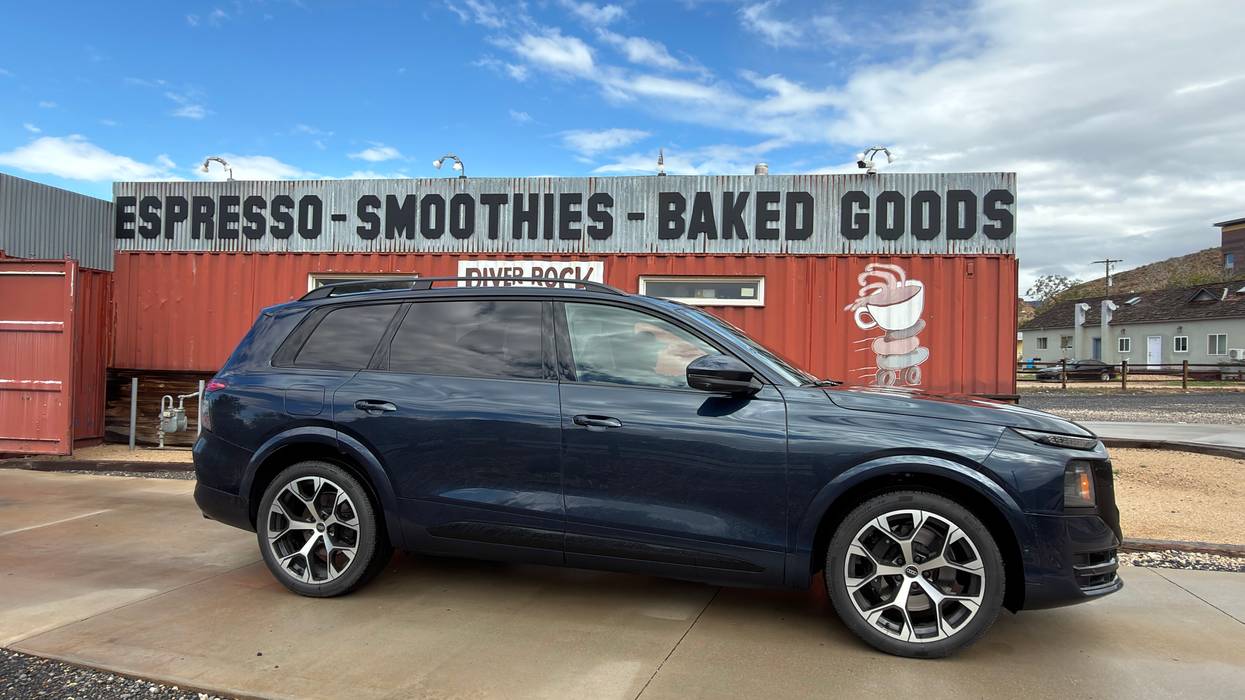

Audi's first full-size luxury SUVs deliver impressive performance, exceptional comfort, and thoughtful technology.
After driving both in Utah, the question isn't whether Audi belongs in this segment. It's which version makes the most sense.
First Impressions: Audi Finally Goes Big
For years, Audi has offered some of the market's most sophisticated luxury SUVs. But while the Q7 offered three rows of seating, buyers seeking a truly full-size luxury experience often found themselves considering the BMW X7, Mercedes-Benz GLS, or Range Rover.
That changes with the introduction of the all-new 2027 Audi Q9 and SQ9.
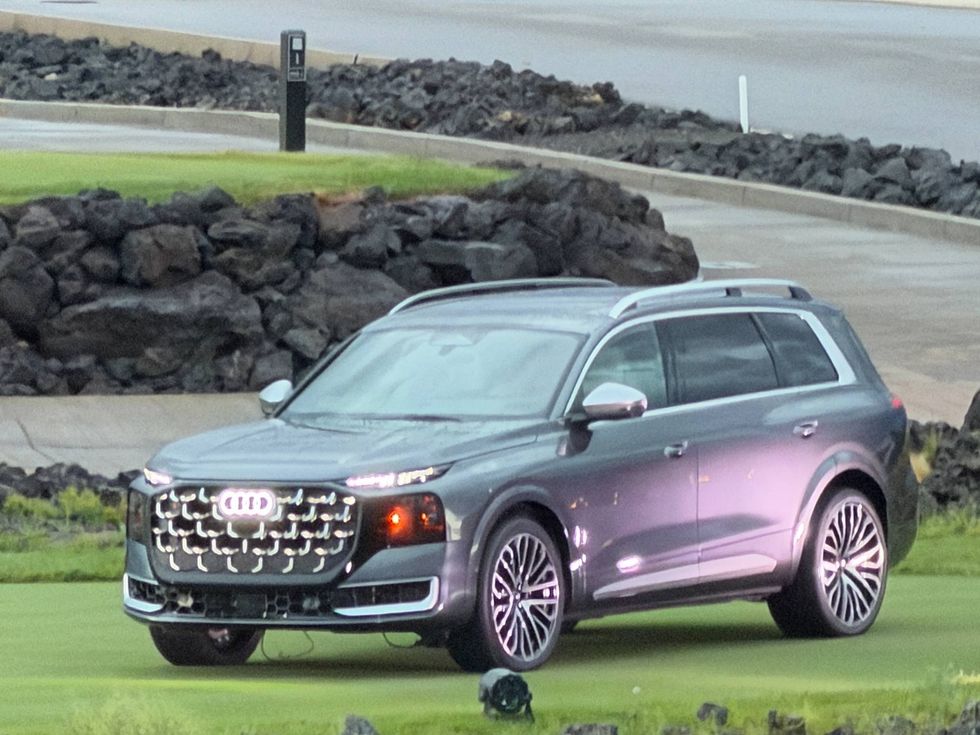 Daryl Killian
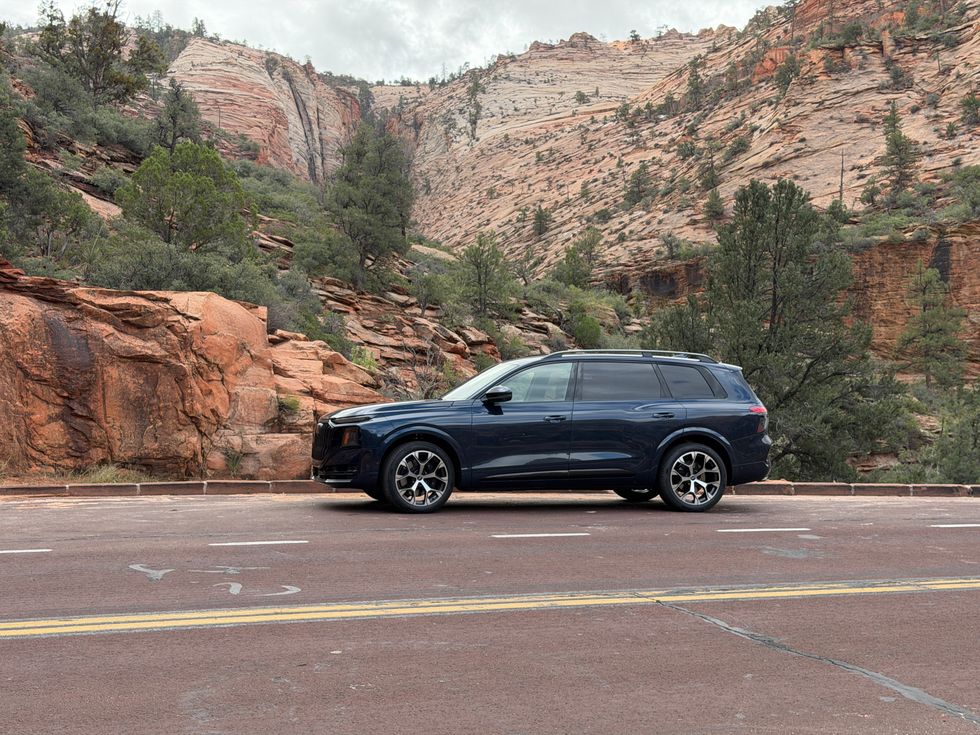
During a first drive through the mountains and scenic roads surrounding St. George, Utah, I had an opportunity to experience both vehicles. After spending time behind the wheel, examining the interiors, and sitting in all three rows, I came away impressed by what Audi has accomplished.
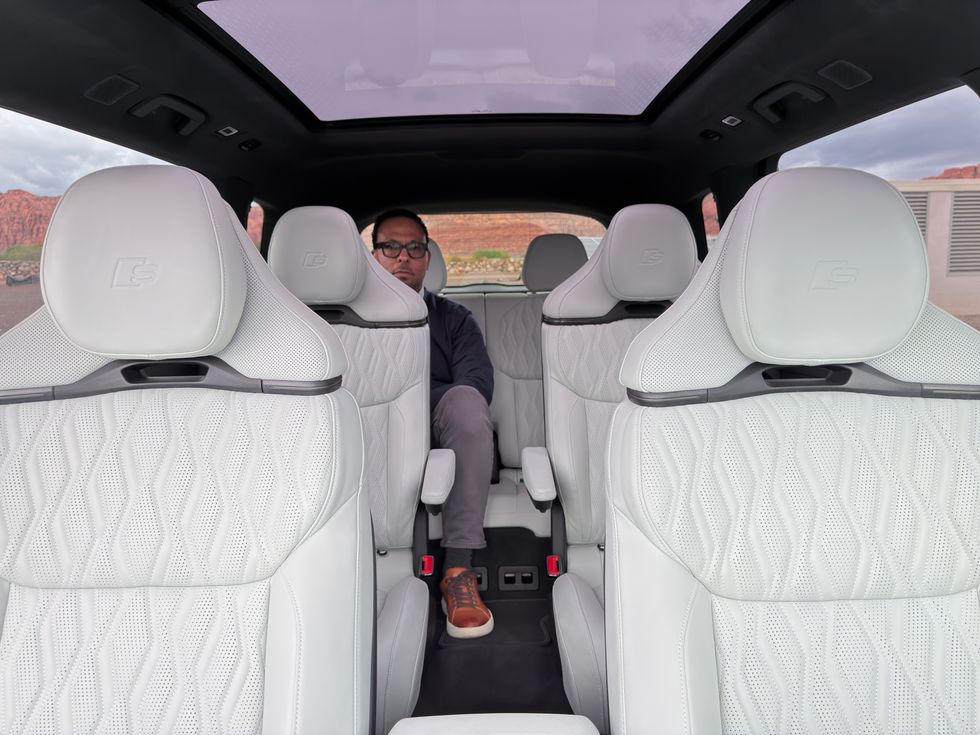 Daryl Killian
The Q9 and SQ9 are not simply larger versions of the Q7. They're exceptionally refined luxury SUVs with the kind of road manners, passenger accommodations, and technology that should get BMW and Mercedes-Benz's attention.
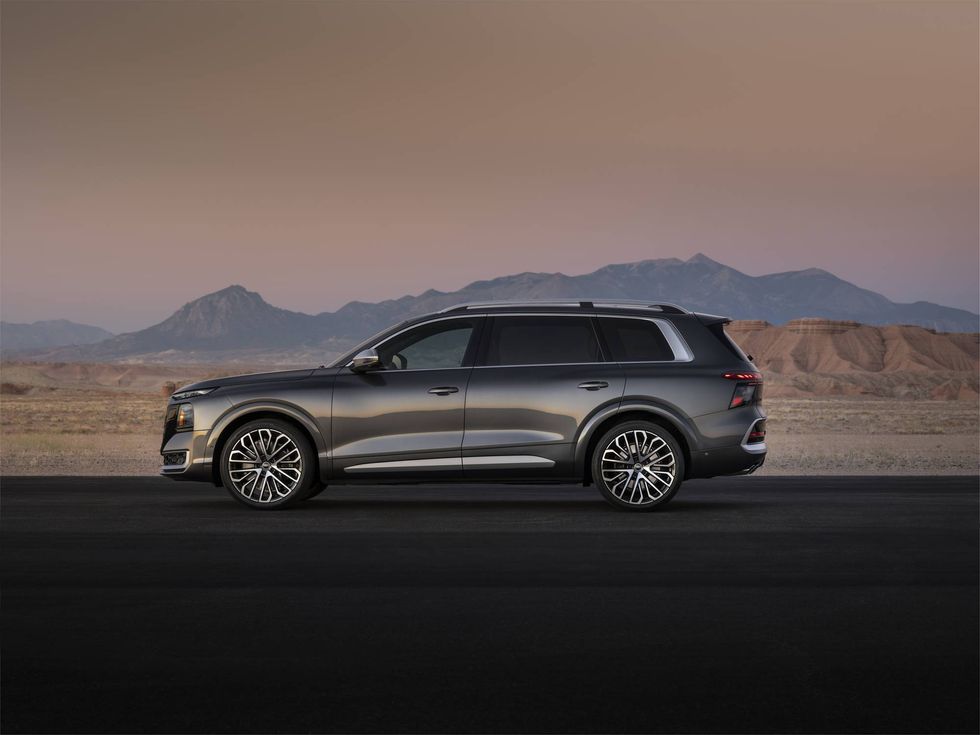
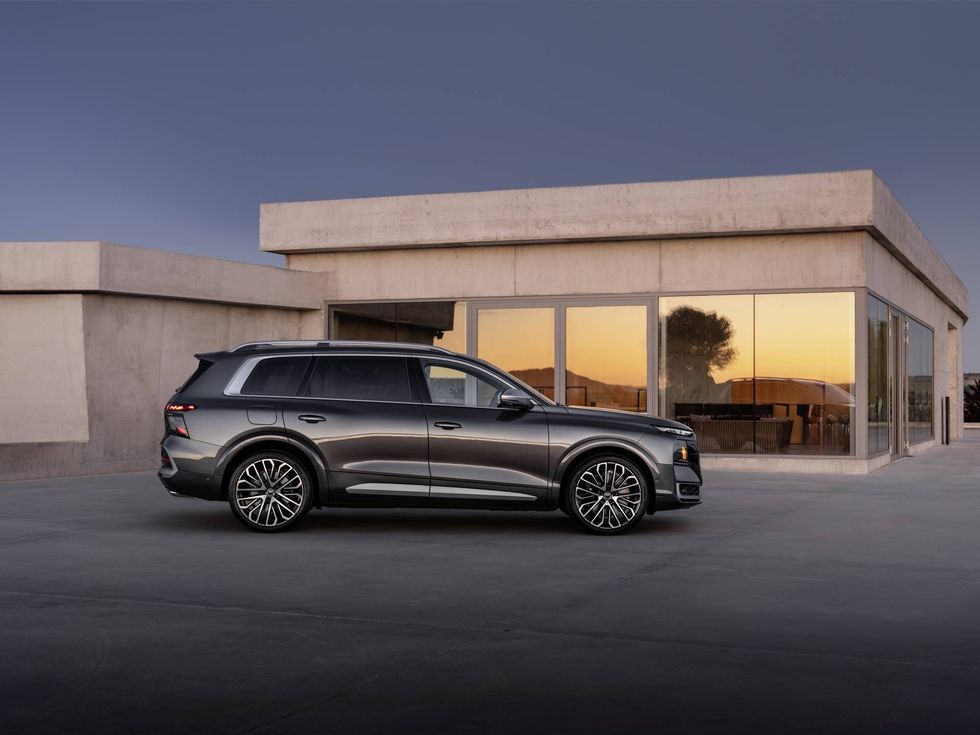
At nearly 209 inches long, the Q9 is Audi's largest SUV ever. Its design is substantial without being unnecessarily flashy, and that's part of its appeal.
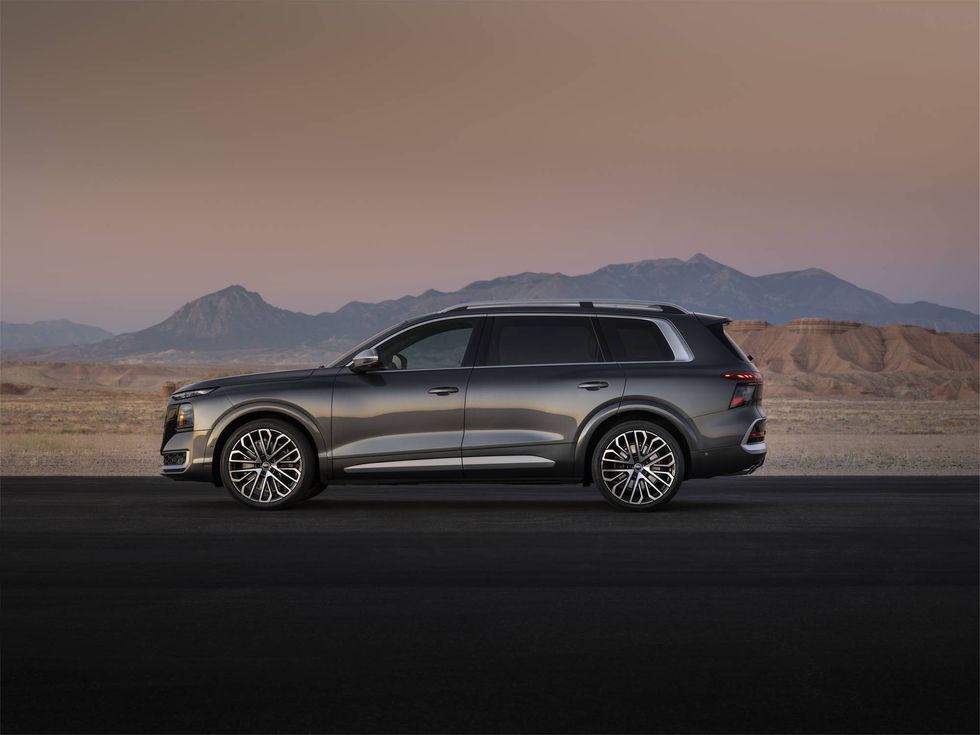 Audi of America
I particularly like the long side profile, muscular proportions, and commanding front grille. Both vehicles make a strong impression, but I prefer the Q9's sportier grille treatment, especially the vertical design elements and their illumination at night.
The design communicates luxury without feeling obligated to announce it at every opportunity.
Driving Experience: Quiet Confidence or V8 Personality?
Audi describes the Q9 as delivering effortless performance, and that's an appropriate description of what I experienced.
The standard Q9 is powered by a 2.9-liter twin-turbocharged V6 producing 429 horsepower and 442 pound-feet of torque. An eight-speed Tiptronic automatic transmission and Audi's quattro all-wheel-drive system send power to all four wheels.
Audi estimates a 4.9-second 0-60 mph sprint.
But the numbers don't tell the whole story.
What impressed me most was the vehicle's composure. The Q9 feels exceptionally solid and well assembled. Road imperfections rarely introduce unwanted vibrations or interior noise, and very little suggests you're driving something this large.
In stop-and-go traffic, the Q9 feels relaxed and manageable. On winding mountain roads, it responds confidently to steering inputs without requiring constant corrections.
I didn't have an opportunity to explore its handling limits, particularly with changing weather conditions in the higher elevations. But throughout the drive, the suspension and steering inspired confidence.
Then there's the quietness.
The Q9 delivers an almost cocoon-like experience. It's not quite the silence of an electric vehicle, but the cabin is remarkably peaceful.
For buyers who want to enjoy their drive without constant reminders of what's happening outside, this vehicle deserves serious consideration.
And with 429 horsepower available, I never found myself wishing for more.
The SQ9, however, introduces an entirely different personality.
Its 4.0-liter twin-turbocharged V8 produces 591 horsepower and 590 pound-feet of torque. Audi estimates acceleration to 60 mph in just 3.8 seconds.
The extra power is impressive, but what I enjoyed most was the exhaust note.
I didn't realize how much I missed a good V8's sound until I drove the SQ9.
There's a satisfying growl that gives the vehicle a character the quieter Q9 intentionally avoids. Now I'm torn between the V6's peaceful refinement and the V8's unmistakable personality.
The SQ9 also features a different quattro system that distributes power more aggressively to the rear wheels. An electronically controlled rear differential, staggered performance tires, and specialized suspension tuning help distinguish its driving character from the Q9.
Both vehicles offer progressive steering and adaptive air suspension, while available all-wheel steering helps these sizable SUVs maneuver more easily in tight spaces.
The result is remarkable composure for vehicles this large, along with driving dynamics that are among their most convincing selling points.
Interior Luxury: Understated May Be Better
Step inside either vehicle and Audi makes another strong argument for its new flagship SUVs.
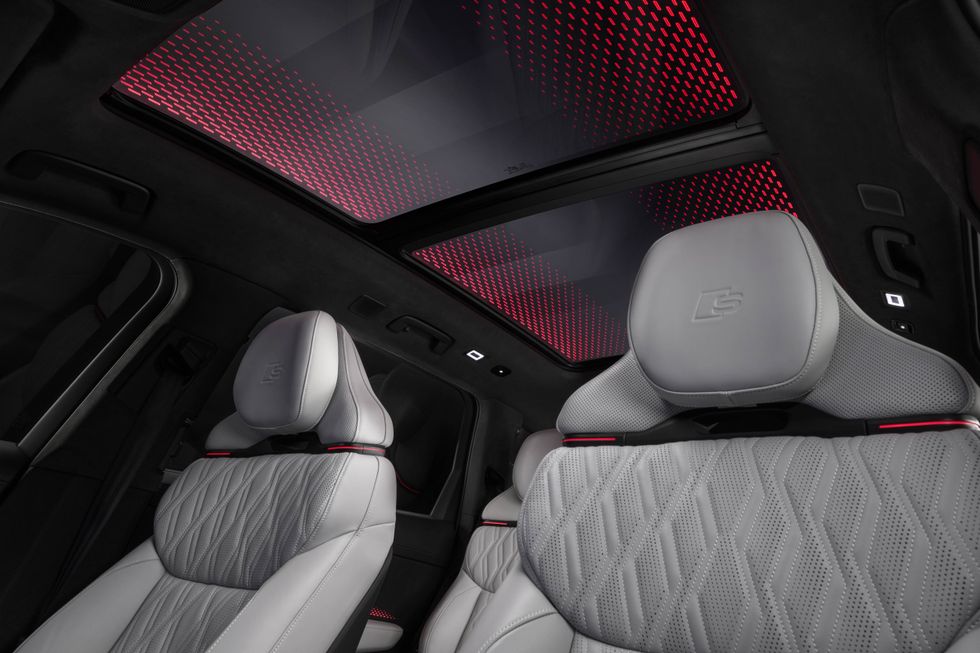
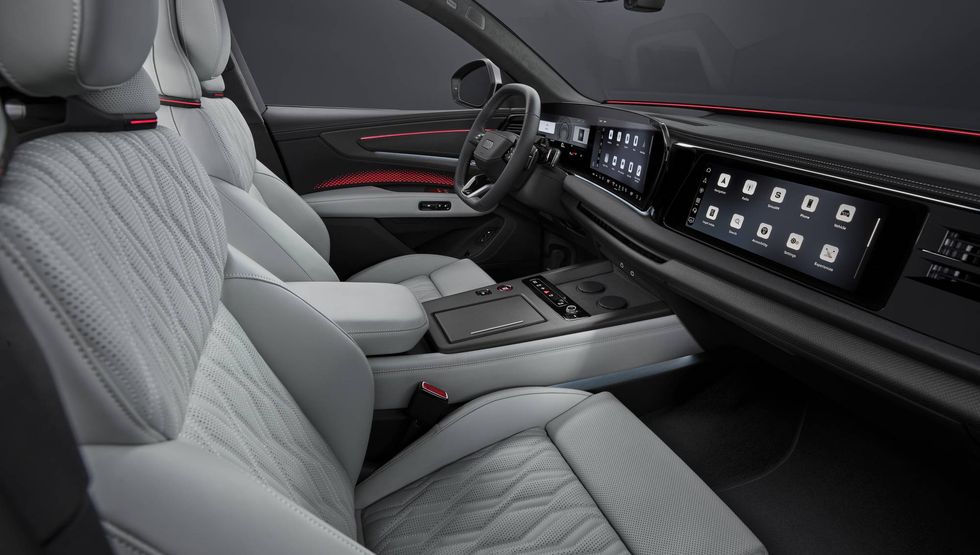
The interior design is elegant without becoming excessive. Our heavily optioned test vehicles featured premium leather, extensive soft-touch materials, beautiful stitching, and carefully selected trim finishes.
 Audi of America
The Q9's wood accents create a sophisticated atmosphere, while the SQ9's carbon fiber introduces a sportier personality.
I'm also pleased to see Audi moving away from the extensive use of glossy piano black trim.
The materials, fit and finish compare favorably with what I've experienced in competing BMW, Mercedes-Benz and Range Rover vehicles.
In fact, Audi's relatively understated approach might be one of its advantages.
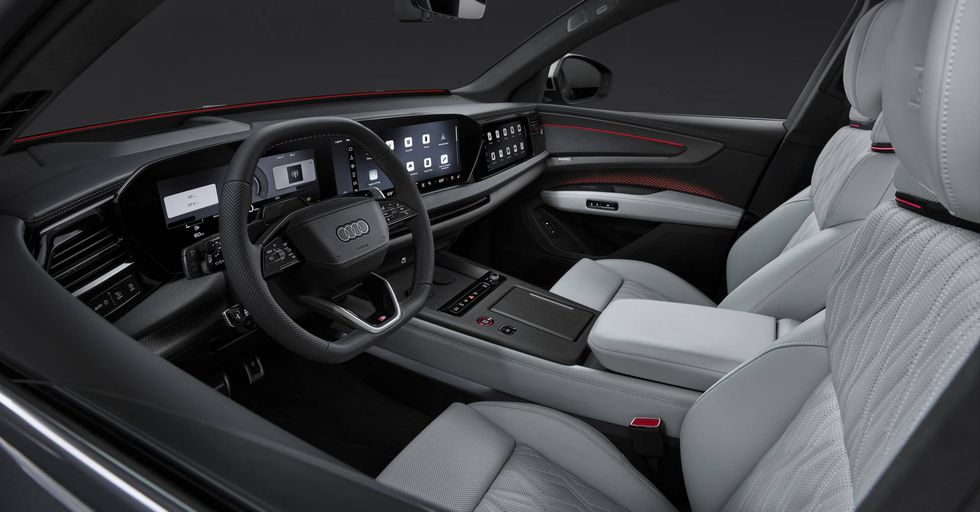
The front seats are exceptionally comfortable, and the available massage system deserves special recognition.
 Audi of America
Of the massaging seats I've experienced in recent years, this system ranks among the best. It delivers noticeable pressure across the back and seat cushion, including support underneath the thighs.
For someone who frequently spends several hours behind the wheel, that kind of comfort can make a meaningful difference.
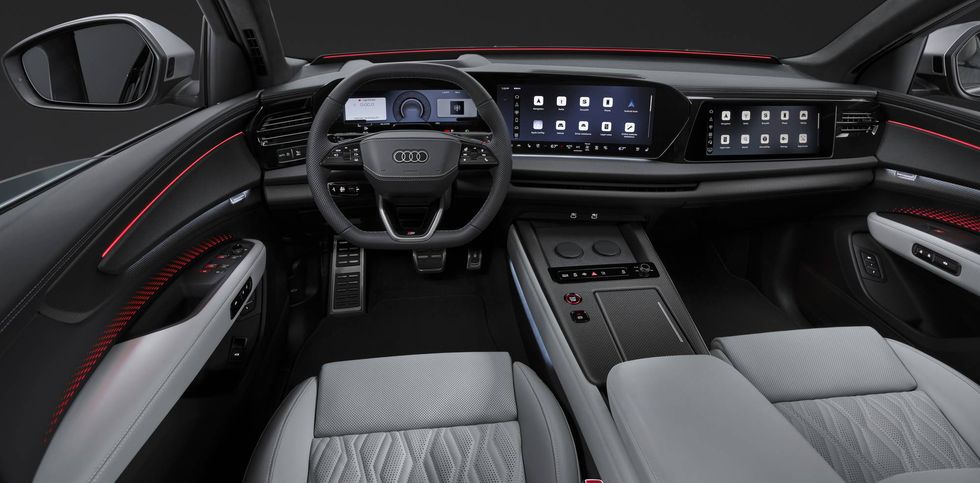
Audi also provides its Digital Stage display arrangement, including a digital instrument cluster, a 14.5-inch central touchscreen, and a 12.3-inch front-passenger display.
 Audi of America
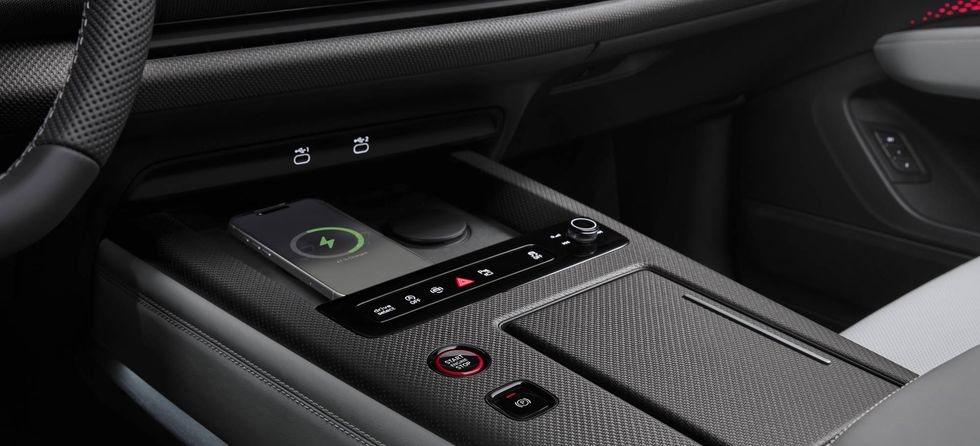
Available features include five-zone climate control, dual magnetic wireless phone charging with cooling, configurable ambient lighting, and a massive panoramic sunroof with electronically adjustable transparency.
And the available electrically operated doors add another unexpected convenience.
The driver's door can close automatically when you press the brake, and you can also operate the doors using dedicated controls. Sensors help prevent the doors from opening into detected obstacles or approaching road users.
It's a luxury feature that may sound unnecessary at first, but after using it, I can appreciate the convenience.
Second-Row Seating: A First-Class Experience
The second row may be one of the strongest reasons to consider the Q9 over its competitors.
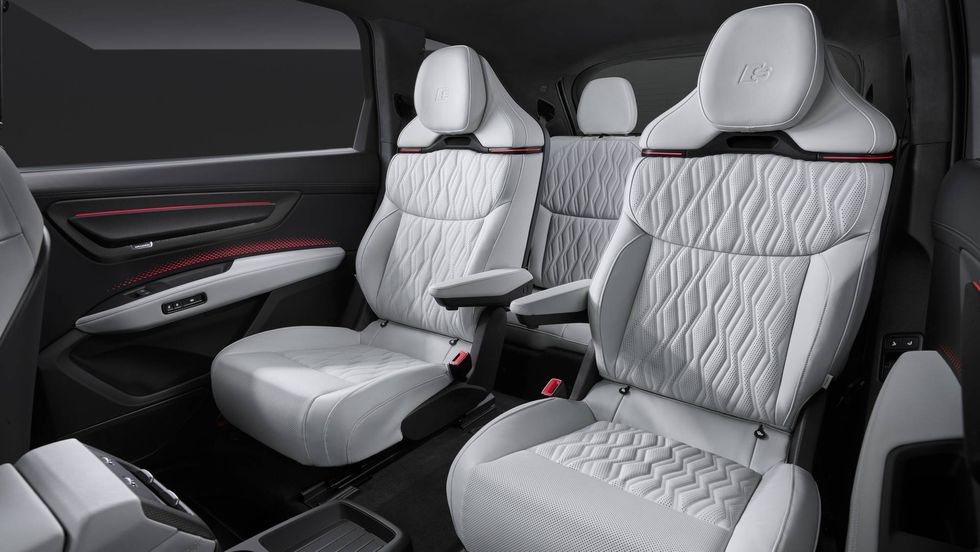
Our test vehicles were equipped with optional captain's chairs, and they're beautifully executed.
The seat design, materials, support, and available adjustments create an experience more commonly associated with a premium executive sedan.
 Audi of America
The published second-row legroom is 41.6 inches, giving passengers space to stretch out and relax.
I can easily imagine this vehicle serving an executive who frequently transports colleagues or clients with high expectations for comfort.
There's little reason to apologize for the accommodations.
The captain's-chair configuration also provides a convenient center passage to the third row, and Audi designed the second-row seats to tilt forward for additional access, even with certain unoccupied, forward-facing child seats properly installed.
That's particularly useful for families with younger children.
You can remove the second-row armrests for added flexibility.
For buyers who frequently transport adults in the second row, the Q9 makes a particularly compelling argument.
Third-Row Seating and Cargo: Know Your Priorities
The third row deserves a more measured assessment.
I could sit comfortably enough for a short ride, but I wouldn't choose that seat for a long road trip.
The seat cushion sits relatively low, which affects leg positioning for taller passengers.
For children and younger passengers, however, the accommodations should be perfectly reasonable.
Audi also provides useful features back there, including charging ports, climate vents, and large windows that maintain good outward visibility.
You don't feel isolated from the rest of the cabin.
But buyers who routinely carry six or seven adults should carefully compare the third-row measurements.
The Q9 provides approximately 29.1 inches of third-row legroom, compared with 33.3 inches in the BMW X7 and 34.6 inches in the Mercedes-Benz GLS.
That's a meaningful advantage for both German competitors.
Audi responds with cargo space behind the third row.
The Q9 provides 19.3 cubic feet, compared with 12.8 cubic feet in the BMW X7 and 17.4 cubic feet in the Mercedes-Benz GLS.
For families traveling with luggage while all three rows remain occupied, that additional space can make a difference.
The seven-passenger Q9 offers up to 87.7 cubic feet with both rear rows folded. However, buyers should note that the optional captain's chairs don't fold completely flat, which limits maximum cargo flexibility.
This creates an important buying decision.
For a family of four that occasionally needs additional seating, I'd give the Q9 serious consideration. The combination of second-row comfort, cargo space, and driving dynamics is particularly appealing.
For families regularly transporting adults in every seat, the GLS and X7 deserve a closer look.
Technology: More Than a Light Show
Audi has incorporated remarkable lighting technology into the Q9 and SQ9, and the nighttime demonstration was a highlight of my experience.
The available Digital Matrix LED headlights use individually controlled lighting elements to direct illumination where it's needed while reducing light projected toward other vehicles.
The system is designed to improve the driver's view without unnecessarily blinding approaching motorists or reflecting excessive glare into the mirrors of vehicles traveling ahead.
That's technology I can appreciate.
The advanced turn signals are another standout feature. They project directional indicators onto the pavement, making the driver's intentions more visible to nearby pedestrians, cyclists, and motorists.
Available curved digital OLED taillights can also display different lighting signatures and certain warning symbols.
While the interior ambient lighting is primarily about atmosphere, much of the exterior lighting serves a practical purpose.
And I think Audi has done an excellent job combining the two.
The available Bang & Olufsen 4D sound system is equally impressive.
With 22 speakers, 1,360 watts of power, and two seat actuators that let occupants physically feel low-frequency sound, it delivers one of the most engaging automotive audio experiences I've encountered.
My driving partner wasn't particularly fond of feeling the bass through his seat. Fortunately, you can adjust or deactivate that feature.
I loved it.
The music's clarity, separation, and richness are exceptional, and the system can turn a long highway trip into an experience in itself.
Audi also offers Adaptive Cruise Assist Plus with hands-free highway driving.
This Level 2 system can assist with steering, acceleration, and braking on approved highways but still requires continuous driver attention.
In my experience, it works well, although I don't find it quite as polished as General Motors' Super Cruise or Ford's BlueCruise.
Still, it's a welcome feature for longer trips.
Where Audi Still Has Room to Improve
Despite the impressive technology, I'd reconsider a few decisions.
My biggest frustration is that simple adjustments require navigating the touchscreen.
Changing the airflow direction from the dashboard vents should be as simple as reaching for a physical control. Instead, the Audi makes you interact with the infotainment system.
The adjustable seat cushion extension creates a similar issue.
Yes, you can save the preferred position in a driver profile. But on a long trip, repositioning the seat shouldn't require navigating through menus.
I also found the smaller controls integrated into the multifunction stalk somewhat confusing initially, particularly the various windshield wiper functions.
Owners will probably become accustomed to these arrangements, but they're examples of technology introducing unnecessary complexity into otherwise straightforward tasks.
When you're paying this much for a vehicle, ease of operation should matter as much as the number of features.
Fuel Economy, Towing and Ownership Costs
Audi rates both the Q9 and SQ9 to tow up to 7,700 pounds when properly equipped.
That matches the maximum rating published for the Mercedes-Benz GLS and slightly exceeds the BMW X7's available 7,500-pound capacity.
Of course, buyers should consider trailer equipment, passengers, payload, and the specific vehicle configuration before deciding to tow.
Audi did not provide certified EPA fuel-economy ratings in the materials accompanying this first drive. Until official figures are confirmed, fuel costs remain an important unanswered ownership question, particularly for the V8-powered SQ9.
And for anyone considering the optional 23-inch performance tires, replacement costs and seasonal suitability deserve attention.
Audi includes three years or 30,000 miles of scheduled maintenance through Audi Signature Care. Some connected services also include trial periods, but certain features may require paid subscriptions afterward.
Buyers should review those ongoing expenses rather than concentrating solely on the purchase price.
How Does the Q9 Compare With the BMW X7 and Mercedes-Benz GLS?
The BMW X7 and Mercedes-Benz GLS remain established choices in this segment, and both have meaningful strengths.
The X7 delivers the familiar BMW driving experience, a luxurious interior, and, on paper, a more accommodating third row than the Q9.
The Mercedes-Benz GLS emphasizes passenger comfort, especially for buyers who frequently use all three rows. Its refreshed 2027 model also introduces updated powertrains, advanced lighting, and a redesigned digital interface.
But Audi has several advantages worth considering.
The Q9's standard 429-horsepower engine exceeds the output of both the X7 xDrive40i and GLS 450, which each produce 375 horsepower.
Audi also claims quicker acceleration.
Meanwhile, the SQ9's 591-horsepower V8 exceeds the BMW X7 M60i's 523 horsepower and the Mercedes-Benz GLS 580's 530 horsepower.
The Audi also offers more cargo room behind the third row than either competitor.
And after driving the Q9 and SQ9 through Utah, I came away particularly impressed by how solid and confident they felt in a variety of driving situations.
I haven't conducted a controlled back-to-back comparison of all three 2027 models, so I won't declare the Audi an outright winner in every category.
But I will say this: BMW should be paying attention, and Mercedes-Benz has a serious new challenger.
The AutoNsider Buyer's Guide
2027 Audi Q9 and SQ9 Trim-Level Pricing
| Model | Starting MSRP | With $1,395 Destination | Best for |
| Q9 Premium | $87,700 | $89,095 | Buyers wanting flagship luxury and V6 performance without extensive options |
| Q9 Premium Plus | $93,300 | $94,695 | Buyers looking for a balance of comfort, convenience, and advanced technology |
| Q9 Prestige | $102,400 | $103,795 | Buyers wanting the more comprehensive luxury and technology experience |
| SQ9 | $118,000 | $119,395 | Buyers who value V8 performance, sportier dynamics, and flagship appointments |
Prices exclude optional equipment, taxes, and dealer charges.
The Vehicles Tested
2027 Audi Q9 quattro Prestige
- Exterior: Waitomo Blue Metallic
- Interior: Tamarind Brown leather
- Engine: 2.9-liter twin-turbo V6
- Output: 429 horsepower and 442 pound-feet
- Transmission: Eight-speed Tiptronic automatic
- Drivetrain: quattro AWD
- Seating: Six passengers with optional captain's chairs
- Options included: Prestige equipment, Black Optic Package, Luxury Package, captain's chairs, and trailer hitch.
- As-tested price: $110,095, including destination
2027 Audi SQ9
- Exterior: Daytona Grey Pearl
- Interior: Pastel Silver leather
- Engine: 4.0-liter twin-turbo V8
- Output: 591 horsepower and 590 pound-feet
- Transmission: Eight-speed Tiptronic automatic
- Drivetrain: Rear-biased quattro AWD
- Seating: Six passengers with optional captain's chairs
- Options included: 23-inch wheel package, Bang & Olufsen 4D Sound, Luxury Package and captain's chairs
- As-tested price: $128,045, including destination
Both test vehicles were preproduction examples, and final production equipment may vary.
Audi Q9 vs. BMW X7 vs. Mercedes-Benz GLS: At a Glance
| Specification | Audi Q9 | BMW X7 xDrive40i | Mercedes GLS 450 |
| Starting MSRP | $87,700 | $87,500 | $93,950 |
| Horsepower | 429 | 375 | 375 |
| Torque (lb-ft) | 442 | 398 | 413 |
| Manufacturer 0–60 mph estimate | 4.9 sec | 5.6 sec | 5.4 sec |
| Second-row legroom | 41.6 in | 37.6 in | 41.9 in |
| Third-row legroom | 29.1 in | 33.3 in | 34.6 in |
| Cargo behind third row | 19.3 cu ft | 12.8 cu ft | 17.4 cu ft |
| Maximum towing | 7,700 lb | 7,500 lb | 7,700 lb |
Figures are manufacturer specifications or published manufacturer estimates, not results from a controlled AutoNsider comparison test. Prices exclude destination and options. Towing requires appropriate equipment.
Performance Models Compared
| Model | Starting MSRP | Horsepower | Manufacturer 0–60 mph estimate |
| Audi SQ9 | $118,000 | 591 hp | 3.8 sec |
| BMW X7 M60i | $115,000 | 523 hp | 4.5 sec |
| Mercedes-Benz GLS 580 | $120,950 | 530 hp | 4.6 sec |
Which Audi Should You Buy?
Best starting point for value: Q9 Premium
The standard V6 provides more than enough performance for typical luxury SUV driving. Buyers who don't need the highest levels of technology or interior customization can avoid a substantial price jump.
Best balance of luxury and value: Q9 Premium Plus
This is where I'd begin configuring a Q9 for my own needs. It offers an opportunity to add the comfort and convenience features that matter most without automatically moving to the highest-priced Q9.
Best for executive comfort: Q9 Prestige
For buyers who regularly transport clients, colleagues, or family members who appreciate premium accommodations, the Prestige deserves attention. Enhanced seating, available luxury materials, driver-assistance technology, and advanced lighting make this the most complete Q9 experience.
Best for performance enthusiasts: SQ9
The SQ9 isn't necessary to get adequate acceleration. The V6 already delivers that.
Instead, the SQ9 is for buyers who appreciate a powerful V8, a distinctive exhaust note, and more performance-focused driving dynamics.
And for those buyers, I understand the appeal.
Buyer Alert: Three Things to Consider Before Ordering
First, choose your seating configuration carefully. The standard seven-passenger arrangement provides greater cargo flexibility. The optional captain's chairs improve the second-row experience but don't fold completely flat.
Second, verify the equipment on the actual vehicle. Features such as automatic doors, advanced lighting, 4D audio, massage seats, and hands-free highway assistance depend on model and configuration. The highly equipped media vehicles shouldn't be mistaken for base models.
Third, consider the full ownership experience. Large performance tires, premium fuel, insurance, connected-service subscriptions, and out-of-warranty repairs may influence the financial decision long after the excitement of a test drive has passed.
Dealer Secret: Compare Equipment, Not Just MSRP
A base Q9 and a heavily optioned BMW X7 or Mercedes-Benz GLS may have considerably different equipment even when their advertised prices appear competitive.
Ask each dealer for a written, itemized out-the-door quote, and compare the actual seating configuration, driver-assistance systems, premium audio, suspension technology, wheel sizes, and included maintenance.
And before buying, have every regular passenger sit in the second and third rows.
A luxury SUV should fit the people who will use it, not just impress the person signing the paperwork.
The AutoNsider Verdict
Audi has delivered an exceptionally impressive first effort in the full-size, three-row luxury SUV category.
The Q9 combines refinement, impressive road manners, beautiful interior appointments, and genuinely useful technology in a package that makes sense for a family seeking a premium transportation experience.
The SQ9 takes those same strengths and adds a level of performance and personality that makes it considerably more entertaining.
For a family of four that occasionally transports additional passengers, I'd give the Q9 serious consideration, even against some traditional full-size SUVs with greater outright capacity.
The BMW X7 remains a formidable competitor, and the Mercedes-Benz GLS continues to offer substantial luxury and third-row accommodations.
But neither can afford to ignore Audi's newest flagship.
I recommend the Q9 for buyers who value comfort, refinement, and effortless performance. I'd choose the SQ9 when the driving experience and the sound of a V8 are priorities.
The only significant criticism I came away with involves Audi's insistence on placing certain routine adjustments inside touchscreen menus.
Otherwise, these vehicles left me wanting very little more.
One for the Road
The best luxury vehicles don't constantly remind their occupants how much engineering went into building them. They make the experience feel effortless.
And after spending time in both, I'm not sure which one I'd rather take home.
The Q9's quiet sophistication is nearly irresistible.
But then there's that SQ9 exhaust note.
Sometimes a little unnecessary horsepower is exactly what makes a vehicle memorable.
2027 Audi Q9 and SQ9
Audi of America