

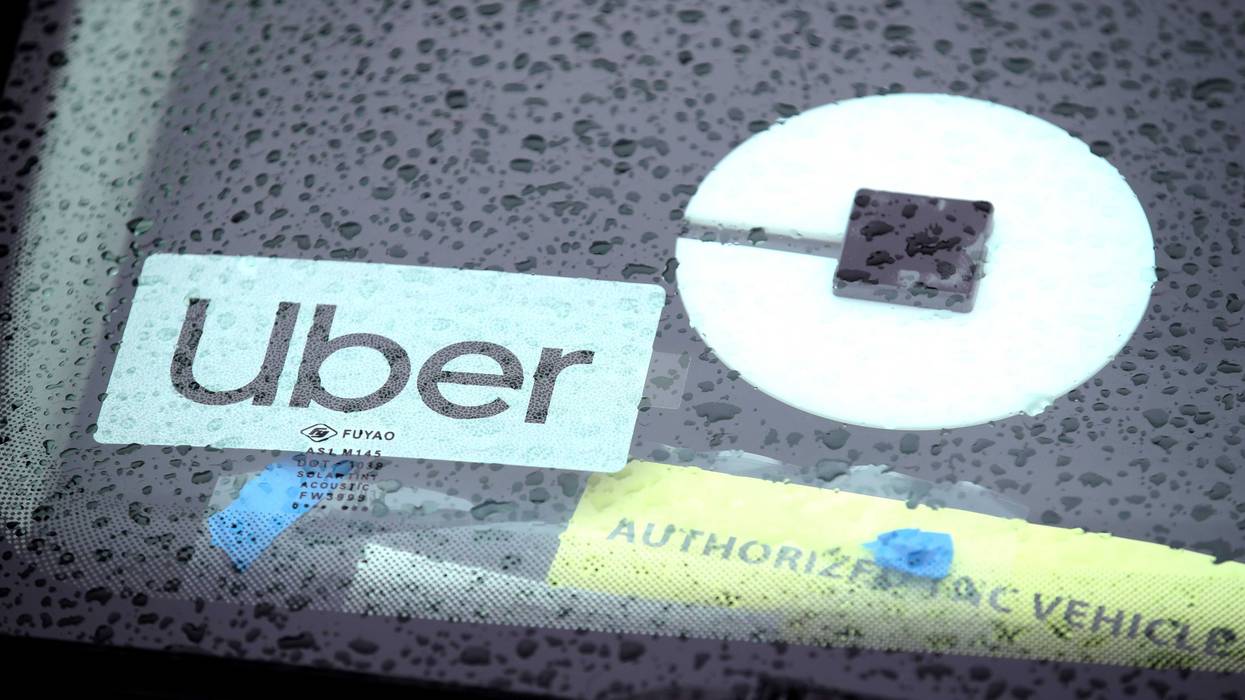

CHICAGO (WBBM NEWSRADIO) -- Expect to pay more for your Uber and Lyft rides in the city of Chicago.
A new tax on rideshare services went into effect Monday morning, hoping to ease congestion in the downtown area.
The new tax is part of Mayor Lori Lightfoot's 2020 budget, which passed City Council in November. She proposed the tax increase back in October in an effort to ease downtown traffic congestion and incentivize use of public transportation or shared rides. The city is launching a hashtag "Choose Shared" campaign to inform people.
According to the Mayor's office, congestion in the downtown area has "skyrocketed in recent years, and where more than 25,000 trips occur during weekday morning rush hour alone. By making downtown trips more expensive during key congestion periods (6 a.m. - 10 p.m.) and for single rider trips, the city is aiming to free up gridlock on downtown roadways and incentivize the use of alternative transit options where they are accessible."
The city is hoping the increase in the transportation tax on rideshares will generate $40 million.
On weekdays, from 6 a.m. to 10 p.m., the downtown (areas including Loop, River North and a portion of the West Loop) tax for using rideshares jumps from 72-cents to $1.75 for single riders and $1.25 for pool riders. The boundary streets include: Lake Shore Drive, Roosevelt Road, Desplaines Street, Van Buren Street, Ashland Avenue, Grand Street, North Branch Canal, North Avenue.
For the rest of the city, the tax goes up to $1.25. The tax for taking a pool ride is less.
The city said Uber and Lyft trips are the cause for a lot of congestion downtown during the work week, with a lot of single-person rides from downtown and ride-hailing drivers idling downtown waiting for the next ride. The Mayor said these situations add to the already congested streets, make it difficult for downtown buses, and cause pollution.
"We don't have a rush hour. We have a rush day," Lightfoot told the Chicago Tribune during an editorial board interview. "It's a challenge for mobility, it's a challenge for pollution, it's a challenge for the stress on our infrastructure."
Meanwhile, the city said a majority of rideshare passengers on city's South and West sides will see their rideshare rates decrease, due to the majority of users hailing to and from the neighborhoods rely upon shared versus single rider trips.
Lyft said the city does not understand what causes traffic congestion and that now, Chicago has the highest rideshare taxes in the country.
FULL STATEMENT FROM LYFT
"The Mayor's proposal shows a total misunderstanding of what causes congestion and how Chicagoans are moving around the city. By adding on to the highest fees in the nation to rideshare, the Mayor is clearly backtracking on her campaign commitments to not increase fees that hurt low-income Chicagoans most. Lyft will strongly oppose fees that reduce affordability and reliability while doing nothing to improve mobility."FULL STATEMENT FROM UBER
"The Mayor's proposal amounts to by far the highest ridesharing fee in the country and will take money out of the pockets of riders, who rely on apps to get around, and of drivers -- half of whom live in the south and west sides of the city. As a candidate, the Mayor said she was committed to equity, yet she is proposing to hike taxes by nearly 80% on underserved communities who do not contribute to congestion and lack reliable access to transportation."
BREAKING DOWN THE NEW CONGESTION TAX
Citywide single
- Current: 72 cents
- New tax: $1.25
- Difference: +53 cents
Citywide shared
- Current: 72 cents
- New tax: 65 cents
- Difference: -7 cents
Downtown zone single
- Current: 72 cents
- New tax: $1.75
- Difference: +$1.03
Downtown zone shared
- Current: 72 cents
- News tax: $1.25
- Difference: +53 cents
Airports, Navy Pier, McCormick Place
- Current: $5
- Proposed: $5
- Difference: Same
CITY OF CHICAGO CONGESTION REPORT HIGHLIGHTS
- Between 2015 and 2018, the annual number of TNP* trips in Chicago has grown 271 percent, and the TNP miles traveled with passengers have increased 344%. *TNP stands for Transportation Network Partners, their term for ridesharing companies.
- Half of all trips citywide begin or end in the downtown area, and nearly a third of those trips both start and end in the downtown area.
- TNP trips in the downtown area on weekdays between 6 a.m. and 10 p.m. increased 309% between 2015 and 2018.
- Approximately 26 miles of road space is occupied in the downtown area by TNPs during a typical evening rush period
- TNP trips are a significant contributing factor to CTA ridership loss.
- The influx of TNP trips during rush periods in the downtown area are a substantial factor impacting CTA bus speeds."
Read the full report below: