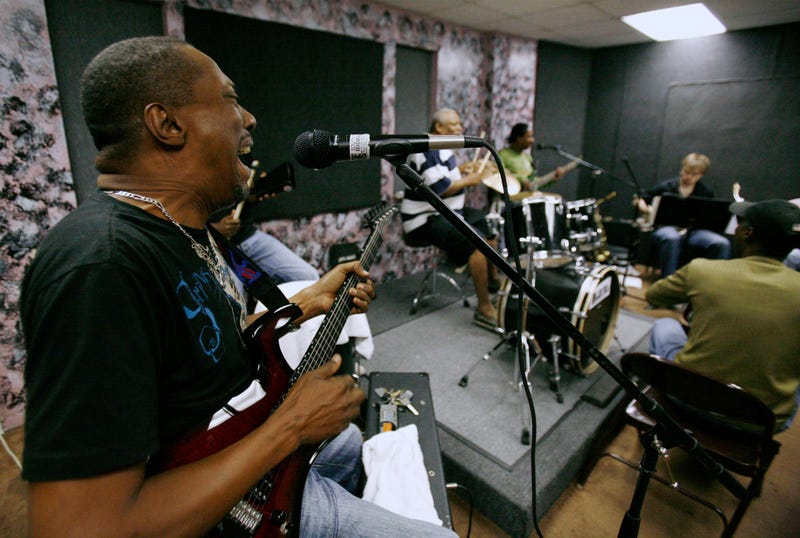
PORT-AU-PRINCE, Haiti (AP) — Compas, a beloved Haitian music and dance genre inspired by merengue and infused with percussion, made UNESCO’s cultural heritage list on Wednesday.
The syncopated rhythm, created in the 1950s, wafts from bars, bedrooms and businesses across Haiti, lifting spirits and providing solace from the country’s grinding poverty and soaring gang violence.
On the night of Nov. 18, when Haiti classified for the World Cup for the first time since 1974, compas music accompanied a cheering crowd jogging through the streets of Port-au-Prince and dancing in their homes.
Dominique Dupuy, Haiti’s former foreign affairs minister, called the inclusion of compas on UNESCO’s list “an ode to joy.”
“In these dark times our country is experiencing, we continue to usher in this new year, already lost for our youth, with a glimmer of hope,” she wrote on social platform X.
UNESCO also recognized the Cuban Son, noting that its “lyrics are drawn from daily life, which are passed down orally.”
A rhythm ‘that brings the dawn with gusto’
In its praise for compas, UNESCO said the music “brings together people of all ages, genders and backgrounds.”
Compas, also known as konpa or kompa in Haitian Creole, incorporates the Haitian drum known as tanbou, congas, electric guitars and trumpets, among other instruments.
UNESCO said the music “holds deep cultural significance” and often touches on themes including love, freedom, peace and resistance.
At KOTR, a compas dance studio in Miami, owner Sony Laventure celebrated the news. He considers compas his therapy.
“This allows me to step away, it allows me to be free from all things,” he said.
Laventure just got back from a trip to Kenya, where he taught instructors how to properly dance compas, and he’s leaving soon for Paris to share his knowledge.
“My dad was a musician, so we always grew up listening to konpa,” he said, recalling how his mother loved to dance to it.
His favorite song is “Serenade des Melomanes,” which is sung in Spanish, French and Haitian Creole. When he plays it, it reminds him of his father, who passed away.
Dupuy noted that UNESCO already has recognized Haiti’s famed joumou, or pumpkin soup, along with cassava, and that the inclusion of compas “reaffirms our unwavering commitment to love, the joy of living and freedom of expression: this rhythm that brings the dawn with gusto, against all odds.”
‘It makes me feel good’
From Coupé Cloué to Carimi, compas still reigns supreme in Haiti 70 years after its creation.
Stevens Charles, a 35-year-old accountant, recalled how his father loved playing music by legendary bands Shleu-Shleu and Tabou Combo.
“This is the type of vibe that I grew up listening to,” he said. “When you dance with a woman, you really don’t have to move, you can just stand still and hold the woman to your body and close your eyes.”
Charles used to go out and listen to live compas bands, but, “now that we’re a country that’s under siege by gangs, nightlife has diminished.”
He rarely goes out for fear of being killed, but he still listens to the music at home.
Haitians including Judeny Maurancy said they were proud that compas was recognized by UNESCO.
“It makes me feel good that we have music that is spreading, that people are enjoying in other parts of the world,” she said.
The 25-year-old elementary school teacher said she listens to both old and new compas.
“I’m not a great dancer, but I do go out and dance sometimes,” she said. “I like to listen to it more. It gives me a vibe that I enjoy.”
A nightly serenade
Haitians across the world celebrated as the news about compas’ recognition began to spread on Wednesday.
Etienne Charles, a professor of studio music and jazz at the Frost School of Music at the University of Miami, said he wasn’t surprised.
The music has become extremely popular in places including West Africa, where it's played in Cape Verde, Benin, Togo and Senegal, he said.
“It has a wide reach. The beat is infectious,” he said. “The songs always include really great arrangements and improvisation.”
Charles composed the score for “Jazz Island,” which premiered Friday at New York City’s Alvin Ailey American Dance Theater and is based on a book by Geoffrey Holder. The last movement of the ballet sees two lovers connecting and dancing to compas.
The dance will be playing daily at the renowned theater for a month.
“They’re going to be hearing compas every night,” Charles said with a gleeful laugh.
___
Coto reported from San Juan, Puerto Rico.