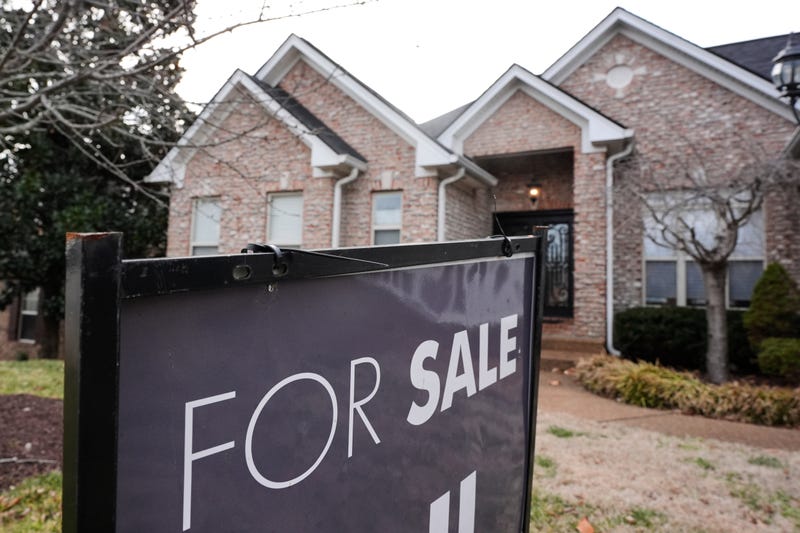
The average long-term U.S. mortgage rate climbed this week to its highest level in more than three months, a setback for prospective home shoppers this spring homebuying season.
The benchmark 30-year fixed rate mortgage rate rose to 6.22% from 6.11% last week, mortgage buyer Freddie Mac said Thursday. One year ago, the rate averaged 6.67%.
When mortgage rates rise, they can add hundreds of dollars a month in costs for home shoppers, limiting what they can afford to buy.
Only three weeks ago, the average rate had dropped to just under 6% for the first time since late 2022, but it has risen every week since the war with Iran started, rattling financial markets and stoking worries about higher inflation due to a spike in energy prices.
Meanwhile, borrowing costs on 15-year fixed-rate mortgages, popular with homeowners refinancing their home loans, also rose this week. That average rate inched up to 5.54% from 5.5% last week. A year ago, it was at 5.83%, Freddie Mac said.
Mortgage rates are influenced by several factors, from the Federal Reserve’s interest rate policy decisions to bond market investors’ expectations for the economy and inflation. They generally follow the trajectory of the 10-year Treasury yield, which lenders use as a guide to pricing home loans.
The 10-year Treasury yield was at 4.27% at midday Thursday, up from around 4.13% a week ago.
Treasury yields have been climbing as rising oil prices increase expectations for higher inflation. As long-term bond yields rise, that pushes up mortgage rates.
Higher inflation could also keep the Fed from cutting interest rates. The central bank doesn’t set mortgage rates, but its decisions to raise or lower its short-term rate are watched closely by bond investors and can ultimately affect the yield on 10-year Treasurys that influence mortgage rates.
At its latest meeting Wednesday, the Fed decided to hold off on cutting interest rates. Chair Jerome Powell highlighted the increasingly uncertain outlook for the U.S. economy and inflation in the wake of the Iran war, suggesting the Fed could stand pat for an extended period.
The U.S. housing market remains in a slump dating back to 2022, when mortgage rates began to climb from pandemic-era lows.
Sales of previously occupied U.S. homes have been hovering close to a 4-million annual pace now going back to 2023 — well short of the 5.2-million annual pace that’s historically been the norm. They sank last year to a 30-year low and have remained sluggish so far this year, falling short of their year-earlier pace in January and February even as mortgage rates are lower than they were a year ago.
Data on home contract signings in February, a bellwether for future completed sales, was mixed last month.
A seasonally adjusted index of pending U.S. home sales rose 1.8% in February from the previous month, but fell 0.8% from a year earlier, the National Association of Realtors said Tuesday. There’s usually a month or two lag between a contract signing and when a sale is finalized.
Meanwhile, sales of newly built homes slumped nearly 18% in January from the previous month and were down 11.3% from January last year, the U.S. Census Bureau said Thursday.
The average rate on a 30-year mortgage remains below where it was a year ago, which should benefit home shoppers who can afford to buy at current rates.
Still, the recent reversal in mortgage rates has clouded the spring homebuying season, traditionally the year’s busiest period for the housing market.
Already, there are signs that the pickup in rates may be discouraging some prospective home shoppers, as well as homeowners looking to refinance their existing home loan to a lower interest rate.
Mortgage applications fell nearly 11% last week from the previous week, pulled lower mainly by a sharp drop in home loan refinancing applications, according to the Mortgage Bankers Association. Loan applications to buy a home remain ahead of last year’s pace, MBA noted.
“As rates approached multiyear lows, buyer interest began to show signs of life, but sustained momentum depends on more than just borrowing costs,” Anthony Smith, senior economist at Realtor.com, wrote in an email. “Elevated uncertainty could once again sideline both buyers and sellers, echoing the hesitant market conditions seen last year.”