



LONDON (AP) — Britain is set to ban goods from Israeli settlements in the occupied West Bank in response to an expansion program that is imperiling efforts to establish a Palestinian state, the U.K. government said Tuesday.
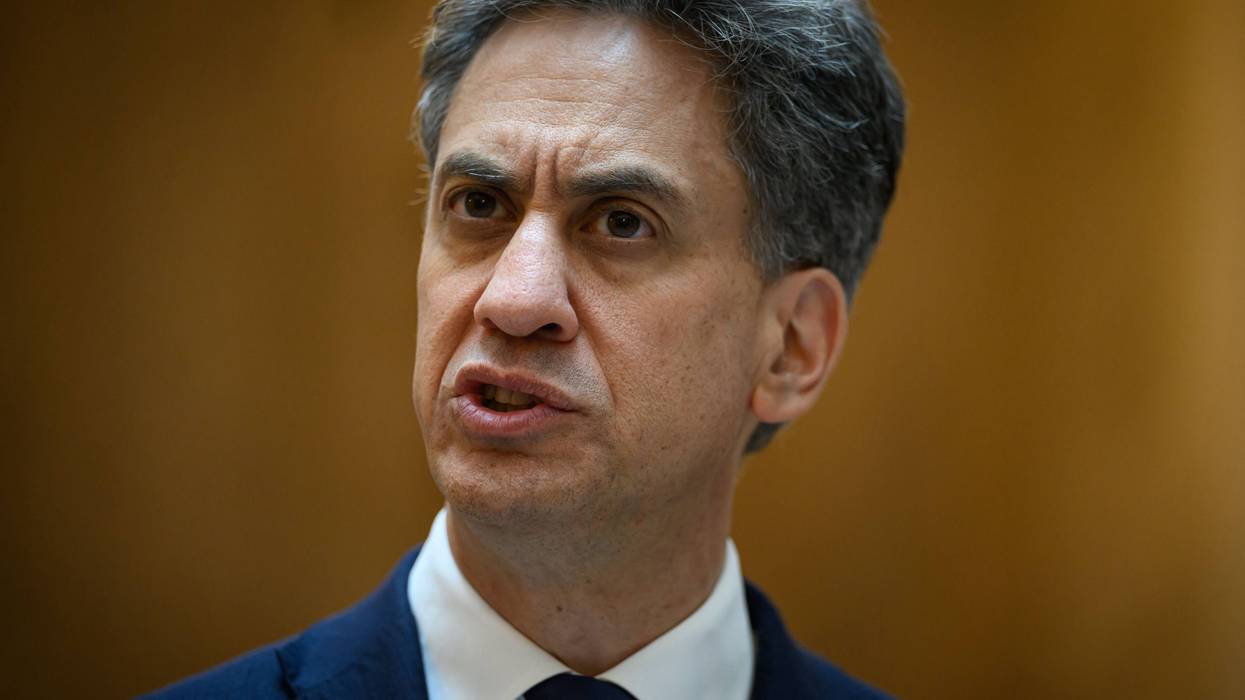
Foreign Secretary Ed Miliband is due to give details in the House of Commons later, after saying last week that he would “reset” U.K. relations with Israel.
Before the announcement, Work and Pensions Secretary Pat McFadden said that it “isn’t intended to be a boycott of all Israeli goods.”
He said that the measures were “specifically targeted at the expansion of these settlements, which are illegal under international law, in the West Bank.”
“At the heart of the statement is the idea that the U.K., along with many other countries, do not want to see the possibility of a two-state solution in Israel and Palestine being erased by changes to the facts on the ground,” McFadden told Times Radio.
The government of Israeli Prime Minister Benjamin Netanyahu is the most ultranationalist and religious in Israel’s history. It has presided over a surge of settlement construction in the West Bank, which Israel seized in the 1967 Mideast war and which would make up the main part of a future Palestinian state.
Netanyahu's government views the West Bank as the biblical and historical homeland of the Jewish people and is opposed to the creation of a Palestinian state.
The United Kingdom, a longtime ally of Israel, recognized Palestinian statehood last year in an attempt to revive dwindling efforts to achieve a two-state solution.
The center-left Labour Party government has previously sanctioned some Israeli settlers and illegal outposts over violence against Palestinians and illegal development in the West Bank. Tuesday's announcement is set to expand sanctions to cover trade in goods, and possibly some services, with all West Bank settlements.
U.K. Prime Minister Andy Burnham has voiced concerns about the E1 settlement project approved by Israel, which would effectively cut the territory in two. Palestinians and rights groups say it could destroy hopes for a future Palestinian state.
A tougher line on settlements is likely to be welcomed by many Labour voters and lawmakers, who have urged the government to go further in sanctioning Israel and supporting the Palestinians.
But some expressed concern that the move could boost support for Netanyahu, who is facing a tough battle for reelection in October.
Senior Israeli ministers condemned the U.K. government’s impending announcement. Foreign Minister Gideon Saar warned that “if Britain acts against Israel, Israel will act against Britain.”
Itamar Ben-Gvir, Israel’s hard-line public security minister, called on Netanyahu to recognize Argentina’s claim to the Falkland Islands, a British overseas territory in the South Atlantic known in Argentina as Islas Malvinas.
The move also was criticized by the U.S. ambassador to Israel, Mike Huckabee, who said that it was “discrimination against the Jewish people.” He said that the U.K. could face “repercussions or retaliations” from the U.S. if it imposed the sanctions.
Several U.S. states have laws banning contracts or investments with businesses that boycott Israeli firms, including those based in the West Bank. U.S. Rep. Randy Fines, R-Fla., said in a post on social media that the U.K. ban could put at risk “billions of dollars” in trade between British businesses and Florida.
Burnham’s office said that the prime minister spoke to U.S. President Donald Trump on Monday and set out “the U.K.’s commitment to working toward peace and security in the region” and achieving a two-state solution. There was no word on how Trump responded.
—-
Megan Mineiro contributed to this report from Jerusalem.