



CHICAGO (WBBM NEWSRADIO) If it feels like mosquitoes are especially relentless around Chicago this summer, even biting in broad daylight, there may be a reason. The North Shore Mosquito Abatement District has seen a 71% increase in biting-mosquito complaints compared with last year, from about 70 to 120, Executive Director Mark Clifton told WBBM Newsradio.
The increase can also be seen in the district's publicly available service-request dashboard, which tracks mosquito complaints and other requests over time. The district uses those reports to identify problem areas and help prioritize inspections and treatments.
Clifton said the increase is likely being driven largely by the Asian tiger mosquito, or Aedes albopictus, an invasive species that has become increasingly common around Chicago over the past five to eight years. The mosquito isn't entirely new here. Illinois Natural History Survey researchers documented it in Cook County as early as 1987, though no additional Cook County sightings were reported until 2016.
One of the biggest differences Chicagoans may notice is when they're being bitten. “Instead of being a dawn and dusk phenomenon, this mosquito, if it’s disturbed or it senses you, is perfectly willing to bite you at noon in the heat of the day,” Clifton said. One mosquito can also attempt to feed multiple times. “A handful of them, they really, I’d say, punch above their weight,” Clifton said. “You don’t need a lot of these to really experience a lot of bites.”
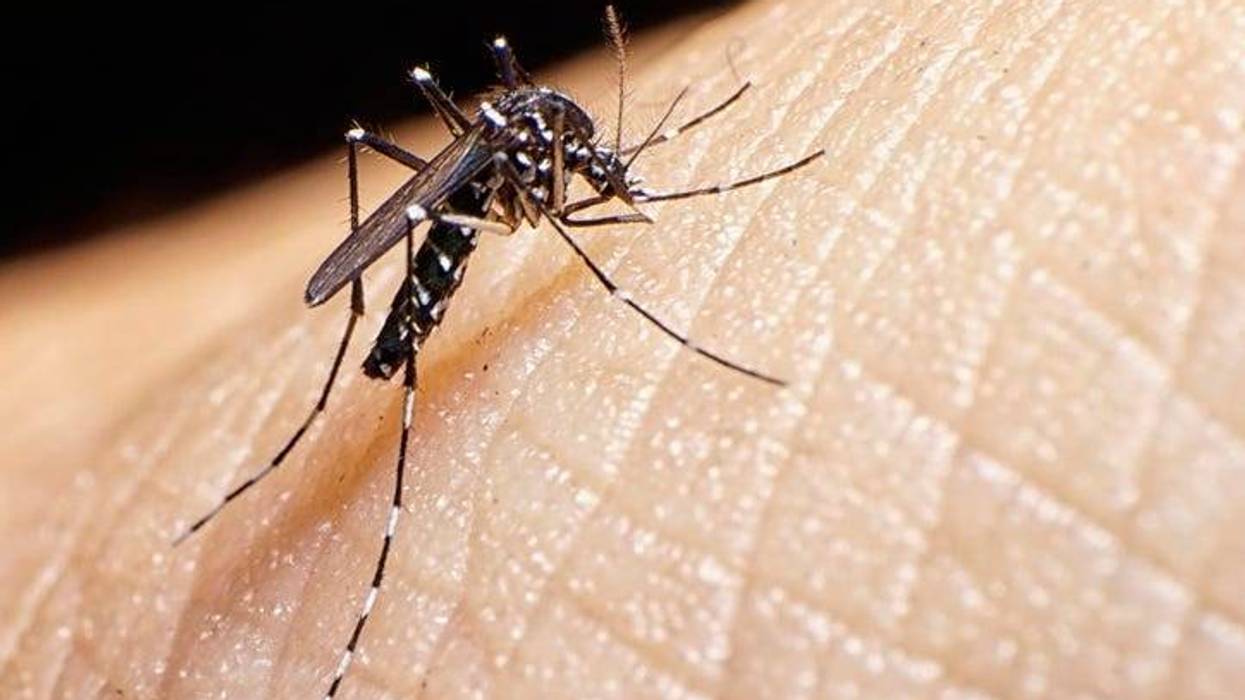
The Illinois Department of Public Health describes Asian tiger mosquitoes as small and black with distinctive white markings, including a white stripe down the back. They also don't need ponds or marshes to reproduce. Clifton said they breed in rainwater collected in flowerpots, buckets, children's toys, clogged gutters and other containers commonly found around Chicago homes. “The amount of habitat that exists in the urban environment is astronomical,” he said. And if they're biting you in your backyard, they may have been born there. “This mosquito comes from containers around the home. They don’t fly far, and so if you find them, if you see them, they’re probably coming from very close by,” Clifton said. Clifton said Chicago's warming urban environment may also be helping the species establish itself farther north. “Chicago is always at the northern extent of the species range,” he said. “Just a little bit of warming makes this area accessible for this mosquito.”
Asian tiger mosquitoes are capable of transmitting viruses including dengue, Zika and chikungunya, but that does not mean those diseases are currently circulating locally. For now, Clifton said, the mosquito is “mostly a nuisance” in the Chicago area.
Asian tiger mosquitoes bite during the day, can feed multiple times and are increasingly making themselves at home in the Chicago area
Asian tiger mosquitoes bite during the day, can feed multiple times and are increasingly making themselves at home in the Chicago area