

CHICAGO CITY HALL (WBBM Newsradio) -- Chicago aldermen are digesting updated information about police response times before and after Mayor Brandon Johnson canceled the city's contract for the ShotSpotter gunshot detection system.
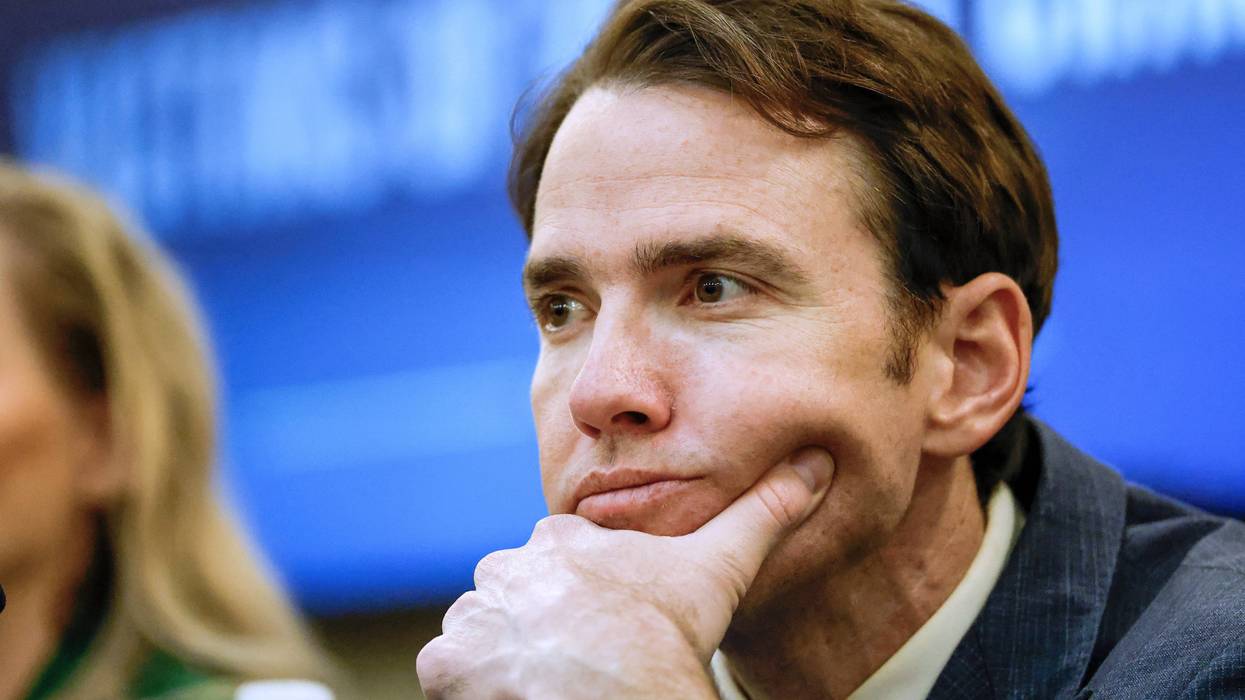
The mayor last month cited University of Chicago Justice Center professor Steven Vargas' examination of ShotSpotter as further justification for his decision to cancel the city's contract with its provider back in 2024. But Vargas told aldermen on the City Council's Public Safety committee Tuesday that while his analysis shows that police responded to the most serious calls about two and a half minutes faster after the city ended its ShotSpotter contract, it doesn't explain why.
"I'm not telling you that turning ShotSpotter off produced these numbers," Vargas said during his testimony on the third session of a subject-matter hearing into the status of the city's effort to find a replacement technology. Aldermen approved a replacement procurement project over the mayor's objection, and some City Council members have suggested that the mayor's office is deliberately slow-walking the process.
Vargas said part of the challenge in determining the effectiveness of ShotSpotter is that under the contract negotiated during the tenure of former mayor Rahm Emanuel, owner Sound Thinking owns the data generated by ShotSpotter sensors, which means there's no way to independently analyze whether the system works as advertised.
"The city doesn't have ownership of the data," Vargas said. "What's missing here is a way to vet all these claims that the company's making."
But Far South side Ald. Peter Chico said his personal benchmark is the number of reports in his ward of shooting victims left to die in the street because people who hear gunshots don't call 911.
"This is becoming a regular and all-too-often occurrence," said Ald. Chico (10th Ward) during the hearing, adding that police officers in his ward have said the technology can help get to those victims. "Respectfully, I think it's a matter of common sense."
Vargas urged aldermen to follow the data rather than their gut instinct when determining whether a law enforcement tool is actually effective: "A lot of things I think are common-sensical ... truly, 95% of the time I'm wrong."
The mayor's office has said it could be several more months before a replacement is selected.
Prof says police response sped up after contract ended
Prof says police response sped up after contract ended