

CHICAGO (WBBM NEWSRADIO) -- The effort to vaccinate every Chicagoan against COVID-19 could be one of the great mobilizations in history.
Last week's announcement that a COVID-19 vaccine, developed by Pfizer, appeared to be 90 percent effective is the light at the end of coronavirus tunnel.


The White House said vaccinations will be available to front-line workers as early as next month, as soon as the vaccine gets an emergency-use authorization from the FDA.
Experts told the Tribune, the effort to get the vaccine to people will be a massive logistical undertaking on the level of mobilization during World War II.
The nationwide effort is likely to include a range of government resources including military vehicles and planes, said logistics expert Tray Anderson of Chicago-based commercial real estate brokerage Cushman & Wakefield.
"This will be one of those all-hands-on-deck efforts, similar to what happened in World War II," Anderson said.
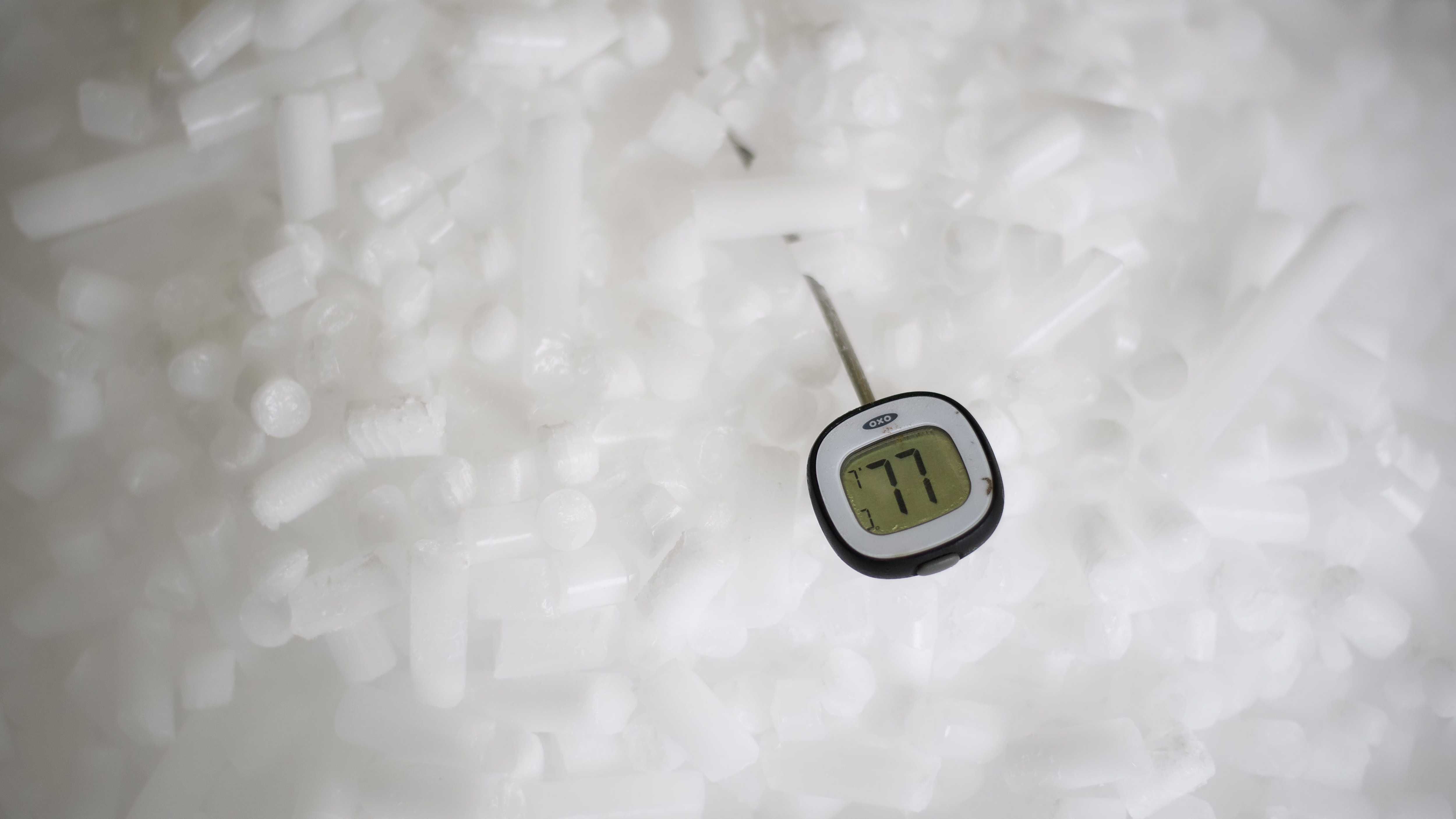
The Pfizer vaccine must be stored at temperatures that are 100 degrees below zero. So far, Pfizer has said it would control the shipping process.
But industrial real estate experts said such temperatures are virtually impossible to maintain in a typical large, open cold storage facility, and it would be unsafe for workers to walk around in such a space.
Instead, pharmaceutical companies and government agencies could seek space in traditional warehouses, where they could set up small, locker-like freezers capable of maintaining super-low temperatures. But that approach has its own challenges, the Tribune reported.
According to the Tribune, few hospitals have ultra-cold freezers, and warehouses may be converted into ultra-cold storage spaces. But there is a big difference between storing foods like hamburger patties and ice cream, and preserving a promising Pfizer vaccine that must stay below Arctic-winter temperatures.
"Nothing that we're building can even get that cold," said Tony Pricco, president of Chicago-based developer Bridge Development Partners, which builds and owns cold storage buildings and other warehouses throughout the country. "I don't think it's even feasible to keep a large space that cold. This is not a conventional freezer type of use."

According to the Tribune, an ultracold freezer can cost as much as $20,000.
The U.S. Centers for Disease Control and Prevention recommends against state and local government agencies buying ultracold storage equipment, and Pritzker has pointed to the risk of committing too soon to any particular vaccine or distribution plan.
"Well, there's only been a preliminary study that's come out about that Pfizer vaccine," Pritzker said in a COVID-19 briefing Thursday. "I'm very optimistic about it. Lots of other doctors, Dr. (Anthony) Fauci, talked about the optimism around it, but there's — investing in a hundred-degree-below-zero freezer equipment for the entire state before you even know if that's a vaccine that you will use probably doesn't make any sense."