

Menopause is often called "The Change." All women will go through it, but for years, no one talked about it and many of our mothers and grandmothers suffered silently.
"There was as lot of stigma attached to menopause for many years. In our society, we value young, reproductive years so women who were menopausal were often dismissed and a lot of research done on medications in mid life are men-based, not women based so women would try to hide the fact they were in menopause," said Patricia Handler, Advanced Practice Nurse, Center for Sexual Medicine and Menopause, Northwestern Medicine.
But things are changing and the stigma attached to a woman's journey into menopause is disappearing.
The average age of menopause for a woman is 51 years and four months but it can start as early as in her 30's or as late as in her 50's.
"Women can be in perimenopause for many, may years leading up to that, which in this case, they can have a lot of symptoms they are familiar with, many they aren't familiar with, hot flashes, vaginal dryness, mood swings, sleep disruption. This can start happening as early as women in their late 30's," said Handler.
"The perimenopause can be a chaotic state when the estrogen is all over the place."
But despite 47 million women entering menopause each year, this natural part of growing older was something few people talked about but no more.
Lunch dates, book clubs, celebrity testimonials and social media has meant a whole new generation is talking about it and sharing their thoughts and journeys and doctors say it's lead to a major cultural shift.
"A third of my practice is women in menopause. I am seeing women who have questions, those numbers are up ten fold," said Dr. Kristen Venuti, OB/GYN, Northwestern Medicine.
"Before, I would only have conversations about menopause a few times a week. Now it's multiple times a day," she said. "But I'm so glad that we're having those conversations. More women are coming in asking questions. Social media has made a huge difference. I do think it's been great about awareness and making women feel more empowered to ask their doctors about it," said Dr. Venuti.
"There are a lot of doctors and providers who are finally talking about menopause and I think that's the reason for the explosion," said Handler.
Women are now addressing the change out in the open, with humor, research and camaraderie to cope with and find relief.
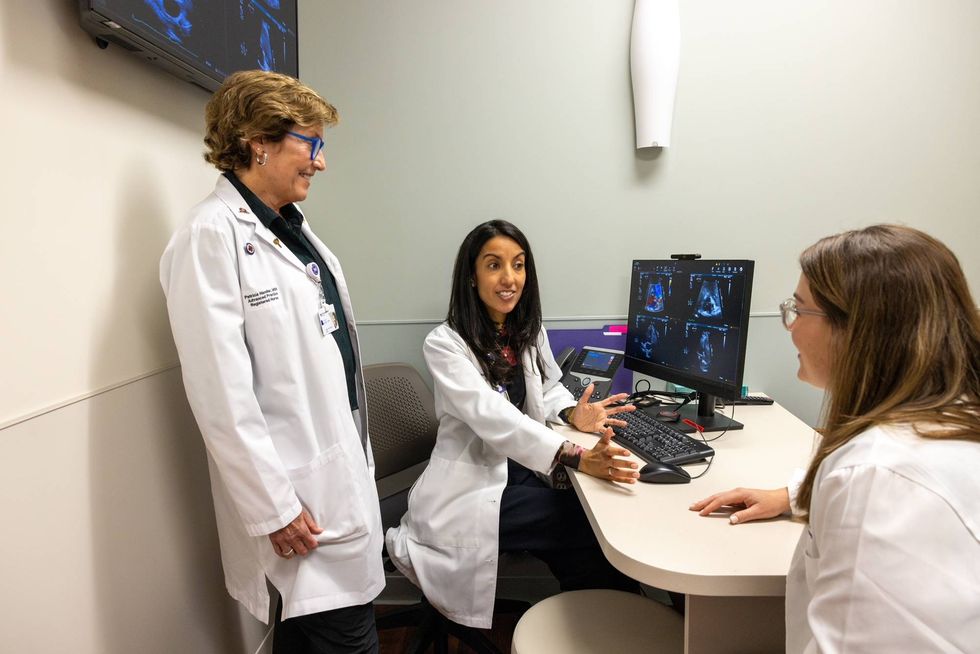
Patricia Handler, Advance Practice Nurse, Dr. Priya Freaney, Cardiologist, Dr. Kristen Venuti, OB/GYN, Northwestern Medicine
NM Media Relations
"I would say a lot of women talk to their friends now, we as women, are communal. I say don't be afraid to talk about it, that's the first step. For so long, it was swept under the rug and we're told to grin and bear it, but we shouldn't be," said Dr. Venuti.
"There used to be this thought about once women are done child bearing, and then we go through menopause, but yeah there's so much more, we're here and we're hear to stay," laughed. Dr. Venuti.
Menopause is one of the biggest biological shifts a woman endures. Doctors say it's time to break the silence, which they say is already happening and its leading to empowerment, balance and longevity.
"If you go through menopause in your 40's, and the average life expectancy for women is in their 80's, you could spend half your life in menopause, and we can make that so much better and so much healthier for you," said Handler.
"Menopause is having a moment," smiled Handler.
In Part 2 of Menopause: Changing the Conversation, we take a closer look at hormone replacement therapy, whether it's right for you and how a 25 year old flawed study worked against a generation of women.
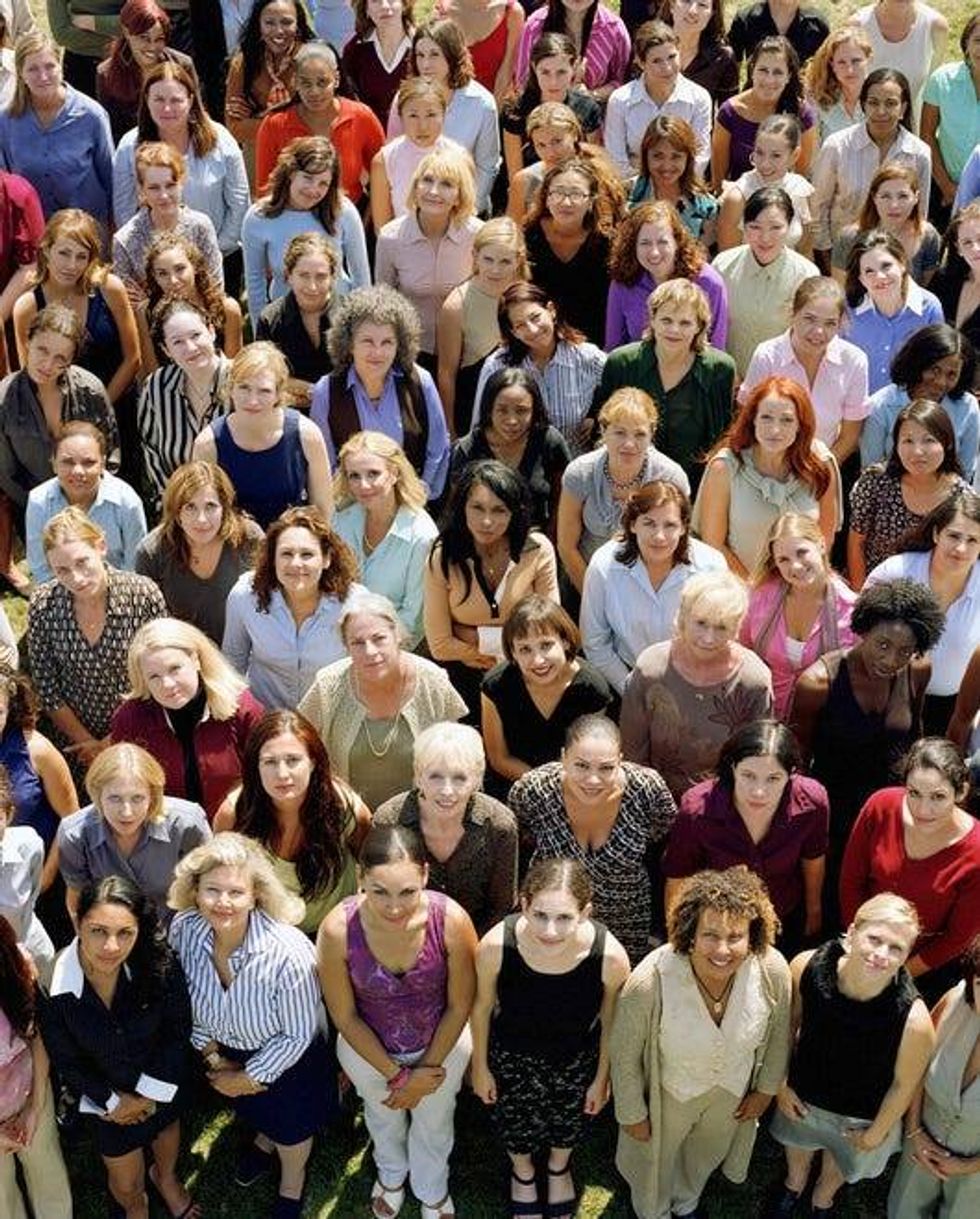
Women are taking charge of the menopause narrative
Getty Image/Ryan McVay