

More than a million women in the United States enter menopause each year.
Paula Neale, 67, recalls gaining weight, hot flashes and being unable to sleep.
"I had period irregularities, I started putting on weight, I was just more emotional. It was almost like I was standing outside my body looking at myself wondering why I was acting like that. I couldn't help it, the way I was feeling. I never ever really thought this is menopause or peri menopause. I kept wondering what was wrong with me," she recalled. "I never talked to my mother about it, or my sister about it. I just thought something was wrong with me."
There are some 100 symptoms associated with menopause. These changes can bring with them a variety of challenging physical and emotional symptoms and how a woman’s body responds to them can vary day to day.
"Women can be in peri menopause for many, many years. Women can have a lot of symptoms: hot flashes, vaginal dryness, sleep disruption," said Patricia Handler, Advanced Practice Nurse at Northwestern Medicine Center for Sexual Medicine and Menopause. "Not all women experience the same symptoms."
Hormone replacement therapy is often the answer but a flawed study nearly 25 years ago--mislead a generation of women like Neale to be fearful and even misinformed about what to do and the use of HRT plummeted.
"The Women's Health Initiative came out with a study that came out in 2002 scared everyone and everyone was told to stop their hormone therapy. This study was stopped over concern of breast cancer and blood clots however since then, the study has been reanalyzed and the data has been looked at again," said Handler.
The study was flawed because it tested older women (average age 63) with higher baseline health risks using a now-obsolete synthetic hormone formulation.
"The average age of participants was 63, so you're already at greater risk for heart disease and breast cancer. One in eight women get breast cancer so, already at the get go, there's a difference. The hormones were different than what we use today," it said.
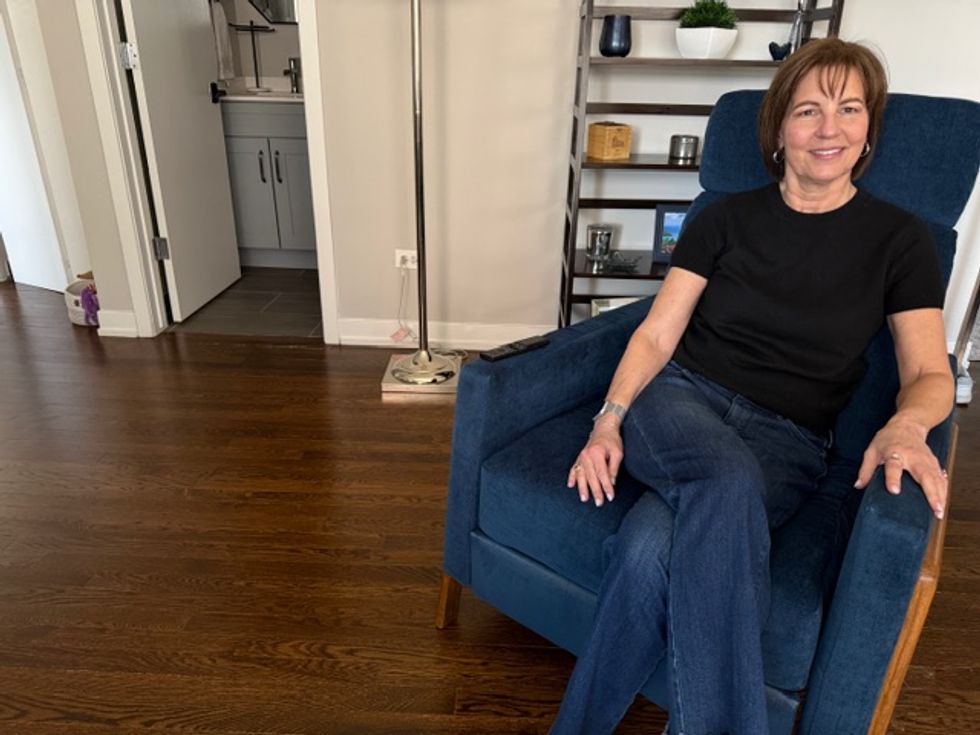
Paula Neale, 67, suffered from menopause symptoms for years.
Lisa Fielding/WBBM Newsradio
Handler says it turns out, for women under 60, the benefits of HRT actually often outweigh the risks. In fact, the FDA recently removed the black box warnings from many HRT products-opening up a whole new world to women entering this phase of their lives.
"The most important things I tell women now is to have a very thorough consult with your family practitioner, take blood work, chart your symptoms. It's key to chart your symptoms so we can identify where you are in this process and what is the best route for you. This is so you can make your 80's more vibrant than your grandmother had, you can make your 80s a time when you don't fall and break a hip because you have strong bones. More women die of a hip fracture and subsequent death than getting breast cancer from hormone therapy," said Handler.
Handler says HRT can not only reduce daily symptoms but better protect a woman's heart, reduce risk of Alzheimer's disease and bone fractures.
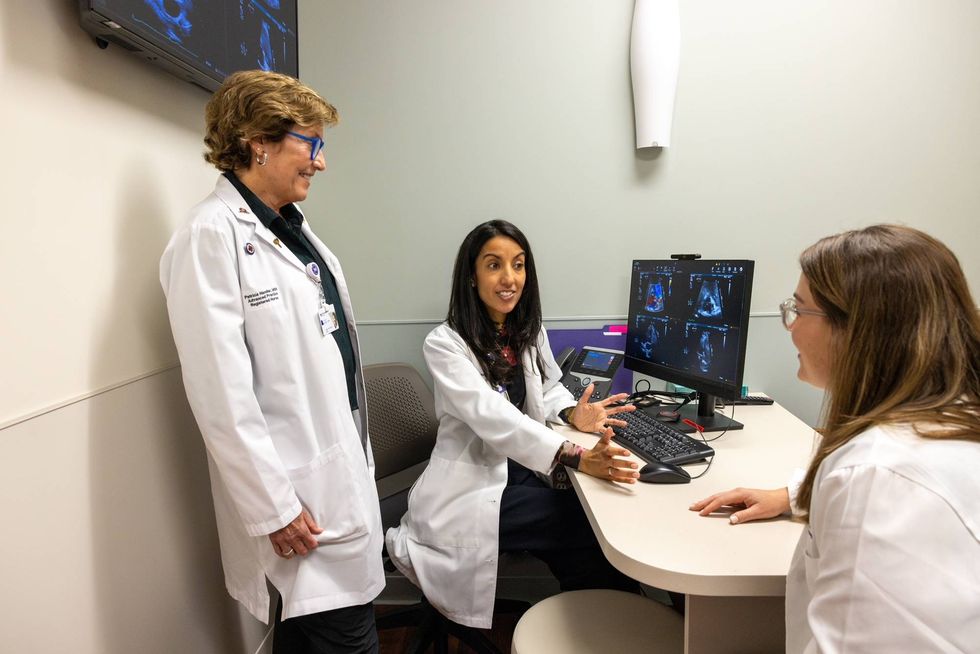
Patricia Handler, Dr. Priya Freaney, Dr. Kristen Venuti, Northwestern Medicine
NM Media Relations
"Early studies show that estrogen will diminish your brain changes. You have estrogen receptors everywhere in your body including your brain. We know that starting modern hormone therapy within ten years of menopause can protect bone density, reduce fracture risk, improve sleep, ease hot flashes and night sweats, and protect vaginal and sexual health," said Handler.
Doctors say education and starting early is the key.
"The best time to start is within 10 years of your last period. You can start hormone therapy when you're perimenopausal. If you're having symptoms, there's no reason why you have to wait for that final period to start hormone therapy. We start you on a low dose and we see how you do and how your symptoms are. For most women, not all, but for most women, hormone therapy is really safe and very effective and helps promote better health mid life."
"The big question is often, can I take HRT? You can look at the rollercoaster of the data of prescriptions over the years. It was awesome for everyone then it was terrible for everyone. So now, we take a more nuanced approach, and we ask is it right for you," said Dr. Priya Freaney, Cardiologist, Northwestern Medicine Bluhm Cardiovascular Institute.
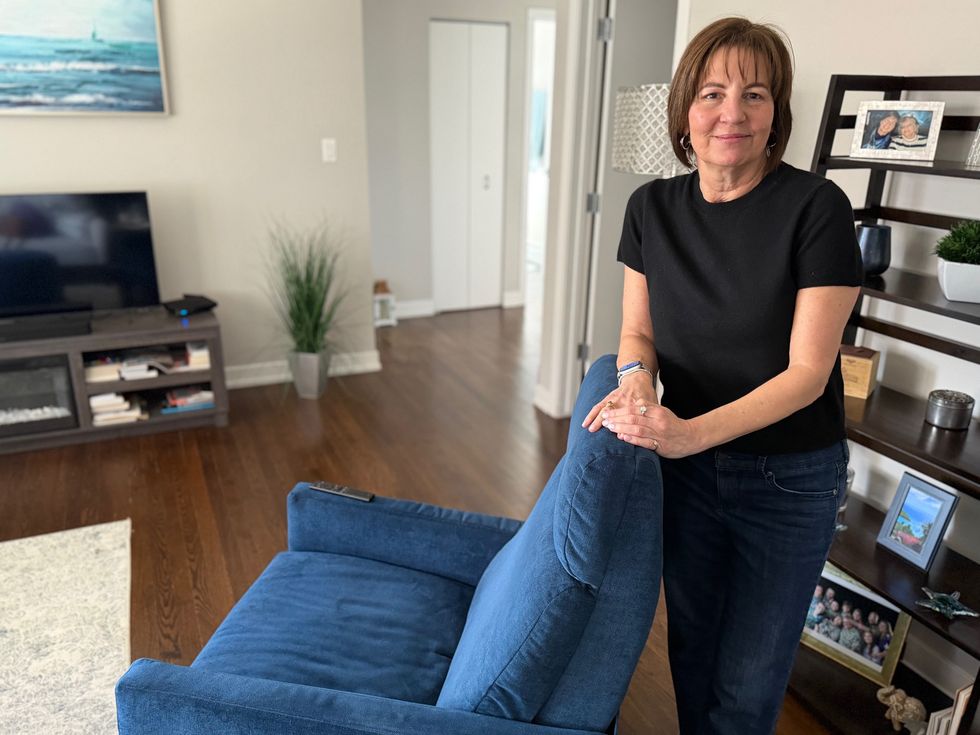
Paula Neale inside her Edgewater home
Lisa Fielding/WBBM Newsradio
For Neale, medication and knowledge made all the difference.
"When I finally got some answers, I was too old for hormone therapy but my doctor put me on a different medication for my hot flashes. I went to the Center for Sexual Medicine & Menopause at Northwestern and it was the best hour of my life. It changed my life," she smiled. "There is no reason that any woman should have to suffer from menopause symptoms."
Whether HRT is right for you or not, a lot has changed over the decades, new meds, new research, and new awareness means women don't have to suffer in silence anymore.
"I talk to some of my patients about plant based estrogens if they really want to avoid all hormones. There are also vaginal suppositories," said Dr. Kristen Venuti, OB/GYN, Northwestern Medicine.
"My patients are getting hormones through med spas now. Some of it is good but some of it is strange. I would just warn people to make sure that it's an accredited OB/GYN provider." said Dr. Venuti.
"It's time to embrace menopause. The fact that you've made it to menopause, is a privilege and we can make it so you don't suffer as much by helping you with these various treatments, whether it's hormonal or not because we have non hormonal treatments too," said Handler.
Coming up in part 3 of our series, the correlation between perimenopause, menopause, the loss of estrogen and cardiovascular disease.
For more information about menopause and the Center for Sexual Medicine & Menopause, click here.