


There's no final decision, no signed contract (that we know of), and no announced ground-breaking date. But the two executives driving the Chicago Bears away from the city's lakefront and toward northwest Indiana sure sound like men who have made up their minds about the team's fate.
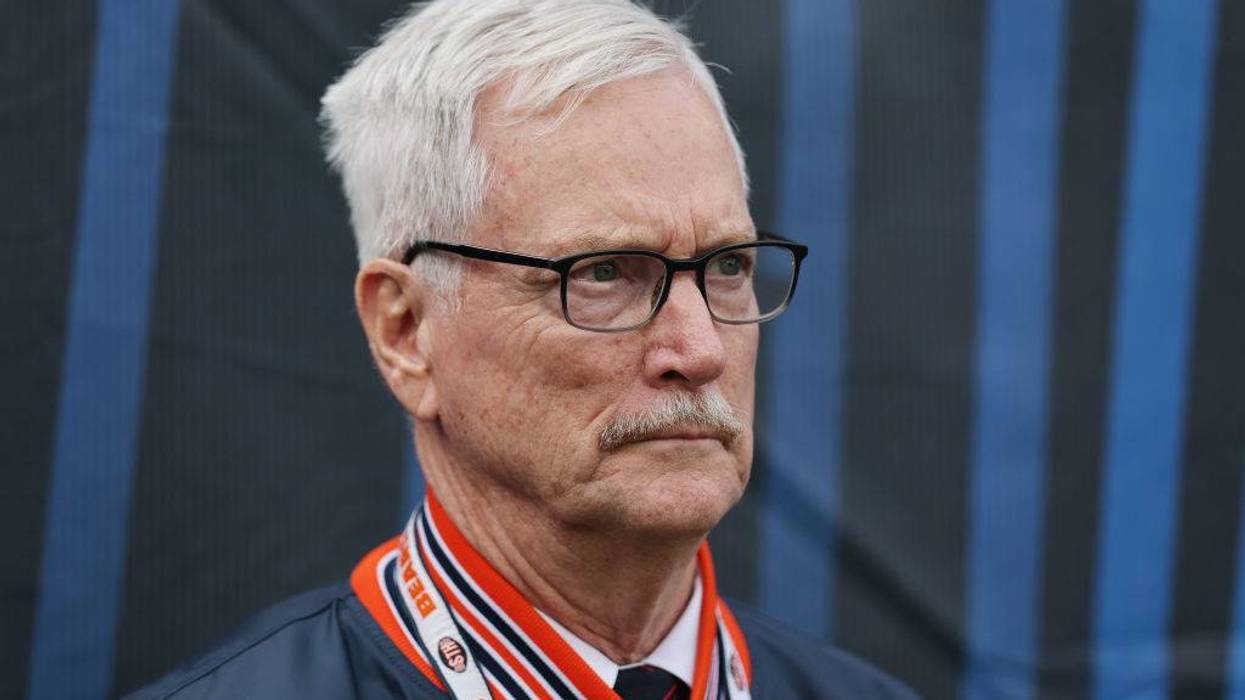
"Right now, our focus is on Hammond, Indiana," said team President and CEO Kevin Warren during an update for reporters at Halas Hall this week. Bears chairman George McCaskey echoed that sentiment, adding that he's found Indiana leaders "very proactive, very communicative, very solution-oriented" as the team and the NFL have taken soil samples and done additional testing at two potential sites near Hammond: one at the current Lost Marsh Golf Course, and one near Wolf Lake Terminal.
And while Warren tried to stress the care they're taking with the next steps of the stadium plan, stressing that "we will make sure that we take our time and get this right," he also appeared to make it clear that his priority was moving to the next chapter of talks with Indiana leaders about the financial and other agreements required to put the team into a domed stadium funded by Hoosier taxpayers: "Time is now, and it's time to bring this to a close."
The financials for the team may improve in Indiana if both sides are found to be viable: Warren revealed that the team was considering combining the Lost Marsh and Wolf Lake sites into a single location for a multi-use development similar to what they'd planned for the old Arlington Park site. "We thought if we could cohesively bring those together, and just make sure that entire area comes together from a mixed-use standpoint, it would even be better," Warren said.
All this would appear to close the door on any substantive conversations with Illinois lawmakers, who have said precious little about any effort to bring a possible Arlington Heights incentive plan back to the floor during the fall veto session ... or at any other time. Members of the House and Senate could not reach consensus on how best to help the Bears build its stadium in Illinois before the end of the spring legislative session, and since that time Warren described the team's contact with Illinois leaders as "minimal."
That may be because the person best equipped to bring everyone together, Gov. J.B. Pritzker, is running for re-election with an eye toward potentially higher office in 2028 ... and in a political landscape where progressives are ascendant, might not want to be seen as the guy who carried the ball for an incentive package for the multi-millionaire owners of a football team, even one as beloved as the Bears.
In Springfield just before the Bears' announcement, the governor returned to a by-now-familiar script: he's not willing to build the team a new stadium, but is not opposed to helping with infrastructure and other needs, as long as it doesn't hurt taxpayers. "The Legislature and I want to be partners in that endeavor," the governor said. "The Bears themselves have to figure out (what) they want in a final bill.”
But Warren said the team's wish list should not be a mystery: "We've been very clear over the last couple of years about the things that we've always needed." And despite reports that suggested the Bears' lobbying team did its own share of fumbling in the last days of the legislative session, neither Warren nor McCaskey appeared willing to second-guess the team's strategy in public. ""We thought we presented a pretty compelling case," McCaskey said.
There's a lot of football left here: people living and working in Indiana still have to grapple with the billions of dollars in entertainment and other taxes and fees they'll have to give for any stadium construction. And even if the team cuts a deal tomorrow, they've given no indication that they intend to seek an early exit from their lease at Soldier Field, which runs through 2033.
And both men admit they'll need time to get Bears fans on board with the idea that a team that's weathered decades of rough conditions on the lakefront is moving to a shiny new domed stadium just across the state line. But McCaskey said he thinks the fans will come along. "Once they understand that our top priority from Day One was a world-class stadium experience, we believe they'll make that adjustment."
But for diehard superfans, trading DuSable Lake Shore Drive for Lost Marsh might take more than a heated stadium and new concessions.