


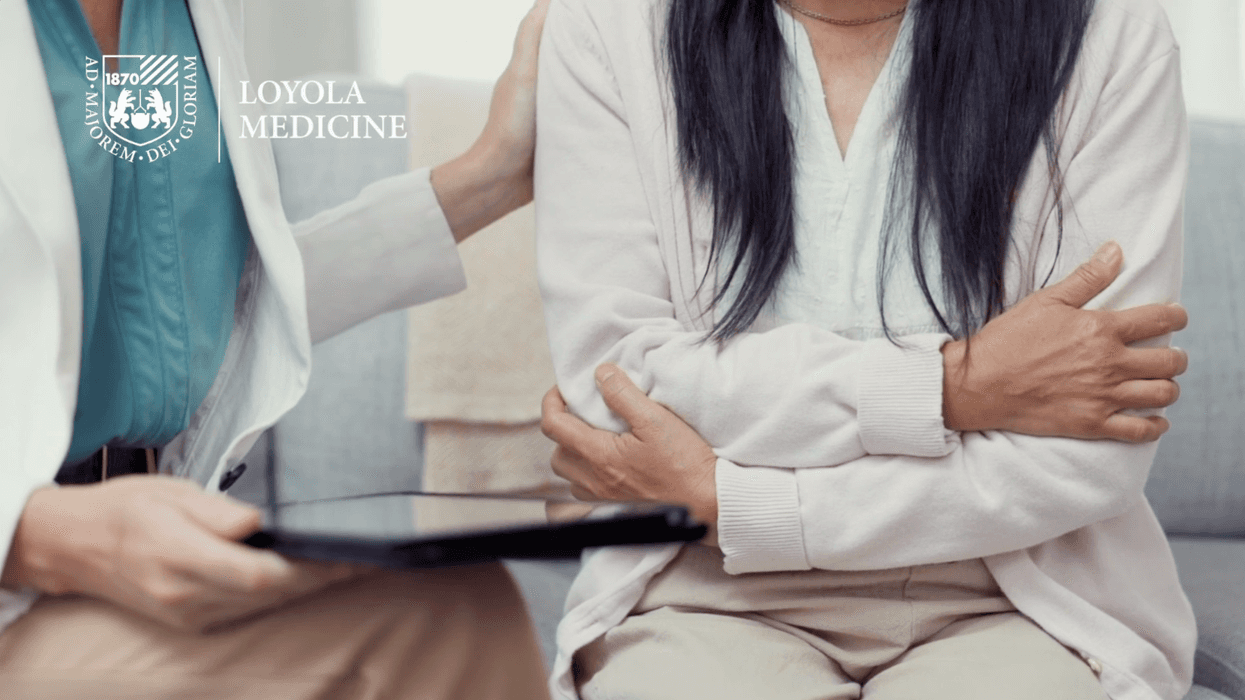

Endometriosis is a complicated condition that can affect women of any ethnicity or age.
Women who are diagnosed with endometriosis have tissue that grows outside the uterus, usually in the lining of the uterus, that causes inflammation and scar tissue. It currently affects 10% of reproductive-age women worldwide, yet it often goes underdiagnosed.
Endometriosis has no cure but can be treated
There is currently no cure for endometriosis. However, there are treatments that can help with symptoms and improve quality of life. Some medications like non-steroidal anti-inflammatory drugs can reduce pain, alongside certain hormonal medicines.
Surgical treatment can remove the abnormal tissue and lesions, including more permanent options like hysterectomy, which is removal of the ovaries. What treatment the doctor recommends depends on the severity of symptoms, the patient’s preferences, side effects and whether pregnancy is desired in the future.
Women are often not diagnosed quickly enough
Endometriosis symptoms overlap with those of other conditions, which can make diagnosis challenging.
Common symptoms include:
- Fatigue, constipation, bloating or nausea
- Heavy menstrual bleeding
- Pain during sex
- Pain with bowel movements or urination
- Painful menstrual periods
Because these symptoms can be common, women may experience a lengthy diagnostic process, often taking between four and 12 years on average. Surgical evaluation may sometimes be needed to confirm the diagnosis and determine the most appropriate treatment approach.
Fortunately, new diagnostic approaches are being evaluated to help identify endometriosis earlier. Emerging tools, including blood-based tests and other innovative methods, may help improve earlier detection in the future.
Endometriosis can affect more than reproductive health
Endometriosis is usually associated with fertility concerns, often being more common among women experiencing infertility. However, the condition can affect many aspects of overall health and daily life.
Symptoms such as heavy menstrual bleeding may contribute to fatigue or iron deficiency.
Chronic pelvic pain, painful periods and discomfort during sex can also affect physical comfort, emotional well-being and personal relationships. All of these can make it more difficult to participate in everyday activities, including work, school or exercise.
If you experience persistent pelvic pain, painful periods or other symptoms that interfere with your daily life, talking with a health care provider can help you better understand your symptoms and explore available treatment options.
To learn more about treatment options or to be seen by a specialist, visit loyolamedicine.org/gynecology.
Living Healthy with Loyola Medicine
Living Healthy with Loyola Medicine