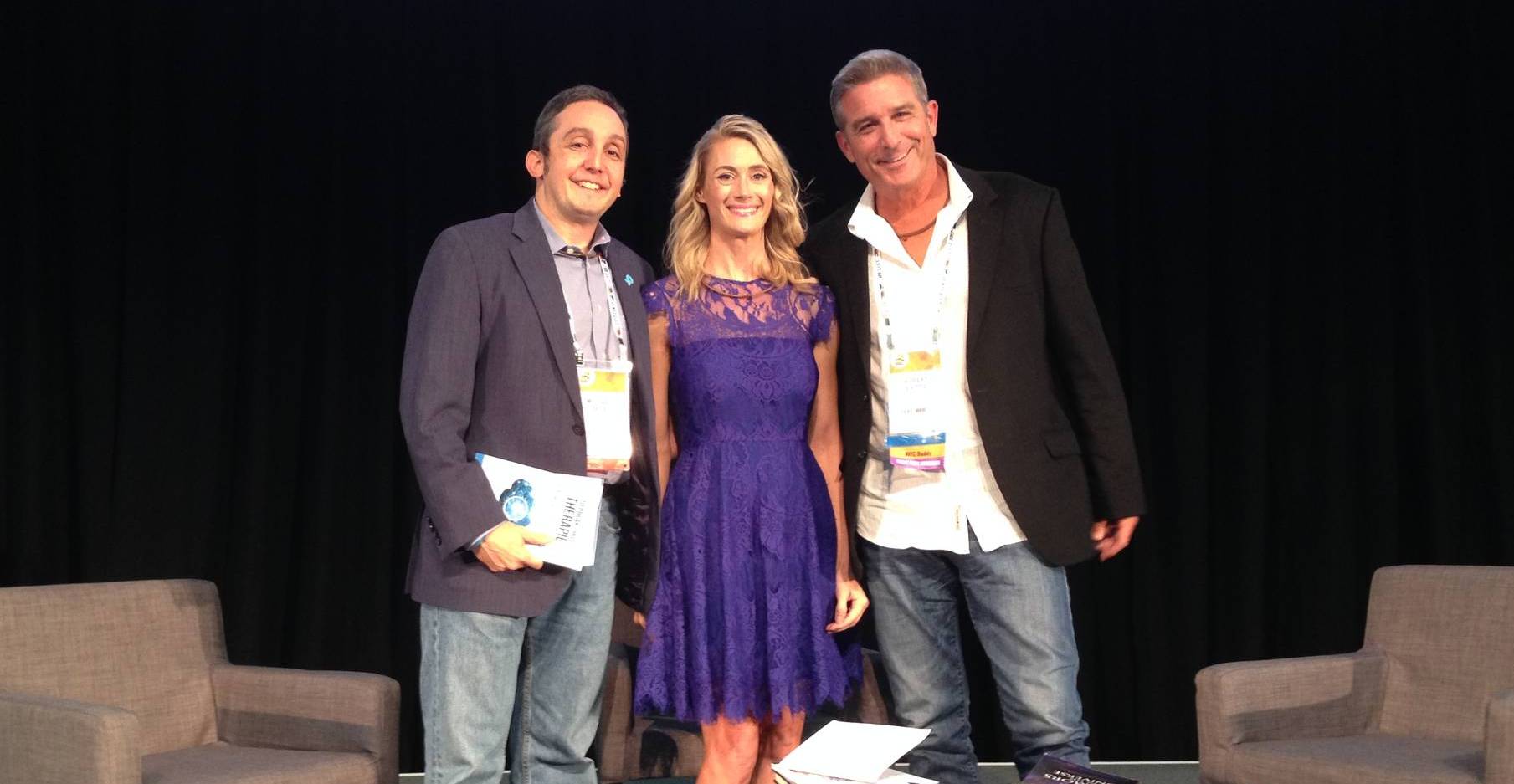


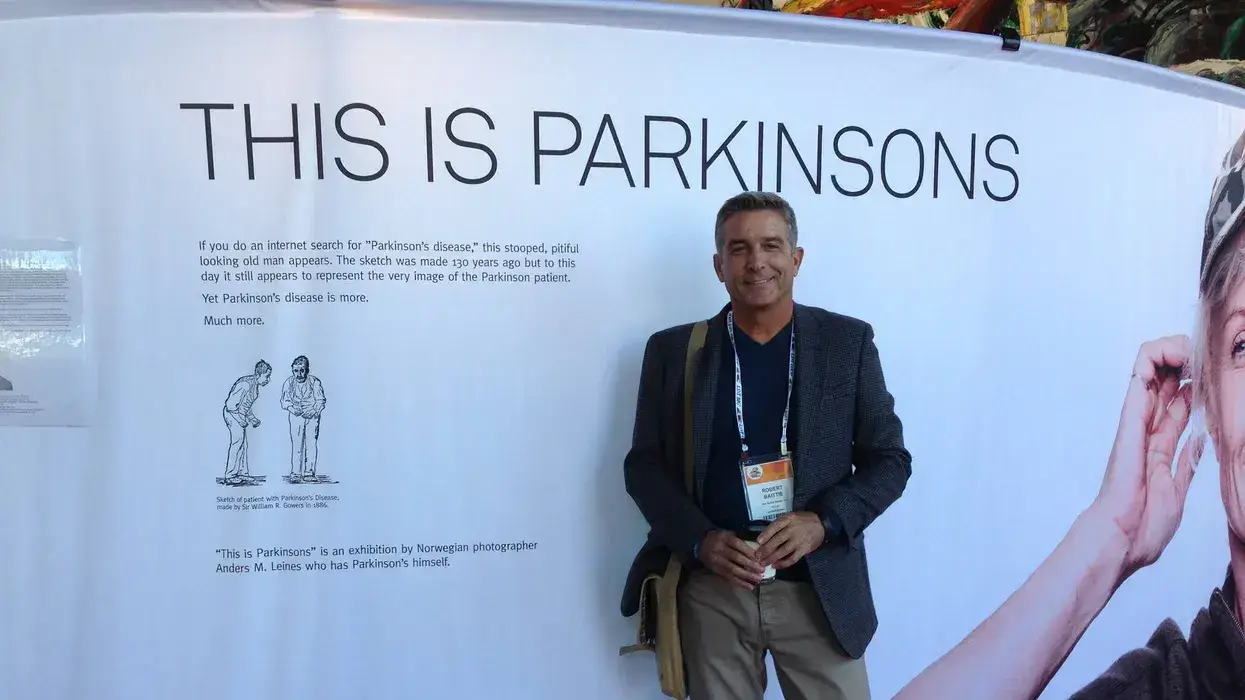

Robert Baittie was in his early 50's when he started feeling strange symptoms.
"Things like loss of a sense of smell, tripping over, stumbling over the carpet in my home, I'd turn a corner and slam my shoulder into the wall, having spatial recognition problems. I knew this wasn't normal," he recalled.
After several doctor visits, cardiac and neurological tests, several of his doctors chalked it up to growing older. After 2 1/2 years of symptoms, finally a diagnosis, something he already suspected.
"In 2012, I had a dopamine screening test. The day the doctor asked me to come to the office to review my results. The doctor came in, and he said, yeah you have Parkinson's."
Baittie said the moment he got the diagnosis, he knew that his mindset in that moment would determine the rest of his life and his journey toward healing.
"I thought to myself, you've got this. You're going to be ok. To this day, I tell people that the first opportunity that you have to start healing is at the diagnosis, how you take a diagnosis and how you process it is either going to put your mind in a state of healing or be your protentional decline," he said.
Now, he's become literally the face of Parkinson's in a new :30 and :60 Public Service announcement debuting this week.
"A diagnosis of Parkinson's leaves people with lots of questions. Stay away from the internet," he laughed.
"The real answers, in the opening of the PSA, when you get that diagnosis, things get real really quickly. The disease itself isn't like falling off a cliff. This is a slow progression disease so with that time, best to educate yourself and the Parkinson's Foundation has those answers." he said.
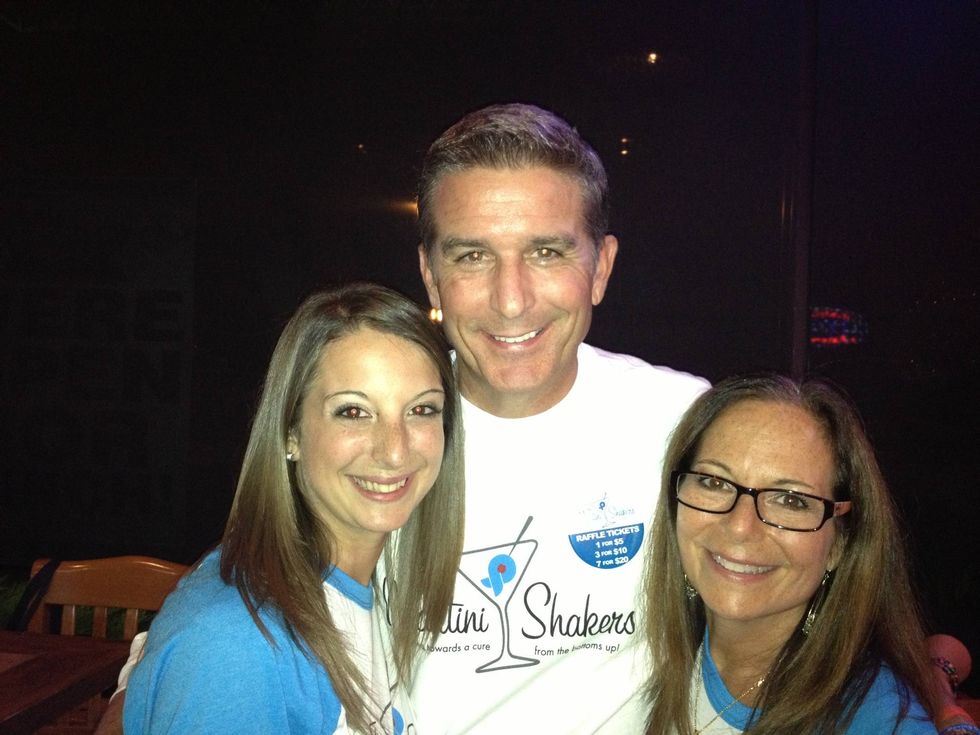
Robert Baittie with his wife and daughter
The Baittie Family
"I've worked with the Parkinson's Foundation almost since the beginning of my diagnosis. I used the Hospital Safety Guide to be a voice for me when I went to the hospital. I talk to so many people now within the community. It's been 14 years and it was a catalyst for transformation. " he said. "The 'Find Real Answers' campaign is about letting people know they aren't alone and I am here, and the Parkinson's' Foundation is here to help."
PD is the second-most common neurodegenerative disease after Alzheimer’s, impacting more than 1 million people in the U.S. and more than 40,000 Illinoisans. Men are 1.5 times more likely to have Parkinson's disease than women. However, research to date on women’s experience with PD underscores the need to focus more on this important part of the Parkinson’s community. You can read more about this on the Parkinson’s Foundation website here.
But Baittie says awareness and education has made all the difference in research, and eventually a cure, something he says he believes he will see in his lifetime.
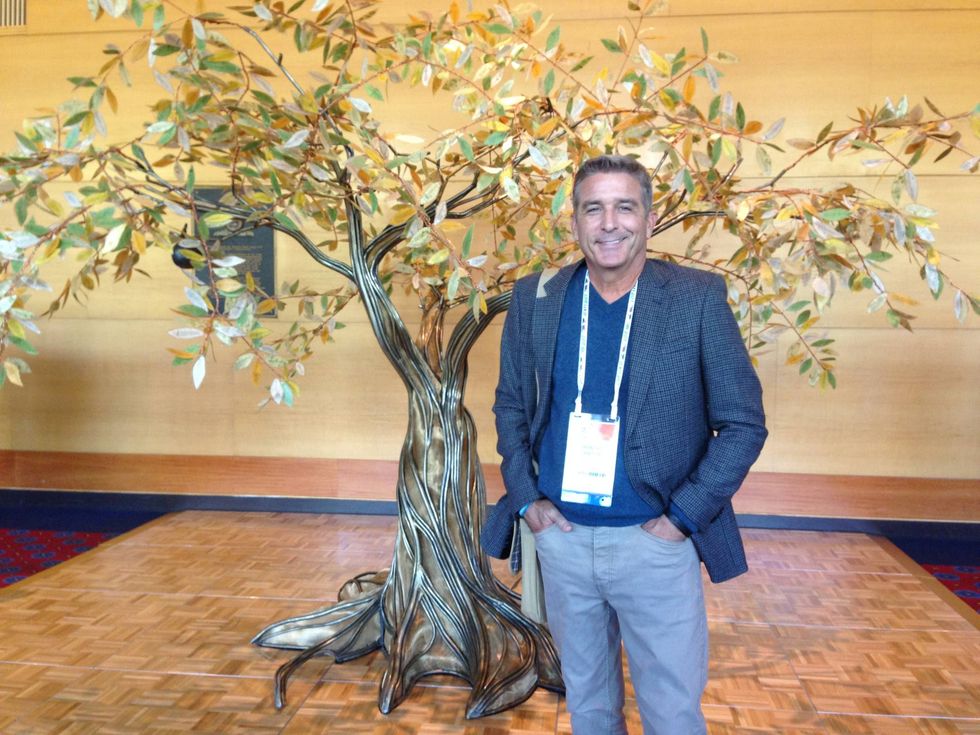
Robert Baittie attending the World Parkinson's Congress
Parkinson's Foundation
"I think we're getting closer and closer because the medical advancements are beginning to pay off, the research is beginning to pay off. The cure is, I believe, is in my lifetime and I'm already a result of that," Baittie said, who had DBS surgery, a procedure that implants electrodes into specific brain areas to treat movement disorders like Parkinson's disease and epilepsy.
Scientists believe Parkinson's is caused by a combination of genes, environmental, and lifestyle influences but you can learn more about potential causes here.
Baittie has written two books about his journey, speaks at the World Parkinson's Congress and is even a licensed massage therapist for PD patients. He practices a groundbreaking approach called medical shamanism, an integration of holistic, ancient healing rituals and how it relates to modern medical science.
"I opened "Giving Back Massage" which is for helping PD patients, I became a shaman for mindfulness and became a teacher at College of Lake County for students going into massage therapy. I've never backed away from, what I feel is a calling, really to take this disease and give it purpose and by doing that that made the world of difference in my journey."
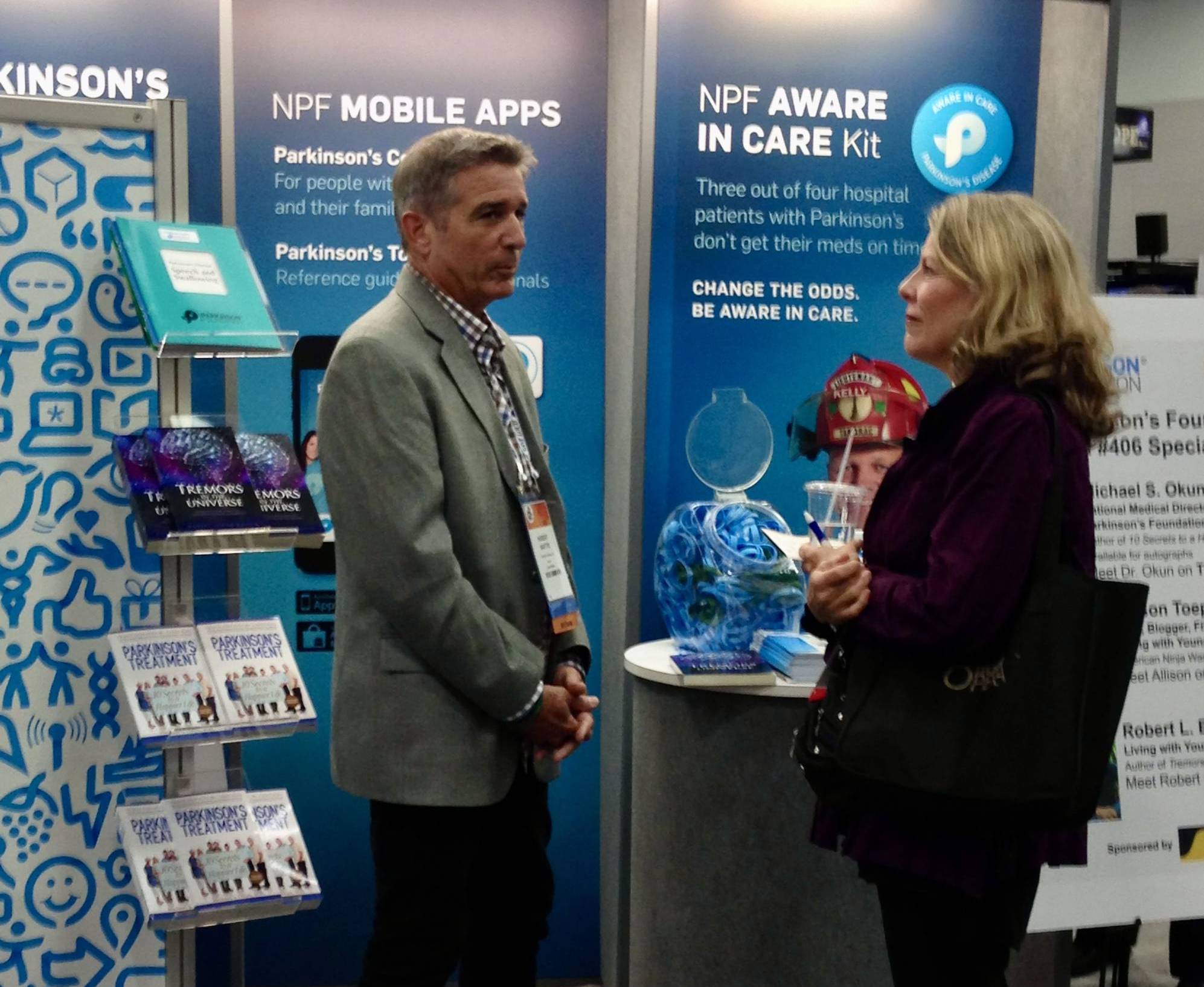
Robert Baittie promoting his book on behalf of the Parkinson's Foundation
Parkinson's Foundation
Over the past 14 years, he has raised more than $60,000 for research and care through the Parkinson’s Foundation Moving Day Walk in Chicago. Baittie has now made it his life's work to support, educate and assist not only Parkinson's patients but their families.
He recalled a conversation with his wife after his diagnosis.
"Early on, I was getting all this wonderful feedback about my blog, about my writing, about my book, everything was fantastic except I hadn't heard anything from my wife. One day I asked her how she felt about my work, and she said 'its nice' and I said "nice? what does that mean?" She said 'I'm afraid of your Parkinson's and you're not.' She said she didn't want to take away from my positivity and right there, I realized and that it became part of my talks. When you receive a diagnosis, you're not the only one, your entire family does. Your spouse, your children, they deserve to be a part of the healing journey. Including your family, not isolating yourself, keeping your social life alive can be the greatest support a Parkinson's patient can have." he said.
"My job is now bringing awareness. When I was diagnosed, I was looking for support and I couldn't find anyone like me offering their own experiences. That's when I vowed I was going to be that person to help others."