


The La Porte County Sheriff's Office says a nearly 46-year-old cold case murder has been solved, through forensic genealogy.
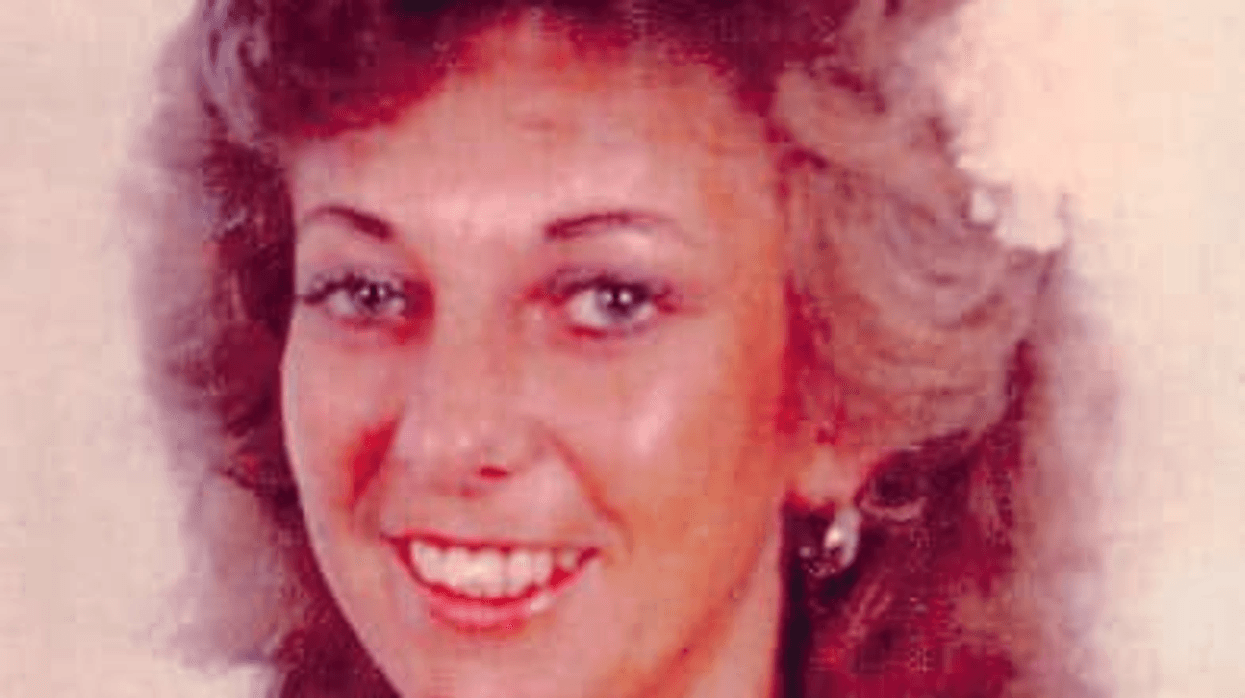
Juanita Boyd was 31-years-old in February of 1981.
She was living in the city of La Porte.
She was last seen at a bar.
Her car was found six days later, stuck in mud, along an agricultural road.
Her body was in the trunk.
She died of asphyxiation.
Sheriff Ron Heeg says the case went cold.
"This case is no longer cold, but in fact resolved, resolved with the assistance of modern day technology."
Captain Derek Allen says semen was collected from Boyd's underwear.
Years later, A DNA profile was developed.
"In July of this year, a DNA profile was collected from an immediate relative of a potential suspect. In October, investigators learned that the profile comparison showed the DNA profile collected from Miss Boyd's undergarment matched that of the suspect, Carl David Phillips.
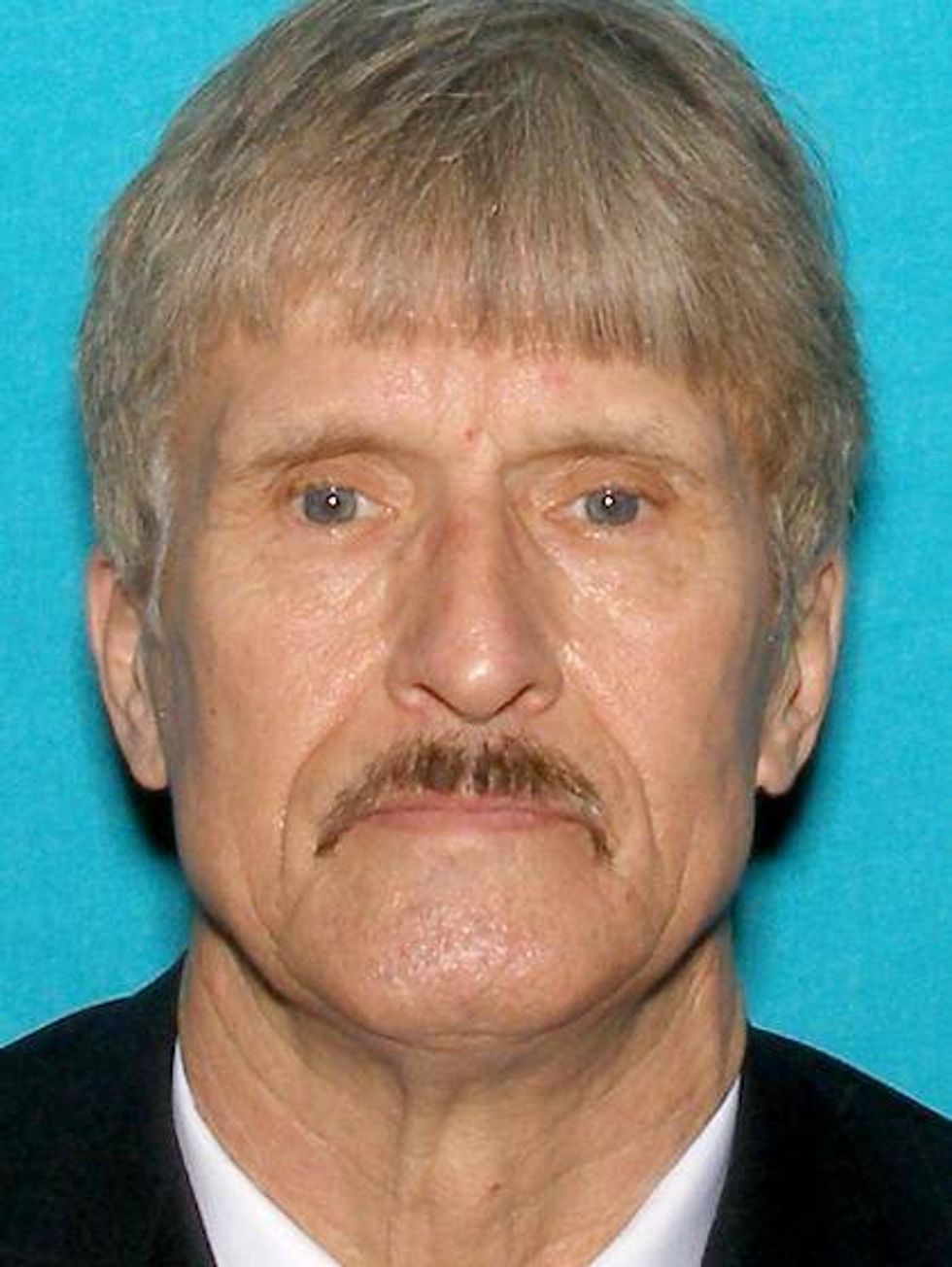 Carl David PhillipsLa Porte County Sheriff
Phillips spent time in prison before and after the murder for armed robbery and burglary.
He died in 2017 at the age of 82.
If he were alive, the La Porte County Prosecutor says he would be tried for the murder.
PRESS RELEASE
𝐂𝐎𝐋𝐃 𝐂𝐀𝐒𝐄 𝐇𝐎𝐌𝐈𝐂𝐈𝐃𝐄 𝐈𝐍𝐕𝐄𝐒𝐓𝐈𝐆𝐀𝐓𝐈𝐎𝐍 – 𝐉𝐔𝐀𝐍𝐈𝐓𝐀 𝐁𝐎𝐘𝐃
On February 22nd, 1981, Juanita Boyd was reported missing after failing to return to her residence at 107 State Street in La Porte. Her disappearance was considered out of character, prompting an immediate response by a multi-agency law enforcement taskforce in La Porte County, led by the La Porte County Sheriff’s Office. Investigators worked diligently to establish a timeline of Ms. Boyd’s whereabouts through interviews and investigative leads while simultaneously searching for her and her recently purchased green Pontiac passenger vehicle.
Six days later, on February 28th, 1981, Ms. Boyd’s vehicle was located along an agricultural lane off Forrester Road, east of CR 700 West, in rural Coolspring Township. The vehicle was stuck in mud, and it was apparent that those who had been with the vehicle attempted to remove it by placing boards from a nearby structure underneath the rear tires. Ms. Boyd was discovered deceased inside the trunk of her vehicle.
Her death was subsequently ruled a homicide caused by asphyxiation.
Evidence was collected at the scene, including Ms. Boyd’s clothing and articles from within the vehicle. Over the ensuing decades, investigators continued to review and pursue leads in the unsolved homicide investigation.
At the time of Ms. Boyd’s murder, DNA testing was not available and did not gain widespread use in law enforcement until the early 1990’s. Years after the murder, a DNA profile was developed from seminal fluid that was located in an undergarment of Ms. Boyd.
The DNA profile was compared to others, but no match was found. As the years went on, DNA testing continued to improve, and the use of Forensic Genealogy testing began being utilized in the investigation.
In July of this year, a DNA profile was collected from an immediate relative of a potential suspect. In October, investigators learned that profile comparison showed the DNA profile collected from Ms. Boyd’s undergarment matched that of the suspect – Carl “David” PHILLIPS.
PHILLIPS was known to be residing in La Porte County at the time of Ms. Boyd’s murder. Furthermore, he had resided in the immediate area of the scene as a juvenile and was familiar with the area. At the time of the homicide PHILLIPS was 37 years old. There is no known connection between Ms. Boyd and PHILLIPS, and the only evidence linking them together is the DNA evidence collected from her undergarment.
On September 24, 2017, PHILLIPS died in La Porte County. Had he been alive today, the La Porte County Prosecuting Attorney’s Office would have charged him with the murder of Juanita Boyd.
While this development will not result in a criminal prosecution, the identification of the individual responsible represents a significant step in a homicide investigation that had remained unsolved for more than 45 years.
The La Porte County Sheriff’s Office remains committed to pursuing justice for victims and their families, regardless of how much time has passed. Cold case investigations are painstaking, requiring investigators to revisit evidence, reconsider investigative avenues, and take advantage of advancements in forensic science that may not have existed when the original investigation began.
For Juanita Boyd’s family, the investigative breakthrough provides answers to questions that have remained unanswered for decades. Although nothing can undo the tragedy of her death or replace the years spent without answers, the hope is that identifying the individual responsible provides some measures of closure. Time does not dimmish the commitment of the Sheriff’s Office to victims, their families, or the pursuit of answers.