


MEXICO CITY (AP) — Salvadoran troops bombard a gangster’s home from helicopters over the Haitian countryside. Civilians cheer on marching camouflage-clad soldiers. Armored cars drive through the Caribbean nation’s gang-ravaged streets.
The videos flood the social media of Salvadoran President Nayib Bukele, Salvadoran officials and an army of pro-government influencers with a simple message in a mix of Haitian Creole, English and Spanish: “We will help you take back your country ... Finally, Haiti will be free.”
It's part of Bukele's push to present himself as the savior to Haiti’s gang crisis.
By doing so, experts say the communications specialist-turned-president seeks to defuse mounting international scrutiny over his troops' deployment and drum up political support in his own country ahead of February elections.
But they say the offensive in Haiti is a high-stakes gamble that could both isolate allies like the Trump administration and dent popular support in his own country.
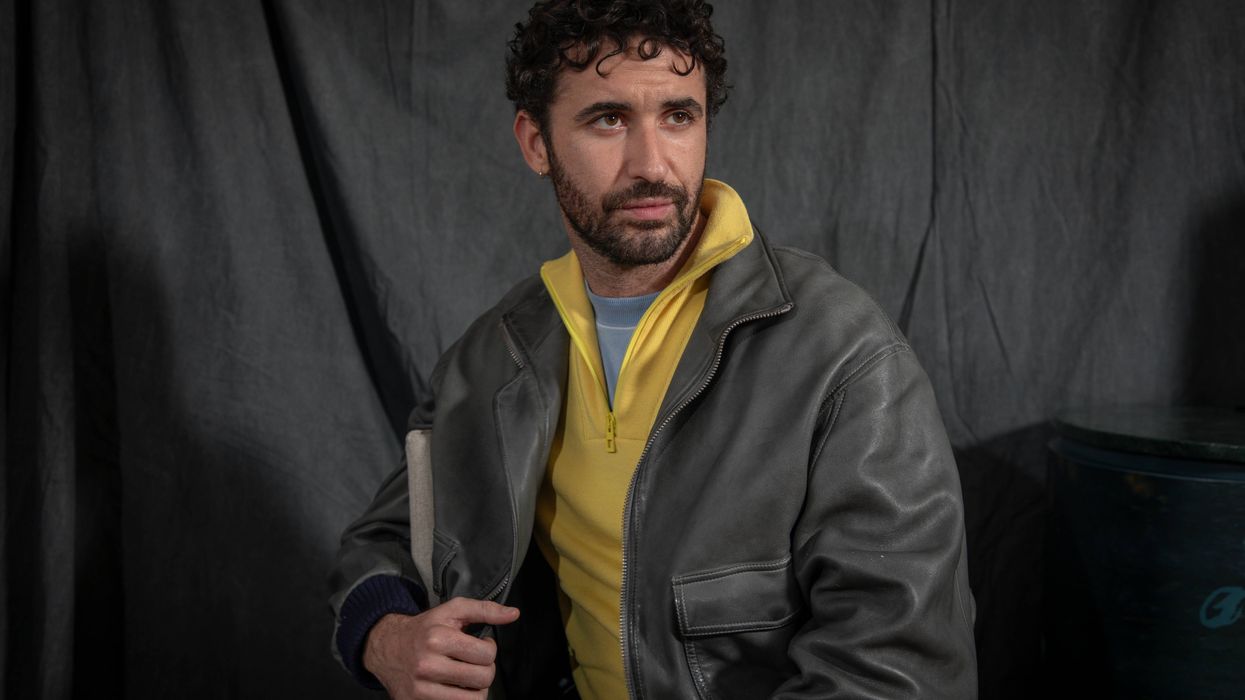
“It’s an electoral campaign to promote Nayib Bukele and portray him as if he’s a superhero. They're selling an Avengers movie,” said Salvadoran political communications strategist Roberto Dubon. “He's using Haiti as a testing ground to implement his policies on an international level.”
Bukele's political narrative
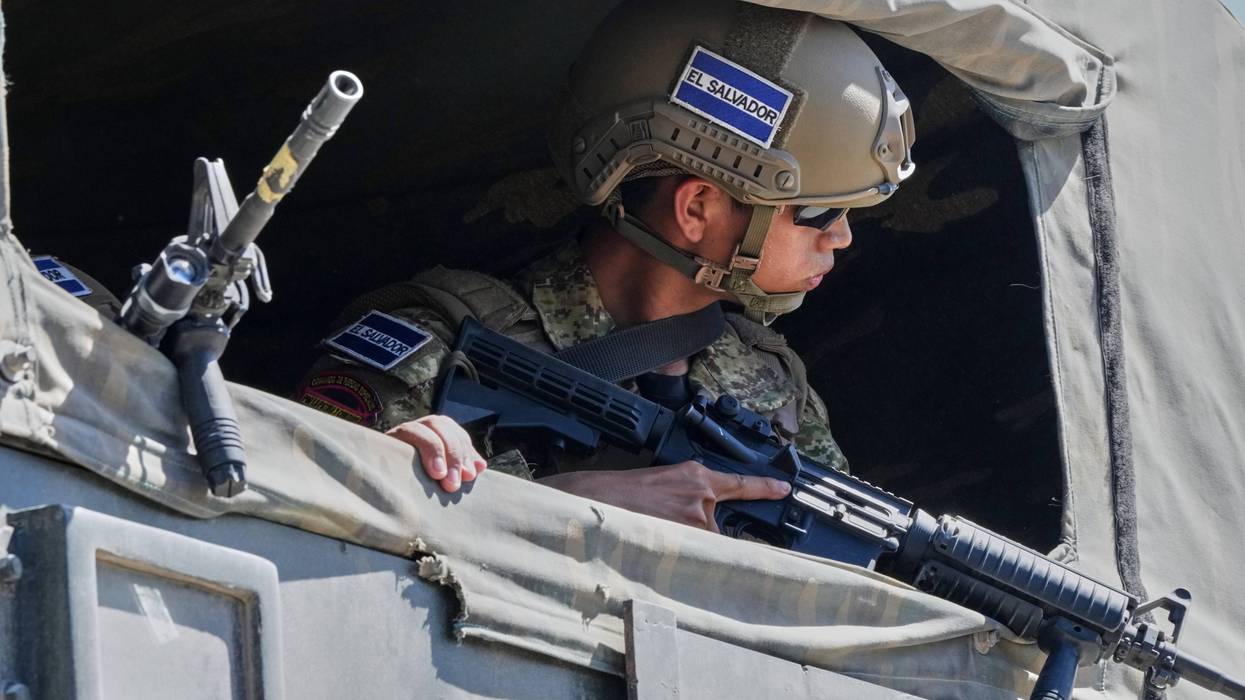
El Salvador ’s military offensive in Haiti began in mid-October, when four Salvadoran aviation technicians working with a U.N.-backed mission went missing in a gang attack. Since then, the government has sent 2,500 soldiers to the Caribbean country with little transparency or oversight.
The disappearances posed a challenge for Bukele, who gained international fame with a political narrative centered on beating back El Salvador’s gangs with a heavy hand.
As international scrutiny has mounted over the operation and a gang leader said that the four technicians are dead, the president’s narrative has shifted from rescuing the Salvadorans to eradicating Haiti’s gangs.
“We kept our promise,” Bukele posted on Tuesday, sharing a video of Salvadoran forces bombing a gang leader’s house after previously asking for the coordinates on X. “Most of them ran away without even trying to fight. What cowards!”
The tongue-in-cheek tone and images of soldiers mirror cinematic videos the government produces in its own country to craft a careful narrative around Bukele's gang crackdown, which has fueled accusations of mass human rights abuses.
In Haiti, just like in El Salvador, throngs of pro-government influencers quickly latched onto and magnified that message, said Dubon.
Juggling elections and international scrutiny
Meanwhile, Bukele gears up for February presidential elections, which he is all but guaranteed to win with fierce support for his crackdown on gangs. Polling puts approval for the president well over 90%.
Democratic concerns hang over the vote after the legislature controlled by Bukele’s party moved up elections from 2029 to 2027 and eliminated presidential term limits in the constitution — paving the way for the populist to stay in power indefinitely.
In the face of democratic criticisms, a lagging economy and Salvadorans normalizing newfound freedoms after years of not living in constant fear of the gangs, the Haiti offensive offers Bukele a tool to remind Salvadorans of his security wins ahead of the vote, said Luis Enrique Amaya, a Salvadoran security consultant.
“He has to construct this narrative of success (in Haiti) to strengthen his image as president,” Amaya said. “Bukele won’t allow even a centimeter of his popularity and legitimacy to be lost. Not even a millimeter, not a single vote.”
Bukele has toyed with the idea of taking his contentious anti-crime campaign abroad for years, but his current offensive is increasingly seen as a risky bet.
On Monday, the rights group Amnesty International called on El Salvador and Haiti's governments to publicly disclose the agreement allowing forces into Haiti, and to “comply with international human rights law." It warned of operations potentially exacerbating violence and affecting civilians.
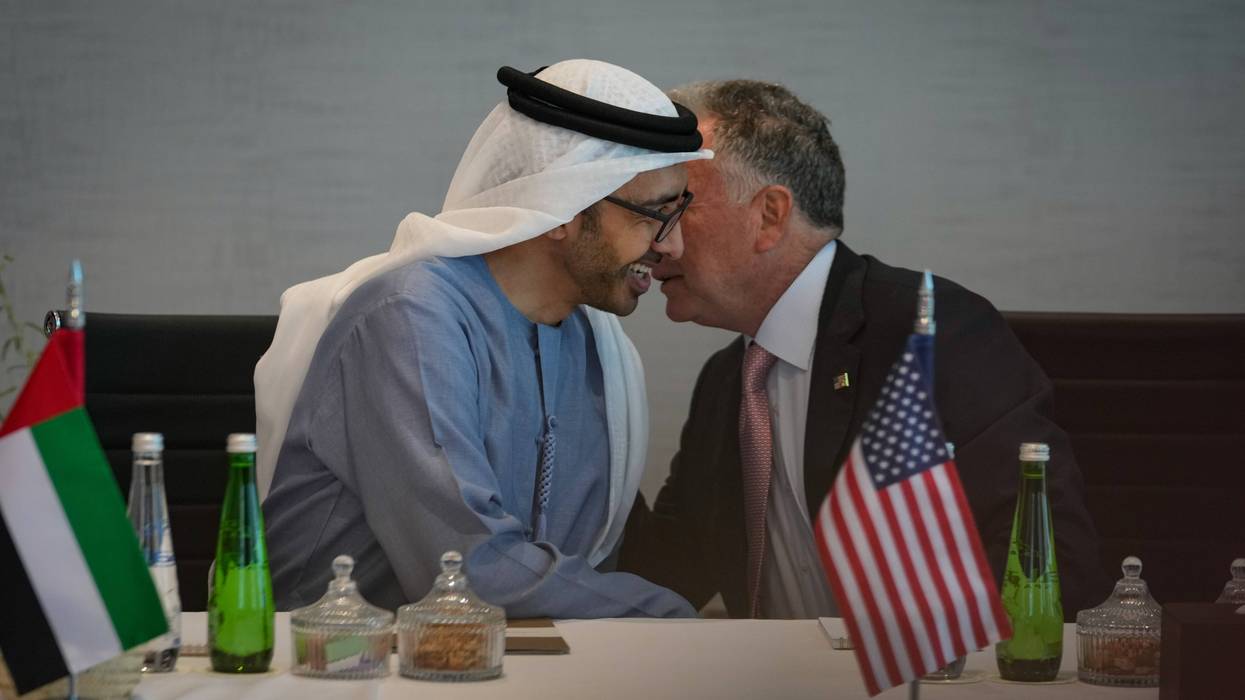
The same day, Bukele ally U.S. Secretary of State Marco Rubio distanced himself from the Salvadoran offensive when speaking to press, saying the U.S. was “not actively involved.” He threw his support behind the U.N.-backed gang suppression force, of which El Salvador doesn't form part.
“There is no plan B,” Rubio said.
Securing ‘quick, symbolic victories’ in convoluted conflict
Security experts like Diego Da Rin, Haiti analyst for International Crisis Group, have cast doubt on Bukele's ability to replicate his model to vanquish Haiti's gangs.
Bukele debilitated El Salvador's two powerful gangs by suspending key constitutional rights and detaining more than 1% of the small Central American nation's population. The Salvadoran investigative news organization El Faro, whose staff has since been exiled from the country, also reported that Bukele had negotiated with those gangs.
Haiti's gang warfare is far more convoluted. Roughly two dozen well-known gangs operate in Port-au-Prince and dozens more have launched deadly attacks outside the capital. They have spent years leeching off political turmoil and overwhelmed police forces to make power grabs and sow terror.
They wield weapons smuggled mainly from the U.S. and are far more well-armed than Salvadoran gangs once were. They are deeply entwined with some of the country’s political elite, making it nearly impossible for Bukele to replicate his war on gangs.
That will either push Salvadoran troops into an extended conflict or, more likely, push Bukele to make quick shows of force to project victory before retiring troops, said Tiziano Breda, an analyst with Armed Conflict Location & Event Data.
Breda warned that costs incurred by the foreign offensive — Bukele's government has said it's footing the bill — could fester resentment in El Salvador, where one in four people still live in poverty.
Da Rin said that Salvadoran troops could pressure Haitian police and international forces to better organize and more effectively push back the gangs, something they have failed to do for years. But he warned it could also push rival gangs to unite and form coalitions, as has happened in the past.
Similar to El Salvador's own war on gangs, that could have a human toll, he warned, especially if Salvadoran troops don't operate under strict rules like the U.N.-backed force.
“The Salvadoran troops' eagerness to secure quick, symbolic victories entails huge risks for civilians who can be caught in the crossfire,” Da Rin said.
___
Follow AP’s Latin America coverage at https://apnews.com/hub/latin-america