

Youngstown, N.Y. (WBEN) - "We're very fond of saying when soldiers first arrived here in 1726, they were armed with muskets. When soldiers finally left here in 1963, they were armed with missiles."
As the United States celebrates 250 years of independence in 2026, WBEN is taking a look back on Buffalo and Western New York's role in the history of the country.
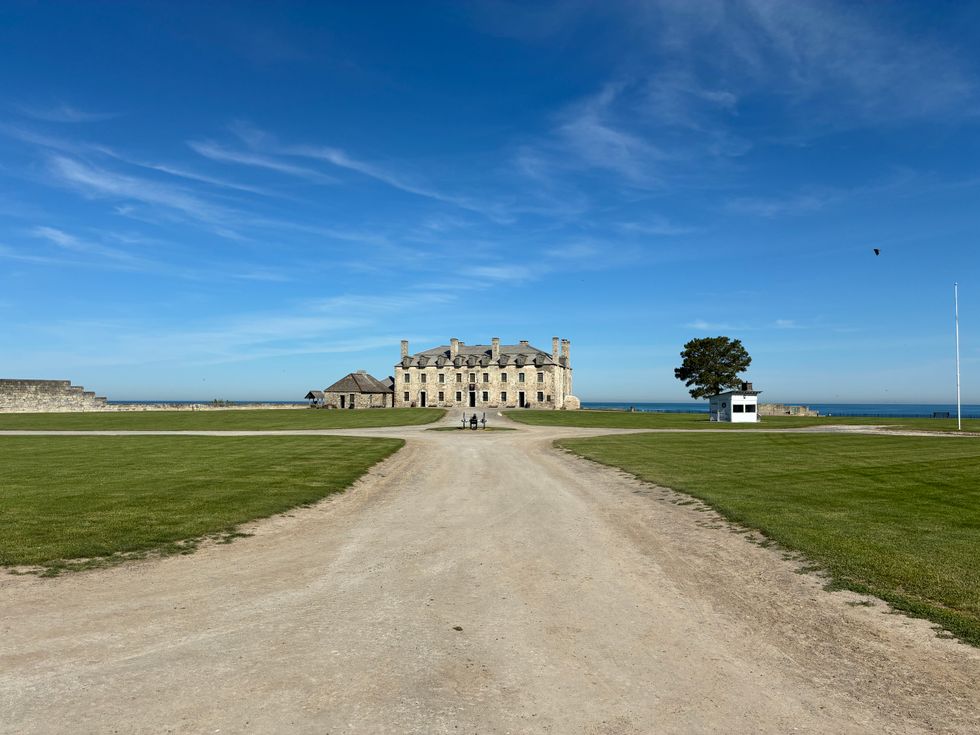
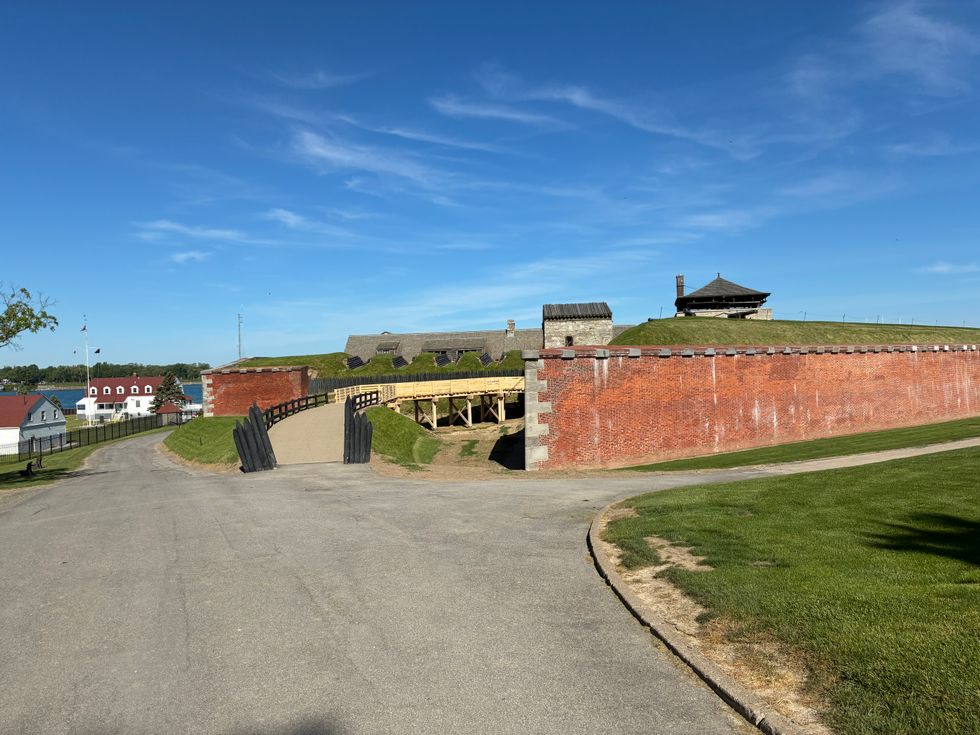
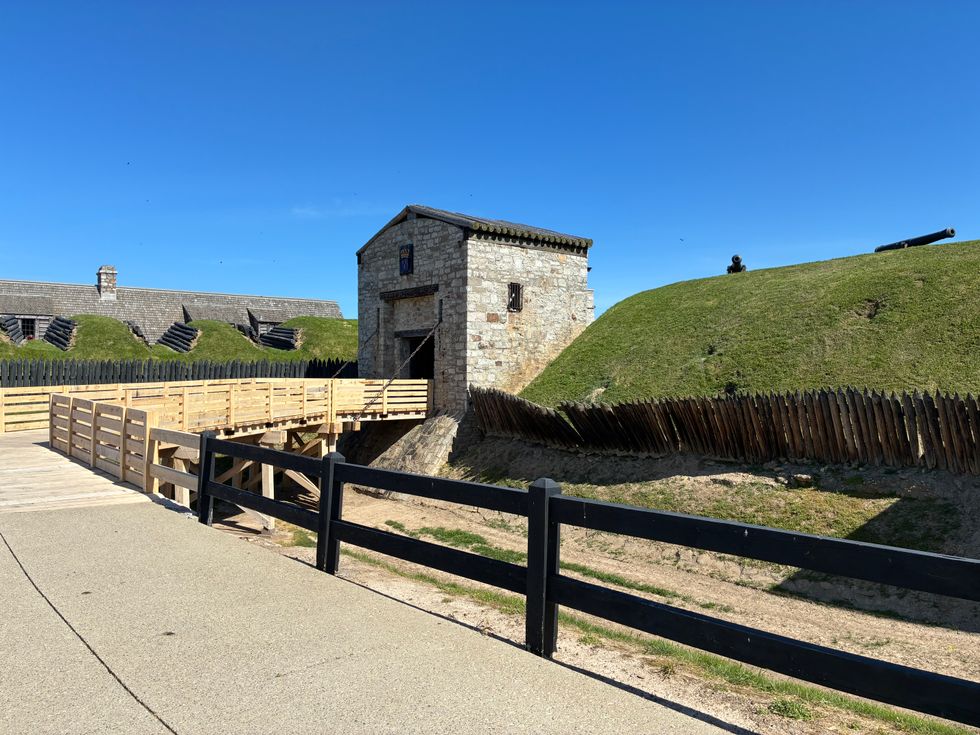
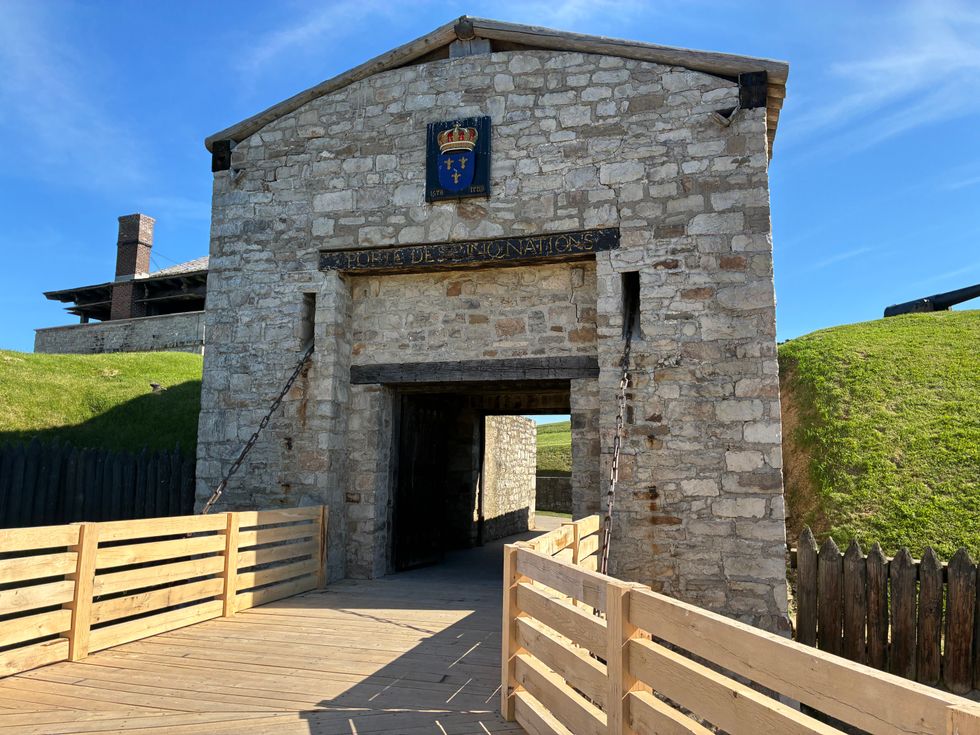
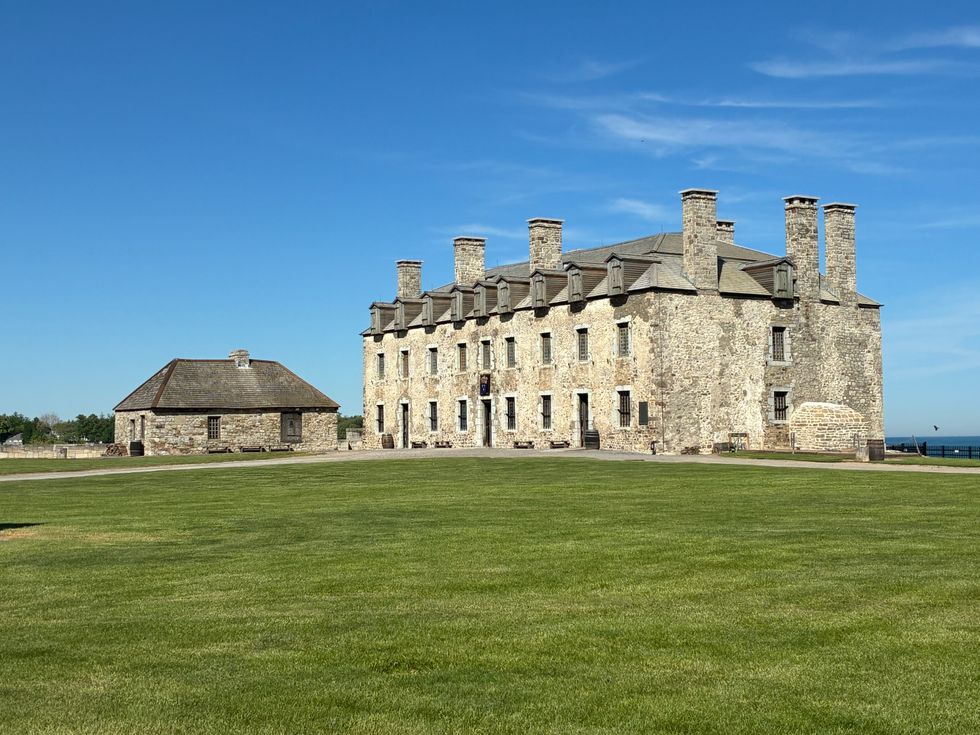
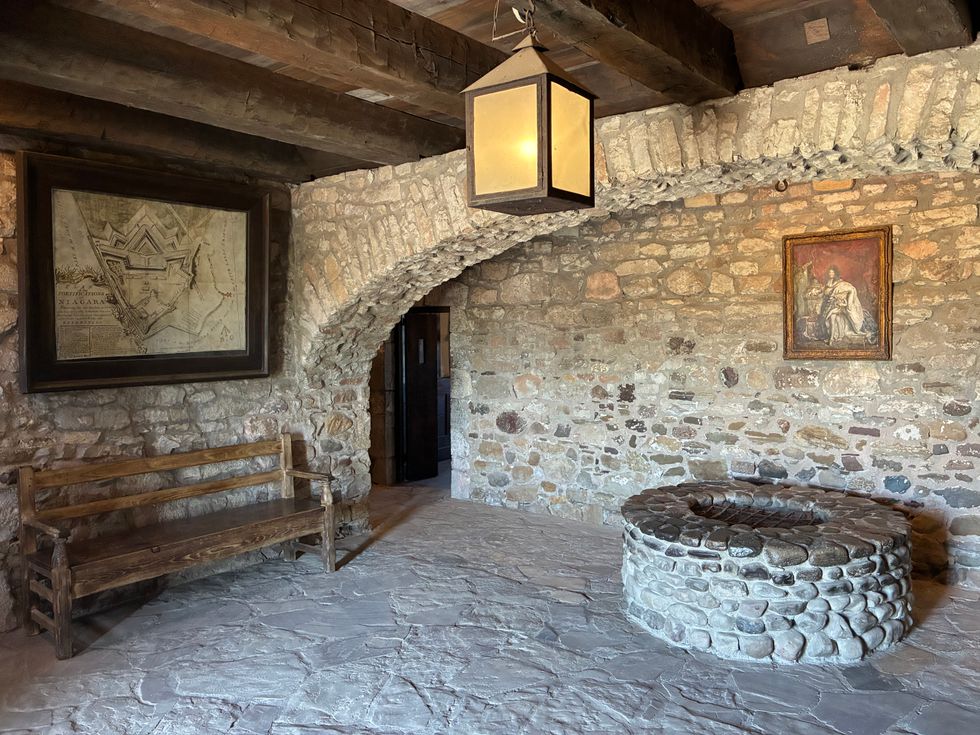
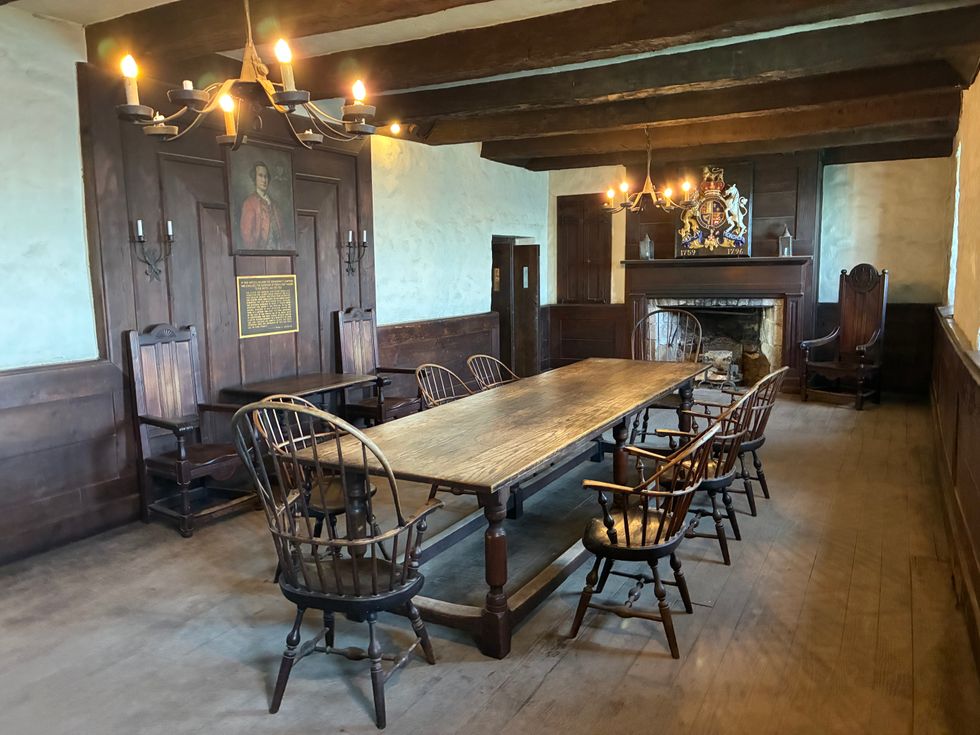
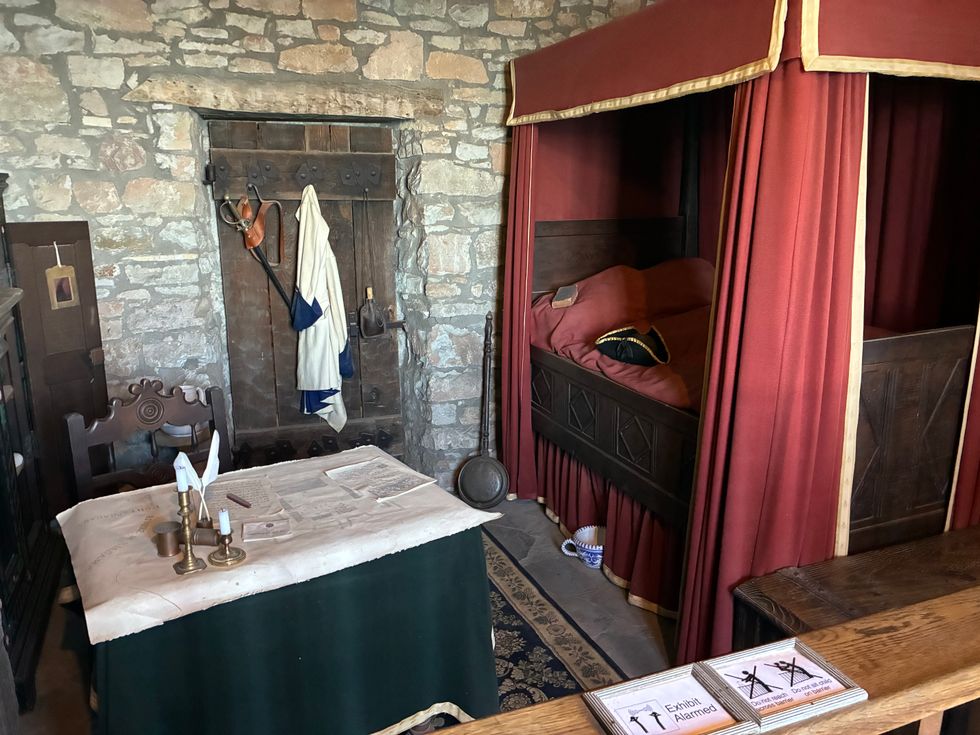
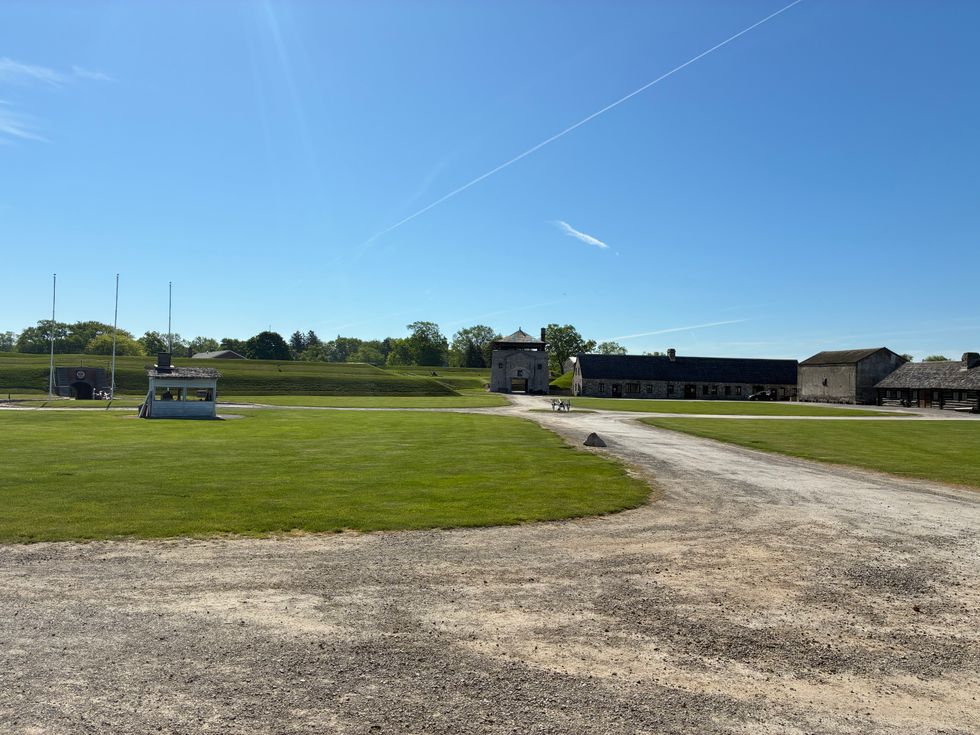
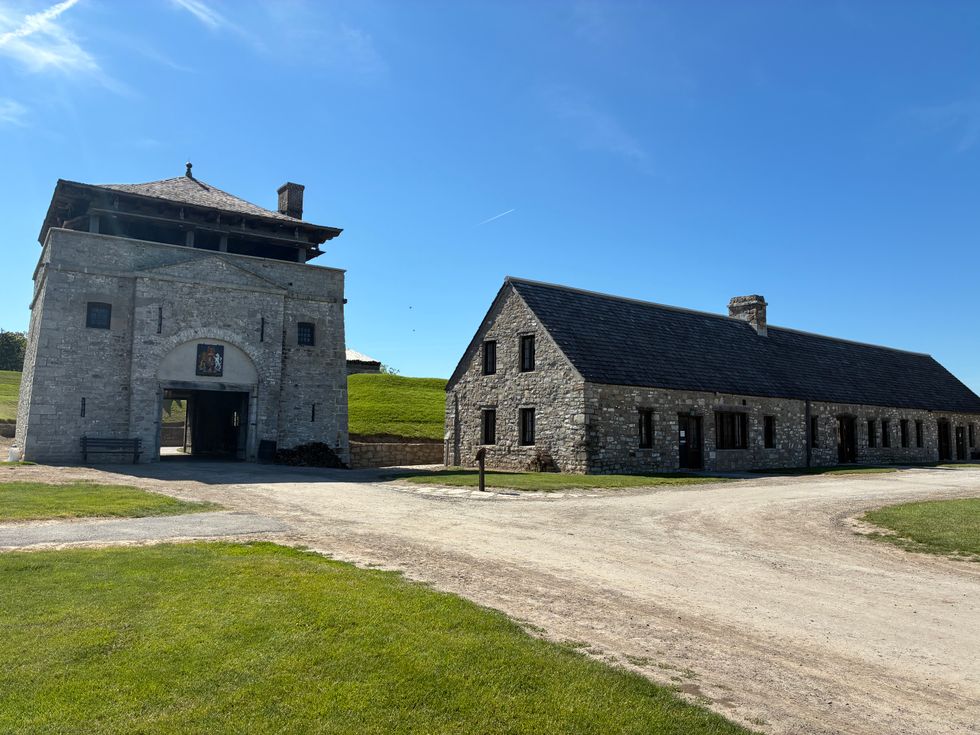
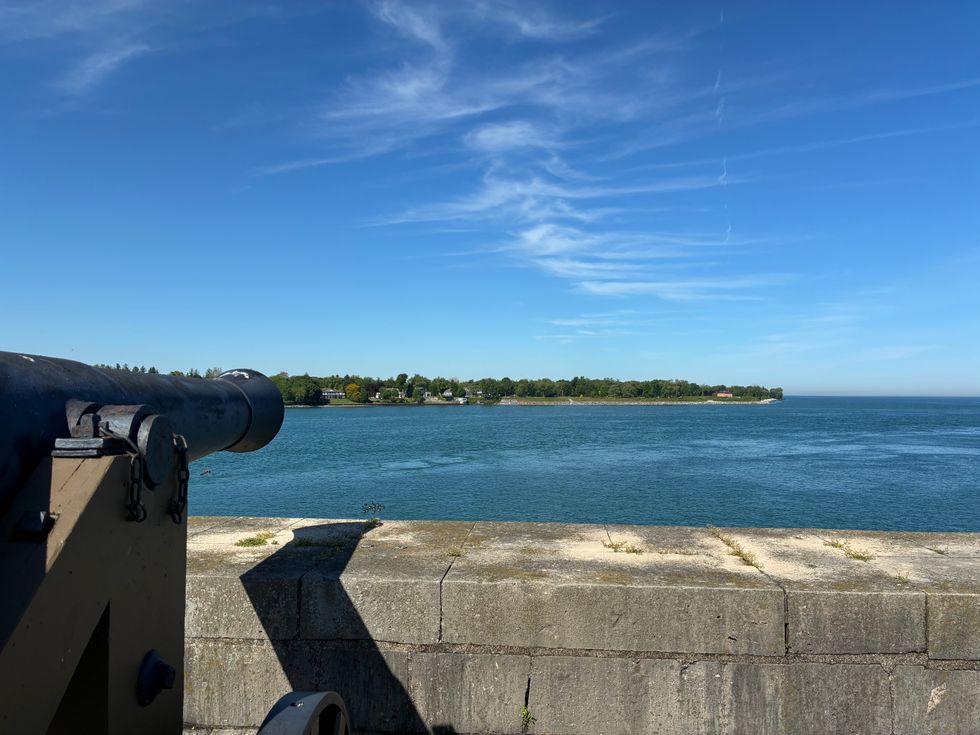
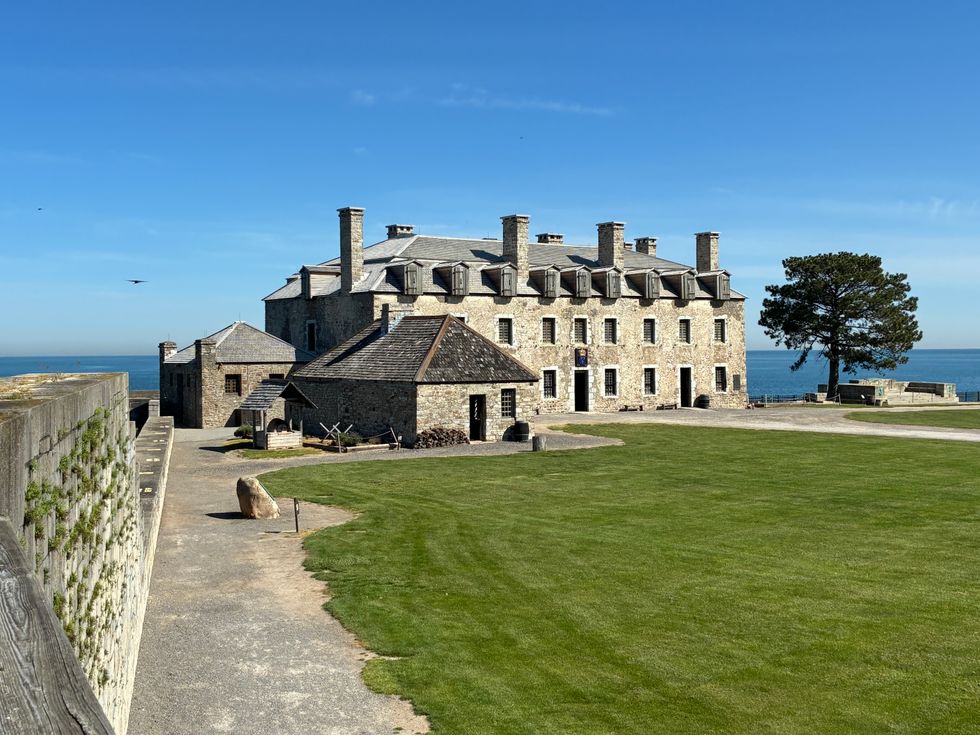
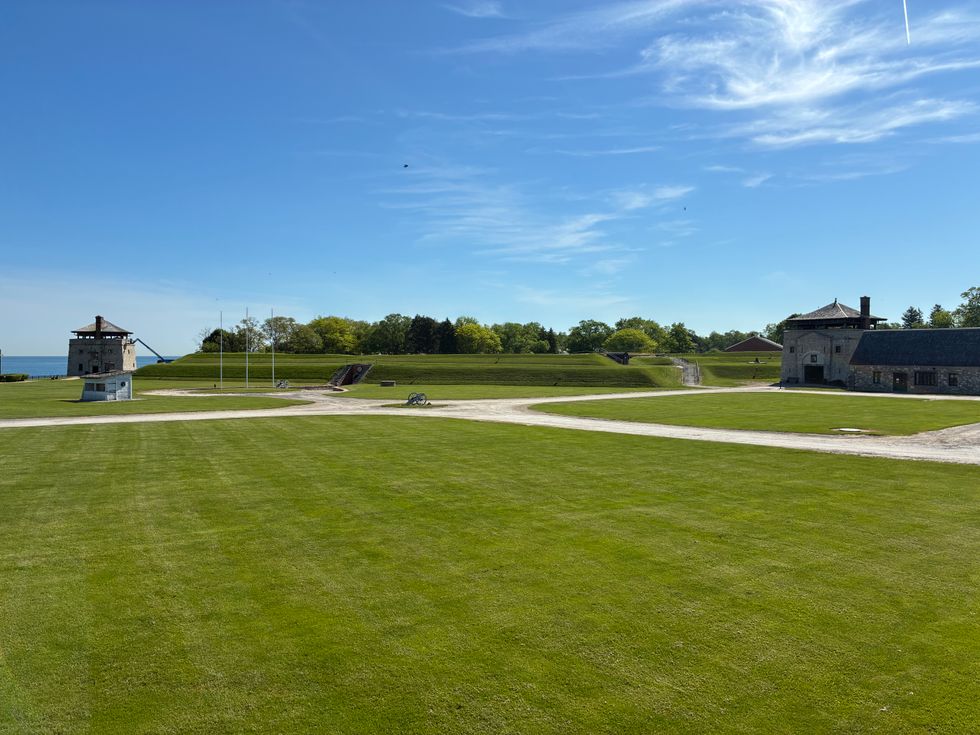
One site locally that actually pre-dates the United States by 50 years, and is still a testament to time in the region today, is Old Fort Niagara at the mouth of the Niagara River in Youngstown. The site is home to some of the oldest buildings not just in Western New York, but the entire Great Lakes region.
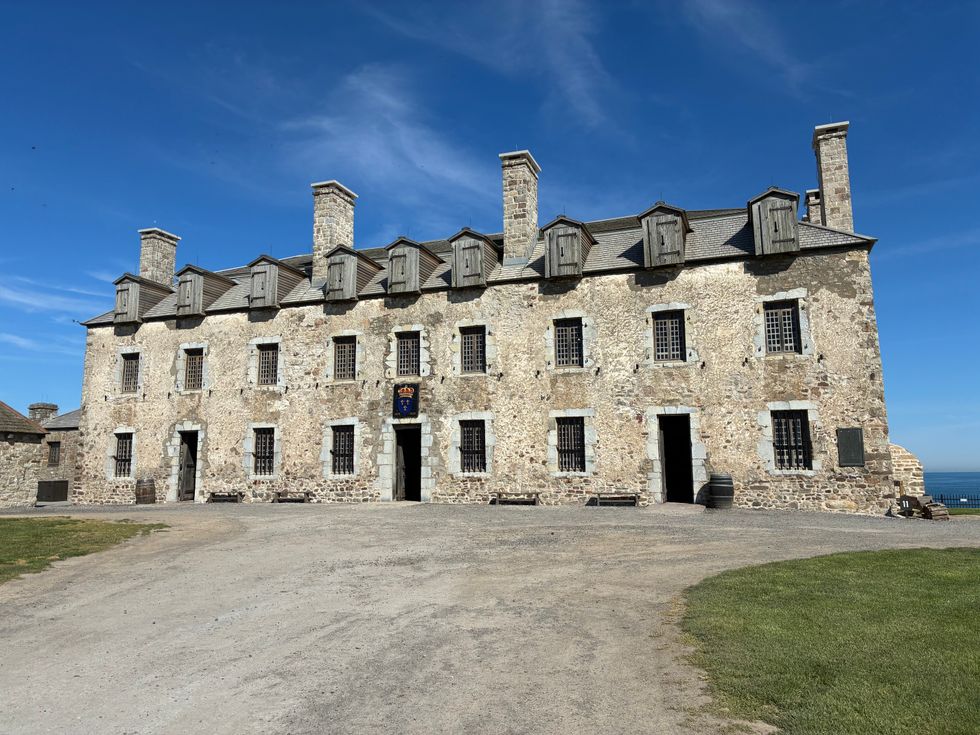
"The 300 years is really important, because there are very few things that are 300 years old that have stood the test of time," said Bob Emerson, executive director at Old Fort Niagara. "Most of the forts that stand in North America today, particularly 18th century forts, are reconstructions. They're not original buildings. Fort Niagara, for the most part, we're about 90% original buildings that were there in the 18th century. That's something that's very important to to consider. It's not a reconstruction."
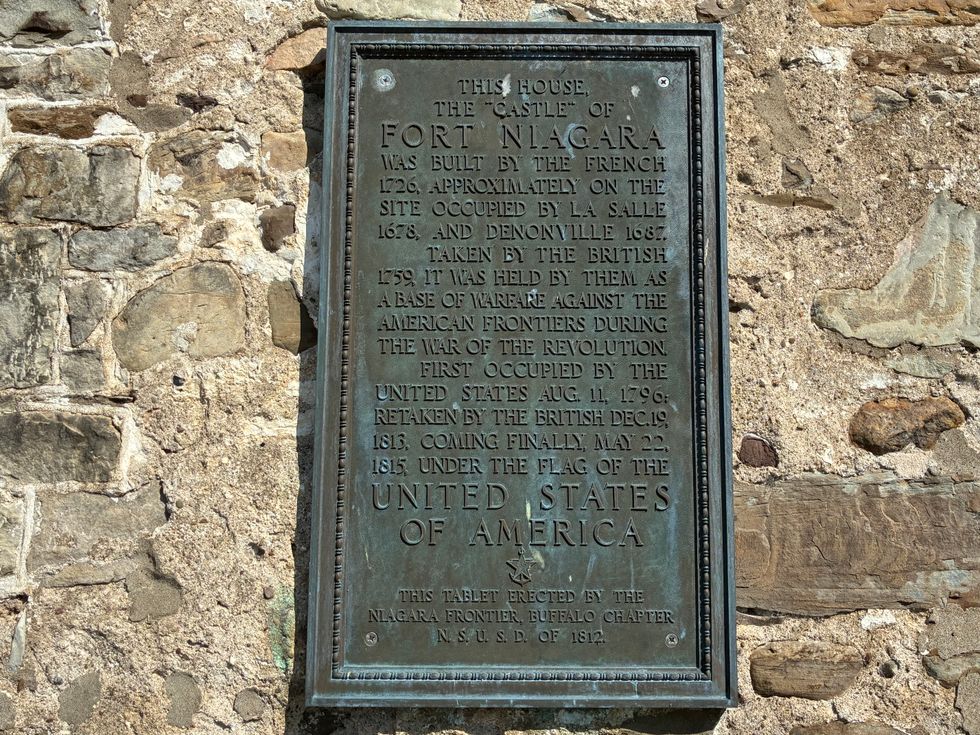
It was the French that were the first Europeans to explore the area in the earlier 1700s, and they wanted to keep the English out of the upper Great Lakes. That's when they established Fort Niagara in 1726 with the intention of building a substantial, permanent stone structure, now known as the French Castle. The structure was completed in October of 1727, and the French remained in control of the fort for 33 years until 1759.
"In 1754, the French and Indian War breaks out, and that's a conflict between the English and the French. Native Americans are very much involved in that conflict, they fight on both sides, as a matter of fact," Emerson noted with WBEN. "The English very early on decide they want to dislodge the French from this strategic location at the mouth of the Niagara River, but it takes them till 1759 - five years into the war - to accomplish that. But they do. After a 19 day siege, they capture the fort, the French are gone, and Fort Niagara becomes a British post until 1796."
The British were able to hold Fort Niagara through the entirety of the American Revolution, and it served as British headquarters on the Great Lakes. And the fort served several purposes during the Revolutionary War, particularly in the frontier war that was fought from New York into Kentucky.
"What's happening here is the British, first of all, they're convening councils with potential Native American allies because they're trying to recruit indigenous people onto their side, and they eventually accomplish that. And they're sending out war parties from Fort Niagara that strike everywhere from New Jersey, the Mohawk Valley in New York, down into Western Pennsylvania, down into the Susquehanna Valley in Central Pennsylvania," Emerson explained. "These were parties are devastating the frontier, and a lot of them are being supplied and organized here at Fort Niagara. So the fort has a huge role in this frontier conflict during the American Revolution."
After George Washington orders the Sullivan-Clinton campaign in 1779, where he devastates the territory of the Six Nations, Haudenosaunee refugees, who had to flee their homes, came to Fort Niagara, but the British were completely unprepared to feed and house thousands of people. Many of them starve to death or die of exposure over the winter of 1779 into 1780.
At the end of the war in 1783, Britain agrees to American independence, but leaves the Haudenosaunee people completely out of negotiations, forcing them to move to reservations or into Canada.
The Haudenosaunee were not the only people looking for refuge during the American Revolution, though.
"Anglo-Americans, who remained loyal to the king - they called themselves 'Loyalists', their enemies called them 'Tories' - many of them also fled to Fort Niagara. And when they got here, many of them joined military units such as Butler's Rangers that operated out of here. And these guys were going in these war parties that were raiding the frontier as well," Emerson noted.
The British did not leave Fort Niagara until 1796 - 13 years after the war - until a treaty conveyed the fort to the United States.
"That was because there were treaty disputes that had to be worked out. They finally did get worked out by 1794, and in 1796, U.S. troops march in to Fort Niagara. The British go across the river, and they established Fort George in, what's now, Niagara-on-the-Lake," Emerson said.
The history of Old Fort Niagara doesn't stop after the American Revolution, though.
In June of 1812, the United States declares war on Great Britain over issues related to impressment of sailors, as well as the British arming Native American war parties on the frontier. That put Fort Niagara back on the front line in the Great Lakes.
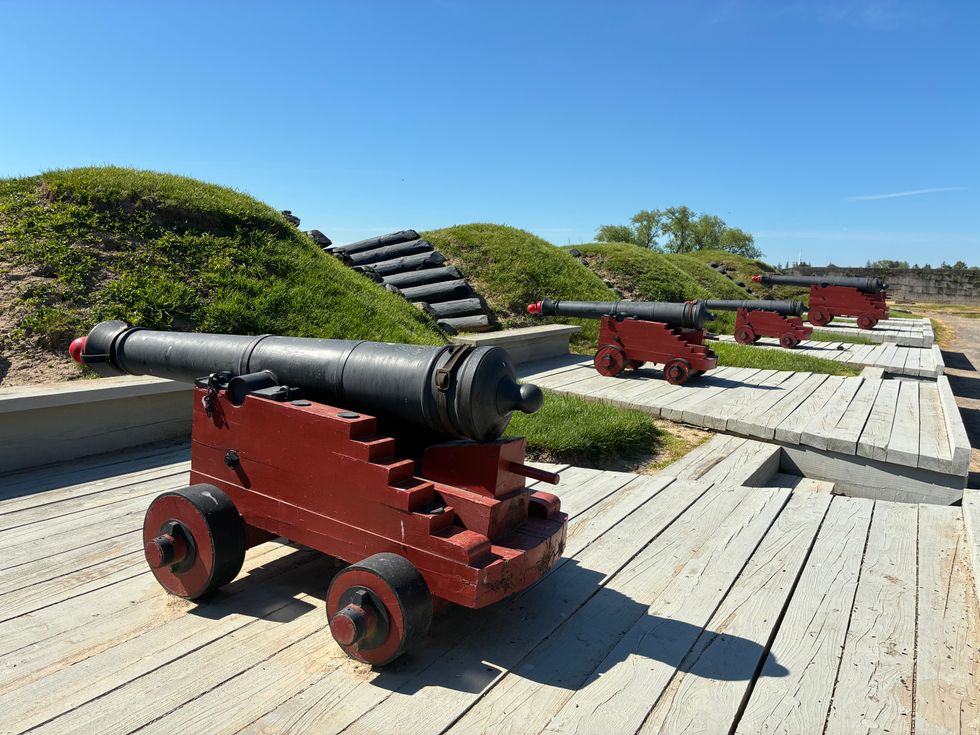
"We've got this British fort 1,300 yards away in Canada, and in the fall of that year, Fort Niagara trades artillery cannonades with Fort George," Emerson detailed. "Fort Niagara supports an invasion of Newark - Niagara-on-the-Lake today - in May of 1813, Fort George is captured. But by the end of the year, the U.S. withdraws from Canada, and the British decide to take revenge. They go across the Niagara River upstream, out of sight, at night, they march on the fort. And at 5:30 in the morning on Dec. 19, 1813, they attack Fort Niagara, which is unprepared. The U.S. troops here had been prepared for an attack the day before, but they let their guard down when it did not come, and in about 30 minutes, the British have captured Fort Niagara from the U.S."
The fort remained in British hands until the end of the war, and in 1815, the U.S. marched back in, and the fort remained in the hands of the Americans ever since.
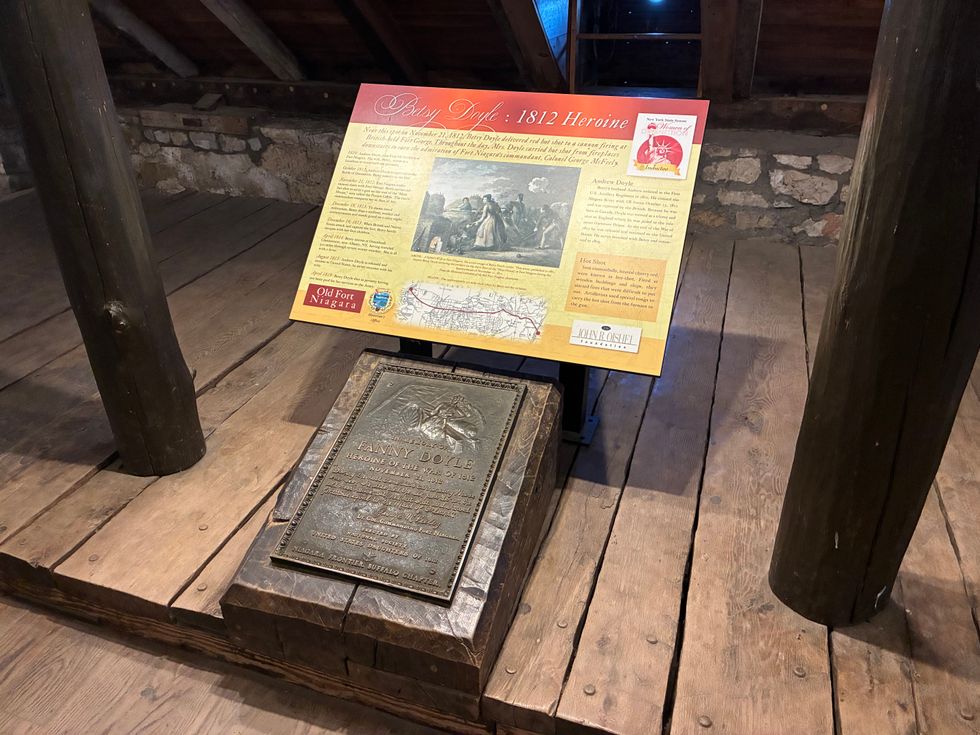
It was at Fort Niagara during the War of 1812 that saw one of the legend of Betsy Doyle come to life.
"Fort Niagara's famous heroine, whose name is Betsy Doyle, emerges from this episode when she helps load hot shot into a cannon on the roof of the French Castle. She's compared to Joan of Arc in the Commandant's Dispatches, sort of a famous heroine here at the fort," Emerson said.
The fort's use was no where close to done, though, as it proved to be of use for the United States all the way into the 1960s.
In the American Civil War, Union troops who were paroled were stationed at the fort.
"They were captured in New Mexico in July by the Confederates, and they end up here at Niagara in November - talk about climate change! The Union is concerned about the British aligning with the Confederacy, so they build up these border outposts along the Canadian border. So Fort Niagara gets a lot of brick walls and renewed fortifications," Emerson noted.
After the Civil War, the old fort becomes obsolete, but the U.S. Army keeps finding new purposes for Fort Niagara.
"They had a 1,000-yard rifle range here that troops came here to train from all over the country, train in marksmanship, World War I, they built a trench system to train officer candidates in trench warfare that had been raging in Europe, but the U.S. Army was not used to that. World War II, there was an induction center here. If your parents or grandparents enlisted in the army in World War II, they probably did it here," Emerson said. "And then later on in World War II, there was a prisoner war camp - about 2,800 German and Austrian prisoners of war were interned here for a couple of years.
"Following World War II, again, the post reinvents itself. During the Cold War, the big fear is Russian bombers. There's a lot of industry in in Western New York at that time, and it's going to be a prime target for Russian bombers. So this area is ringed with NIKE anti-aircraft missiles, and the headquarters for those installations was here at Fort Niagara."
The fort was finally decommissioned by the U.S. Army in 1963.
Emerson feels it's important to keep public virtue in mind when looking back on the history of the nation and, more specifically, sites like Old Fort Niagara.
"I think the knowledge of history is almost a prerequisite for public virtue. If you don't know the country's past, you don't know what has been accomplished. You have no frame of reference for making decisions today," Emerson said. "To be a good citizen, you need to know history. And the best way to learn that history is to visit a historic site like Old Fort Niagara, because it's so immersive."
Emerson's goal with a site like Old Fort Niagara is leaving visitors with a sense of wanting to learn more.
"You can read about something on a page, but when you come and you see it and you see it recreated, the sights and the sounds - even the smell of wood smoke takes you back - those are multi-sensory experiences, and it really helps people dive into the history more so than just reading it in a book," he said.
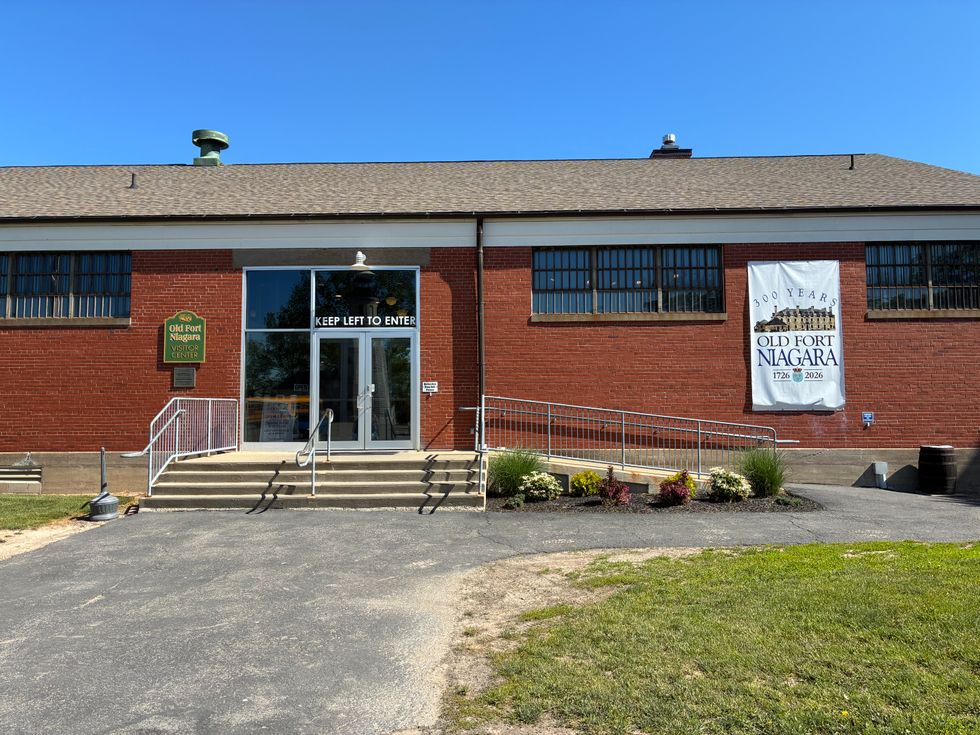
This weekend is a significant one for Old Fort Niagara, as the site officially celebrates its 300 years, rain or shine. It all starts with the recreation of the arrival of the French on June 8, 1726.
"We have the French engineer who oversaw the construction of the fort, he was a man named Gaspard-Joseph Chaussegros de Léry. We have somebody portraying him, he has a military escort. We're using a sailing vessel built by the Buffalo Maritime Center, the USS Trippe, and it will be standing in for one of the French ships that were called barques, that brought de Léry and his crew here," Emerson said. "We'll be landing, marching up into the fort, and then we have a whole day of programming. We have Haudenosaunee dancers here, we have an 18th century women's fashion show, which should be fun."
Then at 2 p.m., there will be a special ceremony to rededicate the historic French Castle.
"We have dignitaries coming in. The President of the Seneca Nation [J.C. Seneca] is joining us, the Consul General of France [Cédrik Fouriscot] is joining us, Congressman Tim Kennedy (D, NY-26) is going to be here, and we have Gary Zalepa, the Lord Mayor of Niagara-on-the-Lake. So we have a whole raft of dignitaries coming to take part in celebrating this 300-year anniversary," Emerson noted.
The site opens to the public at 10 a.m. and is open until 4 p.m. on Saturday. Here is a complete rundown of programs and events for the day's festivities:
- 11 a.m. - Arrival of Gaspard-Joseph Chaussegros de Léry aboard the USS Trippe.
- 11:30 a.m. - Interactive Military Engineering Demonstration
- 12 p.m. - Dance Performance Haudenosaunee Dancers
- 1 p.m. - Recreation of Council Between Seneca Diplomats and French Commander
- 1:30 p.m. - French Women’s Fashion 1720-1760
- 2 p.m. - Rededication of the French Castle
- 3 p.m. - Artillery Salute
- 3:30 p.m. - Harpsichord Recital
Ongoing: Period masonry, blacksmithing, woodworking, swordsmanship, tin smithing, gunsmithing, leather working, and weaving
VISUAL HIGHLIGHTS:
- 10:30 a.m. - USS Trippe in view offshore from the Fort
- 11 a.m. - USS Trippe docks at US Coast Guard Station Niagara, de Lèry and military escort land.
- 11:05 a.m. - French military party exits Coast Guard Station and marches up the hill into the Fort
- 12 p.m. - Haudenosaunee Dance Performance on the Parade Ground.
- 2 p.m. - Rededication Ceremonies by VIPs.
- 3 p.m. - Artillery Salute
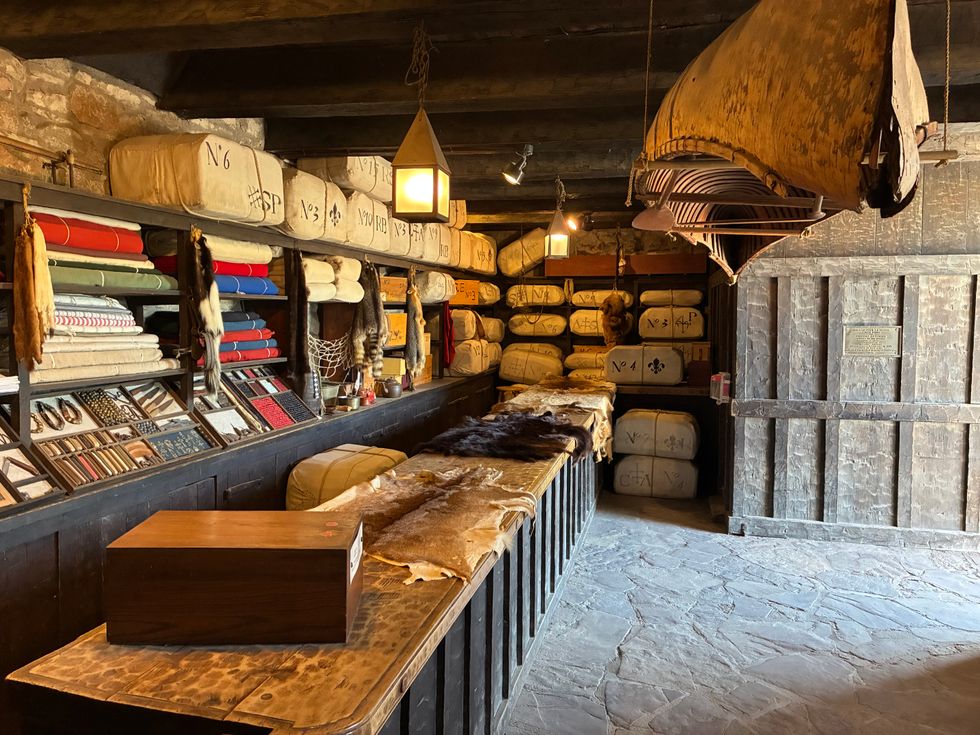
"We have daily living history programs that recreate the lives of people who lived here. Not only soldiers, but there were artisans who lived here, there were women who lived here, children who lived here. So you really get some insight into what life was like for those early pioneers in our region. That's very important," Emerson said.
Old Fort Niagara will also be hosting a recreation of the siege at the fort during the French and Indian War over July 4th Weekend. It will also play host to Niagara County's official America 250 event on Aug. 1, which will have an evening of musical entertainment and a drone light show after dark. Then over Labor Day Weekend, the fort will host a War of 1812 encampment.
"We're open daily from 10 a.m.-to-4 p.m. In July and August, it extends to 5 o'clock," Emerson added. "A lot of information on our special events, our hours and our programs can be found at OldFortNiagara.org,"

OLD FORT NIAGARA