



BUFFALO, N.Y. (WBEN) - Reforming elements of the Buffalo Police Department is an endeavor which will take time and many conversations about what the best practices should be.
One element of these conversations asks what is the best way to handle community policing, and whether or not there should be more or fewer police officers roaming the streets. Some may argue the presence of police officers alone escalates tensions in the community while others argue there needs to be more police officers.
"At the end of the day, there needs to be a right balance," Brian Patterson, the former chief of Buffalo Police's B-District and current Criminal Justice Professor at Medaille College, said. "You need the right mix of officers to do the job and every municipality has to assess if they have that right mix."
Buffalo Police Captain Jeff Rinaldo spoke about the topic on Thursday, his last day as a member of Buffalo Police. He said the conversations about reforms should be slated toward the numbers of officers.
"As a police officer, you have a job to do and it's a very dangerous job," Rinaldo said. "As such, there are times that responses to certain crimes require a higher number of officers where as lesser issues - criminal mischief and things of that - utilize less officers. I think departments are sensitive to optics in 2021, clearly they are...Our job isn't tied to that. Reforms should really be centered around what is a constant, ever-evolving conversation with the communities in which we police about what those people's expectations are for their police forces and what are the priorities of that community?"
For example, issues facing rural areas may be people speeding off the interstate. But he said those living in urban areas couldn't care less about speeding cars and are, instead, worried more about issues like violent crime.
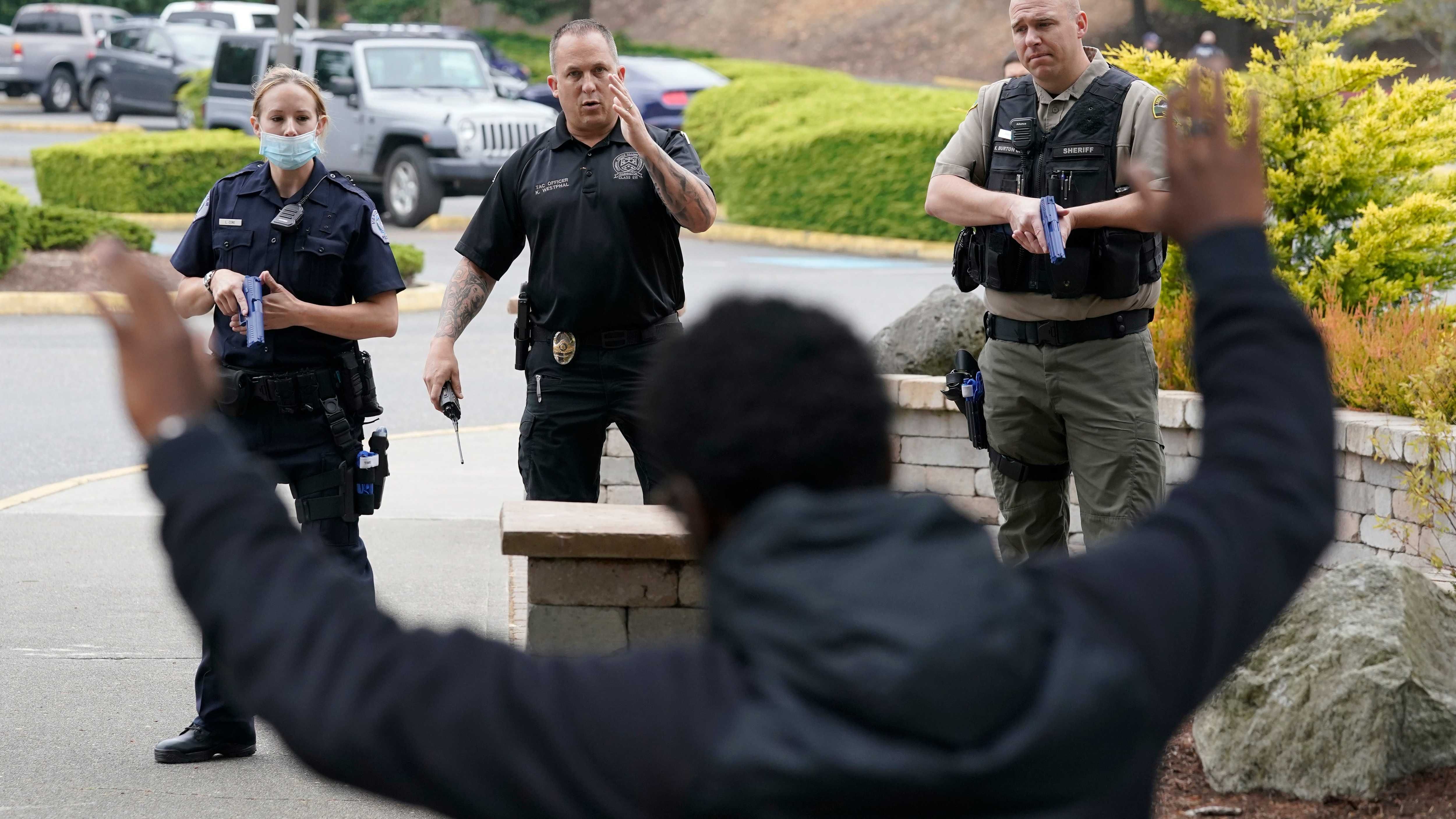
One ongoing theme of our conversations with both Patterson and Rinaldo was about training for police officers. Patterson, who spent 20 years with police, was among those appointed to a group last year to explore reforms for the department last year. He said they obsessed over the element of training.
"Can they connect with the citizen in a way that improves the short-term relationship they have with that citizen?" Patterson said. "The key is for the officer to connect in that short-term with a citizen in a way where the citizen walks away feeling like they were heard and the officer was transparent and the process was fair. Are we producing a procedurally just officer?"
Patterson said there needs to be an emphasis on de-escalation, or as he called it "verbal judo". He also said police need to be culturally competent and to have all officers follow the constitution. By doing those four things, Patterson believes it sets the foundation for positive change and legitimacy in the community.
"I think training is extremely important in policing," Rinaldo said. "It absolutely is. There is literally changes and legal updates and things happening weekly, monthly, that as a police officer, you not only have to be aware of, you have to understand."
Despite training, there may, and likely will be, instances where police are accused of overstepping. That's why Rinaldo said it's important for citizens who are upset with police to engage in conversation at the community level and invite community police officers.
"Explain to the police why you're upset," Rinaldo said. "Explain to the police why you're not happy with the level of service. Give them the opportunity to handle those questions. I think there's too much pressure and too much people accusing police and think all the world's evils are the fault of police. It's just not true. I think if you take the emotion out of things and are willing to have a conversation and you're willing to let people see your perspective, I think that's how police and community will work together best to find that common ground...Every police officers wants to live and raise a family in a safe community. We have a common goal. Let's just work together to getting there."
Listen to more of our conversations with Rinaldo and Patterson below: