



BUFFALO, N.Y. (WBEN) For the past 55 years, convenience stores have been helping New York State build the lottery into a 10 billion dollar a year enterprise.
But now the State Gaming Commission has decided that lottery players can bypass the convenience store.
"The revenue from the sale of a lottery ticket is not a bonanza," said Jim Calvin, Executive Director of the New York Association of Convenient Stores. "The retailer gets to keep six cents on the dollar. It has been six cents on the dollar since the lottery first started in 1967."
Convenience stores were the only places you could buy a lottery ticket
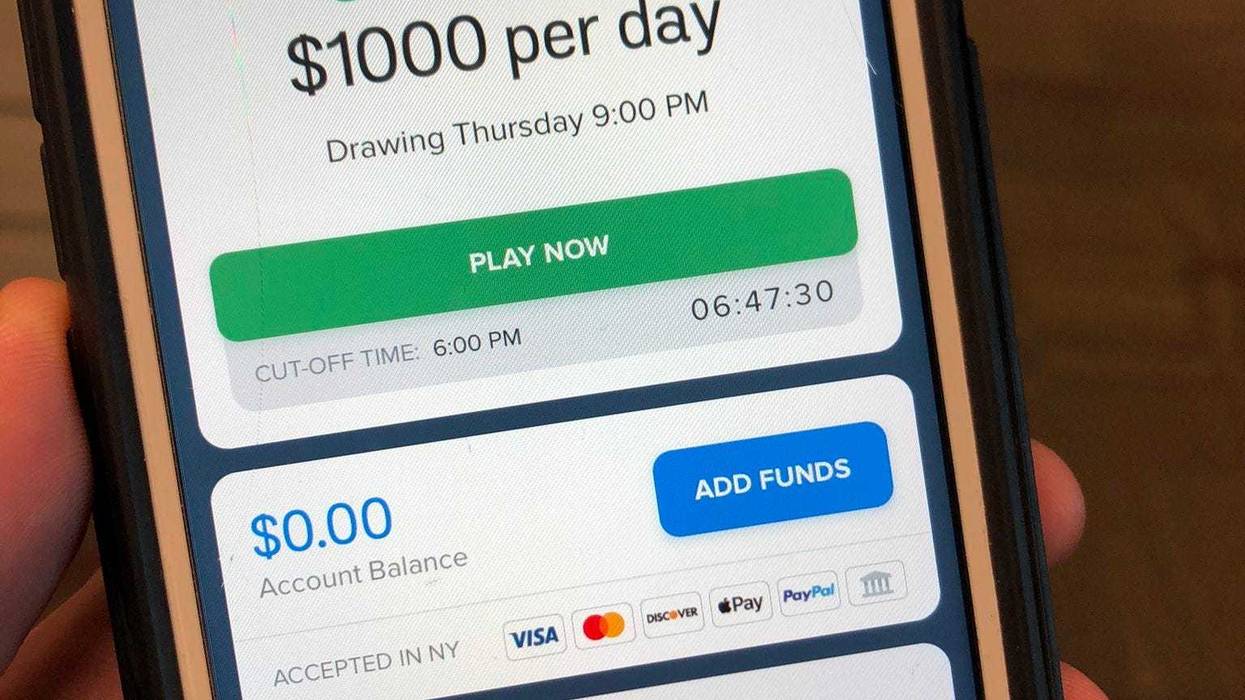
until recently when New York lottery drawings like Mega Millions, Powerball and Lotto became available on a mobile app. Instant scratch-off tickets are expected to be available on mobile devices soon.
"We're still reviewing the options we have," said Calvin. "We tried to convince the gaming commission that this is shortsighted and a mistake that would hurt retailers who have helped build the lottery of the past 55 years, but to no avail. They ignored all of our comments." He thinks retailers will ultimately have to decide whether remote sales of lottery tickets are cutting into their lottery business to the point that they'll have to drop lottery sales.
"Lottery is a traffic builder for the retailer. When lottery customers come into the store, they buy coffee or a newspaper or a snack. "That's what concerns us the most. Losing that traffic and the ancillary sale from the traffic," said Calvin.
Lottery proceeds fund education in New York State. A portion of education. About 30 percent of traditional lottery proceeds and 48 percent of video lottery proceeds go to the education fund. The rest goes to winners, retailer commissions, operating expenses and contractors.
Buying lottery tickets has largely been a cash operation in New York. That has changed with the introduction of the lottery app by couriers such as Jackpocket. Could it lead to convenience stores accepting credit cards? "I don't think so," said Calvin. "We're required to make sure that no one under 18 buys a lottery ticket. We do that with face to face interaction. But there won't be any face to face interaction with lottery courier services." He calls it a double standard. "If we inadvertently sell a lottery ticket to a minor, it's a crime, not so with these lottery courier services."


