

BUFFALO, N.Y. (WBEN) - When it was announced Thursday that about 350 Afghan refugees would be arriving in Buffalo, five agencies making up the refugee resettlement consortium in the Buffalo area, had their work cut out for them.
The refugees are classified as "humanitarian parolees." A term that has a
negative connotation attached to it.
"That is the legal definition assigned to this group of people," said Lauren
McGuire, Director of Development for the International Institute of Buffalo.
"We're using the term 'evacuee'. But what's most important is that we recognize them are human beings."
McGuire says these are people who have fled their country with often just the clothes on their back. "They have experienced extreme violence, extreme poverty and extreme trauma. Our responsibility is to see them as human beings and treat them as human beings and as neighbors."
Unlike other refugees or immigrants, the evacuees from Afghanistan will not be eligible for government services or access to government programs.
"Humanitarian parolees are disqualified for many benefits that a person with refugee status would have when they enter this country which means they won't be eligible for things like medical care, housing support, nutrition assistance; basic things that folks would need to start a new life here in the United States," said McGuire.
How do these agencies counter negative attitudes toward refugees, asylum-seekers and those who flee countries and cross borders for new lives?
"I would encourage those who have fears or are skeptical about this group to listen to the voices of the Afghan community that is already in Buffalo," said McGuire. "Listen to their stories and think about how you would respond if you or your family was in that situation."
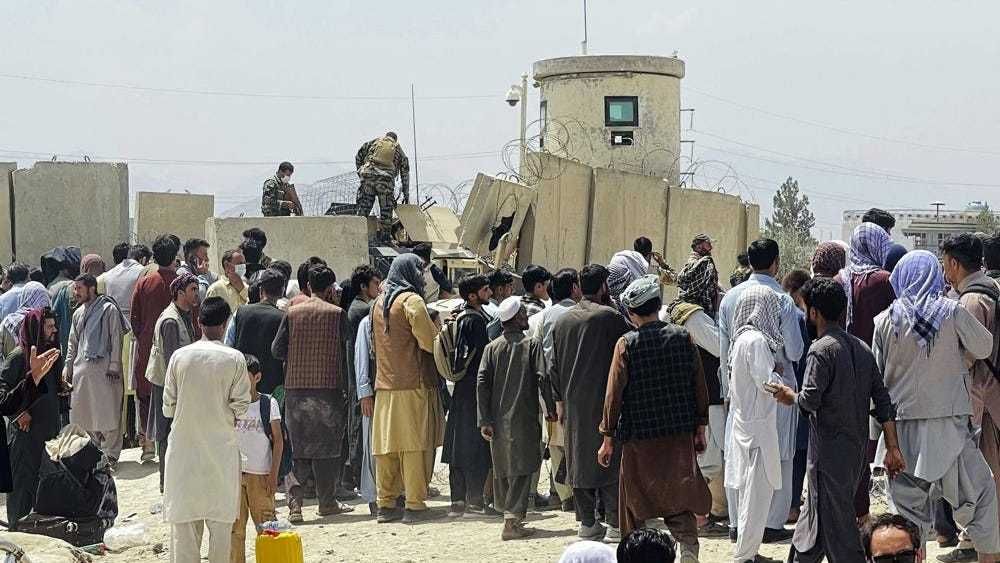
Without government help, how are local refugee resettlement agencies able to bring these evacuees here?
This is a unique crisis and it calls for a creative response. For the first time ever, the five agencies that support refugees, are coming together in a unified campaign to support this effort. "We're coordinating our fundraising and building community support around this population. The groups have formed a website on how to make a donation or volunteer to support this
population. They are also looking for leads on housing and in-kind gifts.