



Buffalo, N.Y. (WBEN) - The United States immigration policy has now changed. Title 42 expired last Thursday and has now reverted back to Title 8, with new restrictions.
Title 42 has allowed U.S. Border Patrol to turn away immigrants attempting to seek asylum since the beginning of the COVID pandemic in March 2020 on the grounds of preventing the spread of the virus.
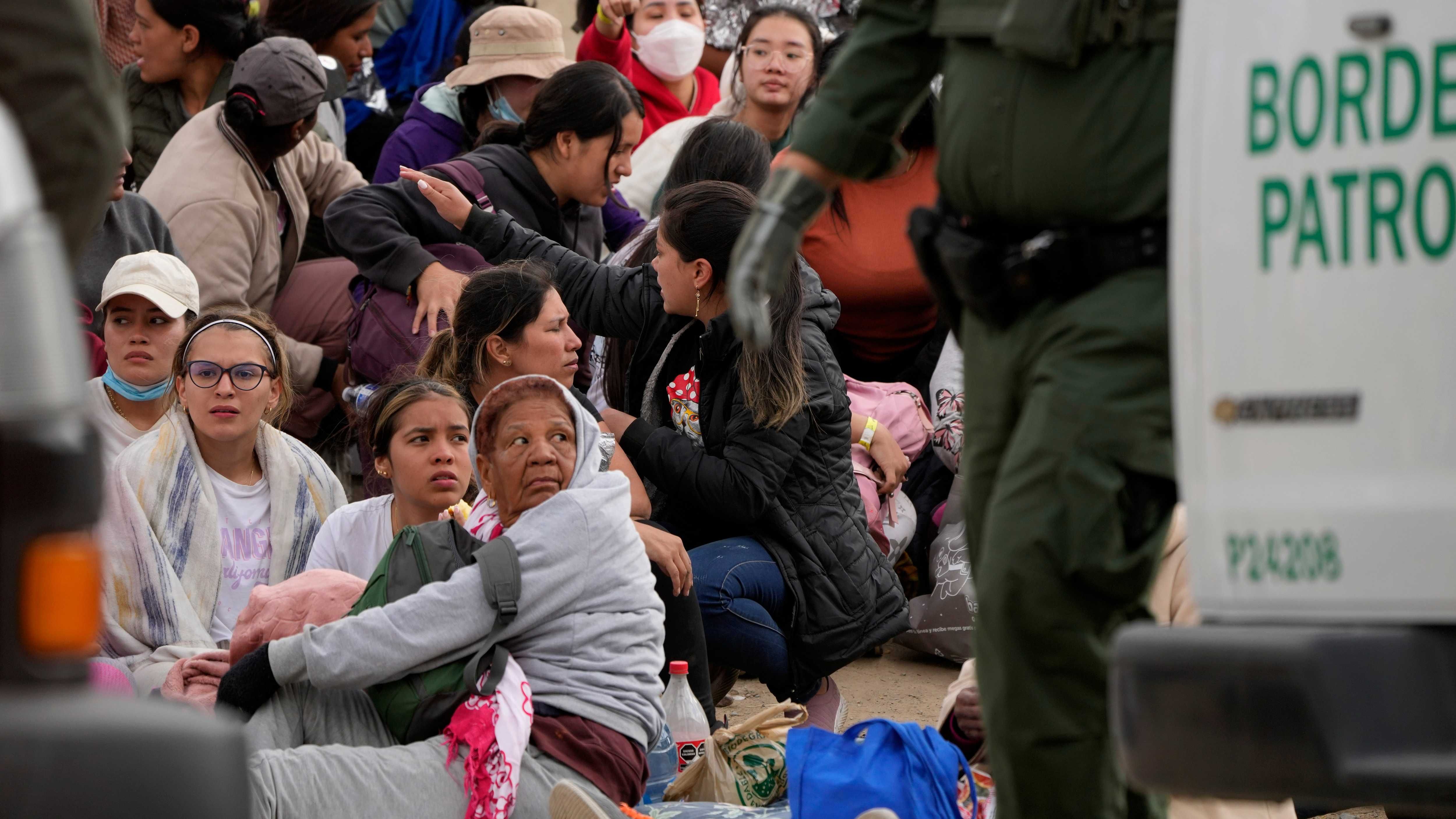
"The border patrol was able to immediately expel people from our country as they tried to enter many times without giving them a chance to claim asylum. It's been said there were 2.8 million expulsions in these past three years," said Catherine Grainge, Director of Advocacy for Jericho Road Community Health Center, which operates the Vive Shelter for those seeking asylum.
Grainge says the shelter has some worries with these new restrictions that have been put in place.
"Title 8 now has a number of new regulations and processes that we haven't ever seen before. Specifically, we have this regulation called the Circumvention of Lawful Pathways. It requires folks to do a number of things before they even hit our border. One of those things is to schedule an appointment on an app. The lack of access to internet, lack of access to a working cell phone, maybe even lack of access of understanding of a language that the app is translated into, that's going to be an extra burden for people who are trying to claim asylum and will hurt the most vulnerable asylum seekers."
Grainge explains another extra restrictive measure: a transit ban. "We saw a similar one under the Trump administration, but it's a new transit ban that says, before getting to the United States, you have to claim asylum in a country that you travel through, and presumably be denied in that country before ever getting to the U.S. and being able to apply for asylum here. All of that is super problematic and is going to be causing an extra layer of burden and barriers to people who are truly fleeing for their lives and trying to find refuge and freedom in the United States."
The Vive Shelter is one of the largest asylum shelters in Buffalo. Currently, they are at capacity.
"We have been seeing over the past couple of months an exponential increase in people coming to our door seeking asylum seeking refuge.
Part of that is because of the policy change between Canada and the United States back in March, Justin Trudeau and President Biden decided to close the irregular border crossing known as Roxhom Road. Because of that, many people who had just stopped in Buffalo with plans to move on to Canada are no longer able to do so. Practically speaking, they're having to stay at Vive much longer than they thought they would have to much longer than we thought. They would have to, as they pursue asylum claims here in the United States," explains Grainge.
As a result of this, the shelter is seeing exponential increases of people knocking at their door and they assume that this will only continue the demand for their services.
The other local shelters and Vive have already had to get creative in their solutions to accommodate.
"We've worked with other shelters in the area, we've worked with shelters that have asylum seekers in different states, we've worked with different organizations who have donated money. We've even worked with emergency shelters or emergency assistance and putting people in hotels. But all of that is temporary. We really need substantial permanent and ongoing support from our local and state governments. As we and a few other small organizations stand in the gap for these people who are seeking asylum in Buffalo."
Grainge also notes because of these restrictions, it is hard to guess how many more people will be trying to seek shelter at Vive or in Buffalo. However, they still need to find more ways, for the time being, to accommodate.
"I think we need more people to stand in the gap, more organizations to open their doors, more people who maybe have fun to donate to the day and to donate to other organizations who are doing this. But for for now, I think that's really all we can do, as we are dealing with, you know, a law that is that is broken, and that isn't what we all deserve."


