


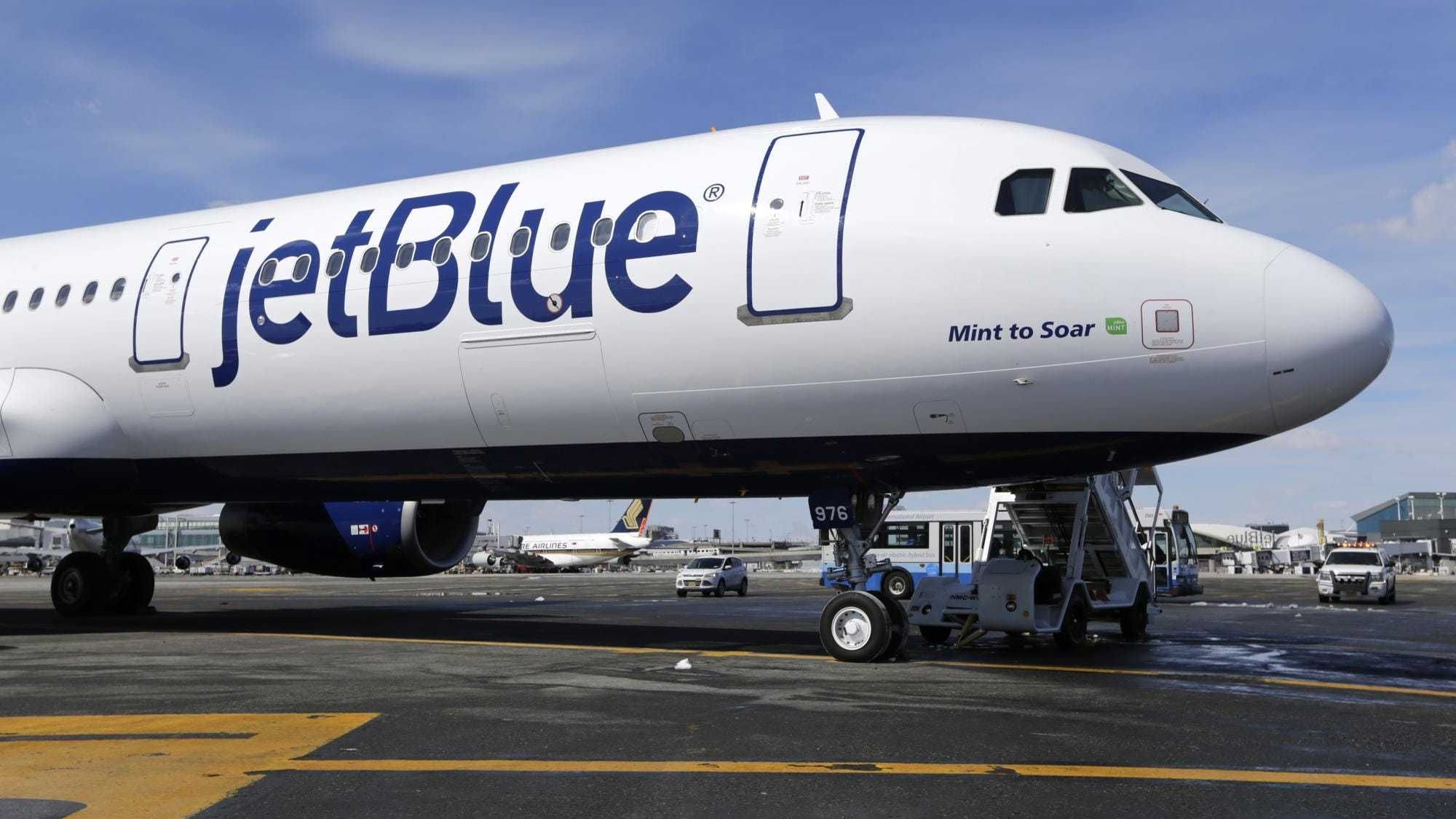
Buffalo, N.Y. (WBEN) - It was Wednesday when the NFTA grounded a JetBlue pilot at the Buffalo Niagara International Airport when he was found of being under the influence of alcohol.
According to a statement from the NFTA, the pilot was passing through security when a TSA officer noticed that he may have been impaired. NFTA Airport Police were contacted and the pilot was removed from the cockpit. He was given a portable breathalyzer test, and registered a .17, which is twice the legal limit.
NFTA Airport Police took the impaired pilot into custody and he was later released to JetBlue security. A JetBlue spokesperson has said the pilot has been "removed from his duties."
While incidents such as this do happen from time-to-time across the country, it is more often a rarity and something that maybe happens every few months.
"It's so rare and so infrequent that when it does happen, it does make the news. That's the rarity of the event," said pilot Pete Buffington. "If you think of the numbers of how many pilots are operating every day, across the globe, millions of flights - you multiply that by the number of flight crews, flight attendants and pilots - the number is quite astounding how many flights operate everyday safely.
"It's unfortunate, because there are a lot of preventative measures put in place to try to stop this type of thing from happening."
As Buffington explains, pilots and other flight crew members have the ability to call in sick and excuse themselves from duty if they are unfit to fly on any given day. That's why it's a big mystery to him why other pilots do not utilize that ability, even if they find themselves impaired.
"Our policy everyday is, 'Are you fit to fly?' As you approach the aircraft, you are required to sign either digitally or a piece of paper that says, 'Yes, I am fit to fly today.' If you feel, for some reason, that you're not fit to fly, there are no repercussions for excusing yourself, whether you're sick or you may feel that you're under the influence," Buffington explains. "We're protected in that nature that if you excuse yourself from flying because of health related issues, there are no repercussions. So a pilot shouldn't feel pressured in any way [whatsoever], given the circumstances that they must fly a flight."
In a case where a pilot or flight crew member excuses themselves from flying, the airline will then put reserve pilots in place to take those flights. While a situation like that may be a hassle for passengers flying on that specific day, Buffington says he'd much rather take a four-hour delay than to know that the pilot is under the influence on the flight deck.
So what happens when a pilot is caught under the influence, such as the case in Buffalo on Wednesday?
"Well the FAA will get involved, and they'll look at probably revocation of his pilot's certificate," Buffington said. "What they'll do is they'll see that he gets admitted to a rehab clinic, which is, more times than not, what the pilot needs to have happen. If they allow themselves to operate under the influence like that, that's a pretty good indicator that they need some help on a professional level."
After the pilot enters a rehab clinic, and then once they've proven they've completed that course and stay dry for a period of time, then that pilot will have an opportunity to possibly earn their pilot license or certificate back.
"In severe cases, they'll take all away the pilot's ratings and licenses, and they have the ability to earn those back. Or it may just be a period of time of punishment, where they cannot fly for a period of maybe two or three years, before they're allowed back to the flight deck," Buffington explained.
Would it ever be a realistic possibility that airlines require pilots to do breathalyzer tests as they get checked at security or before they board their flight? While that could happen if these instances increase over time, Buffington says he'd hate to see the entire flight crew population be punished for something that is incredibly rare.
In Wednesday's incident in Buffalo, it was a TSA officer that was able to notice the JetBlue pilot appeared impaired and possibly under the influence. However, it can be anyone in an airport to notice a pilot or other flight crew members being unfit to fly on a given day.
If anyone in an airport happens to be suspicious of any such activity, Buffington says they can approach any airport employee or any airline employee and bring up the concern with that person. That individual will then approach the person in question have a frank discussion with them.
That same approach is taken by the flight crews themselves any time one of their members is in a questionable state.
"We're told as flight crew members and our training that if we have a colleague that is in a questionable state of impairment, that we have a frank discussion with them in that situation," Buffington said. "I'm sure the gate agent or the airport employer would do the same thing - pull them aside and say, 'Hey, are you legitimately safe and fit to fly today? If you're not, would you please consider excusing yourself?' Otherwise, you risk your entire career and your pilot certificates being put on the line. That alone will give a pilot an opportunity to say right then and there, 'Hey, yeah, you're right. I am not fit to fly today. It's probably good that I don't take this flight.' And nine times out of 10, that works."
While Wednesday's incident in Buffalo was an unfortunate occurrence, Buffington believes that anyone who's a frequent flier, or just happens to be heading to the airport for a trip, should not have to worry about this happening every day.
"It just shows that no matter the profession, alcohol abuse and alcoholism is a problem all across all industries. No industry is safe from it," he said. "Given that it's a rare event, I don't think the flying public should be concerned or have any safety worries, as far as additional events going forward. Like I said, there's numerous precautions that are put in place and procedures put in place that most cases are caught before it becomes an actual issue on on the flight deck."
You can listen to our entire conversation with Buffington below: