


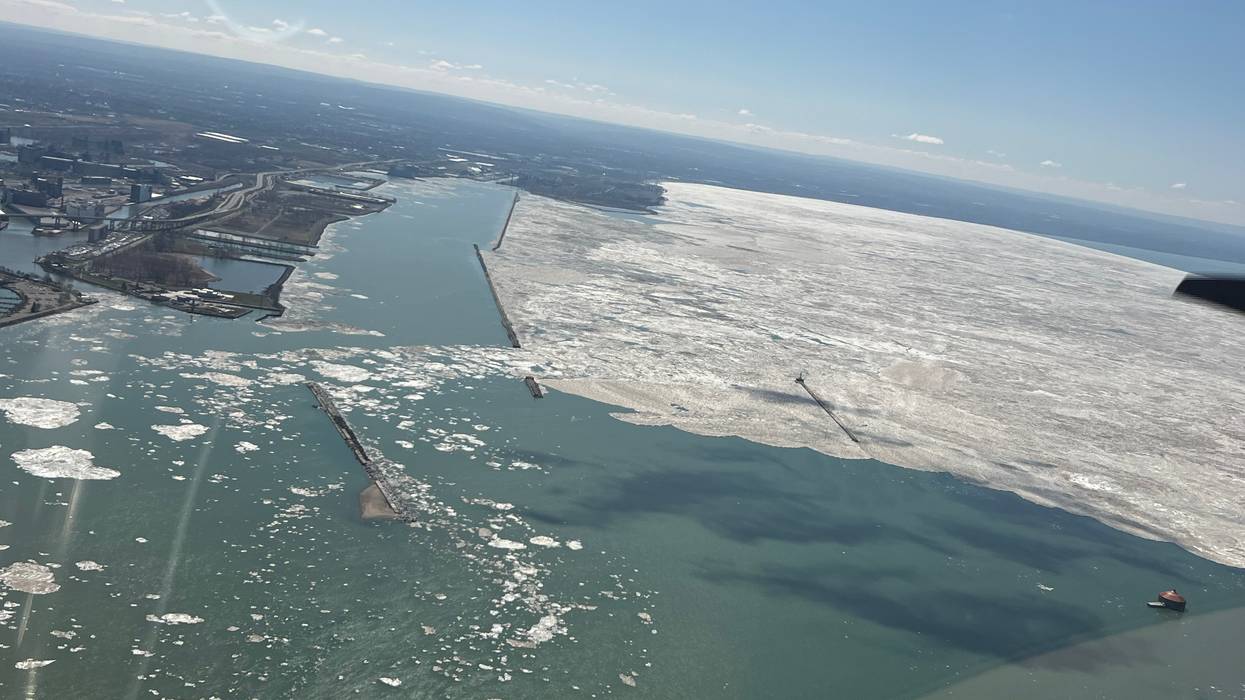

The only remaining ice cover on Lake Erie is what can be seen from the eastern end of the lake off Buffalo and is being held back by the Lake Erie ice boom, which remains in place after the New York Power Authority and International Joint Commission coordinated work along the break walls of Buffalo this past week.
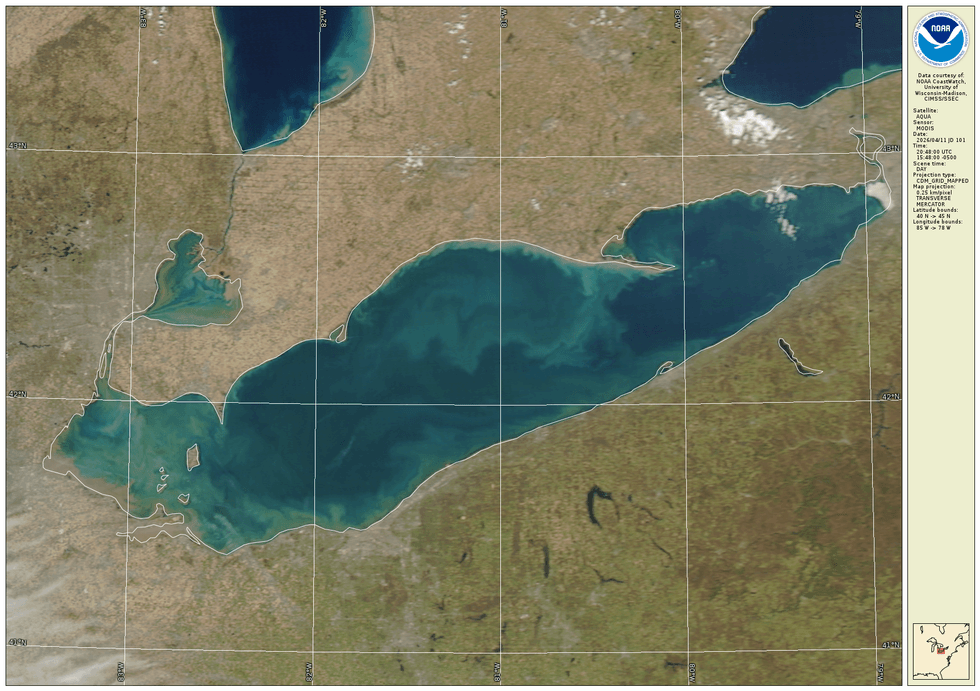 Lake Erie ice cover as of Friday, April 10, 2026NOAA
"The IJC has given NYPA permission to begin the ice boom removal process," Lou Paonessa with NYPA told WBEN last week. "It's actually a staged process to remove the boom, we have to have a place to put the 'strings' temporarily when we remove them, and that's along the break wall."
The process of preparing the area along the break wall was completed last week and officials said was the actual removal process was delayed due to wind-driven ice blocking safe access to key boom sections.
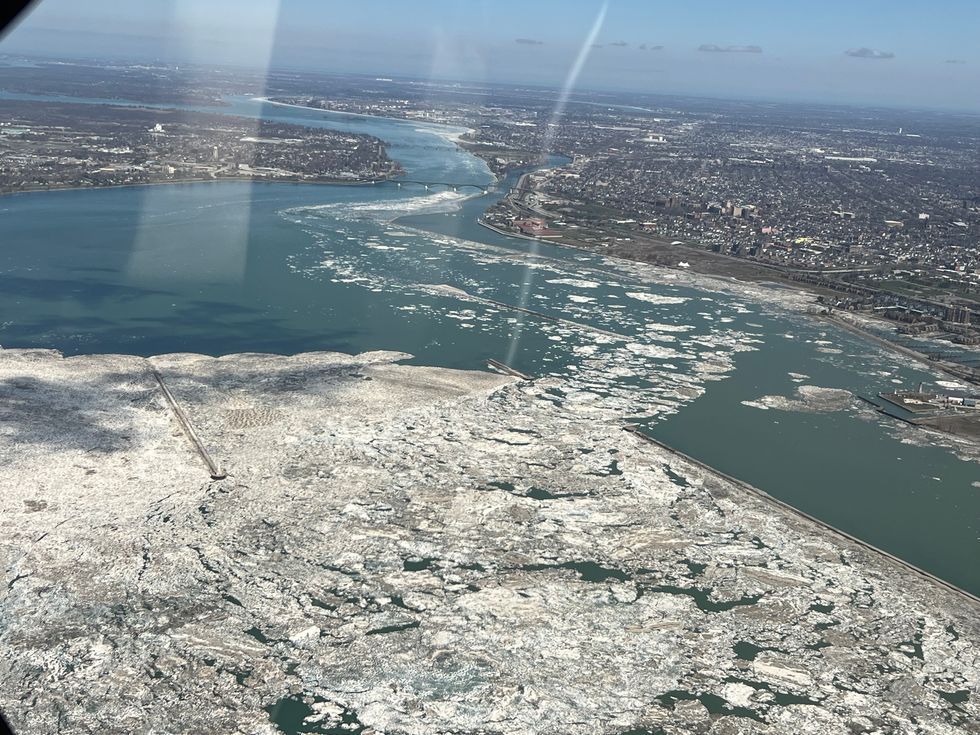 Ice being held back by the break walls and Lake Erie ice boom off Buffalo April 11, 2026Pilot Larry Cobado
Aerial photos taken by local pilot Larry Cobado Saturday showed large sections of ice evading the boom and making its way down the Niagara River and around Grand Island.
The latest satellite imagery from NOAA shows the only remaining ice cover on the lake is in the basin just off Buffalo.
So, why is the ice boom placed at the end of the lake annually?
"The ice boom reduces the frequency and duration of ice coming down the river," Paonessa tells WBEN. "If you have a lot of ice coming down, it can cause jams which would impact power production and cause shoreline damage and cause flooding."
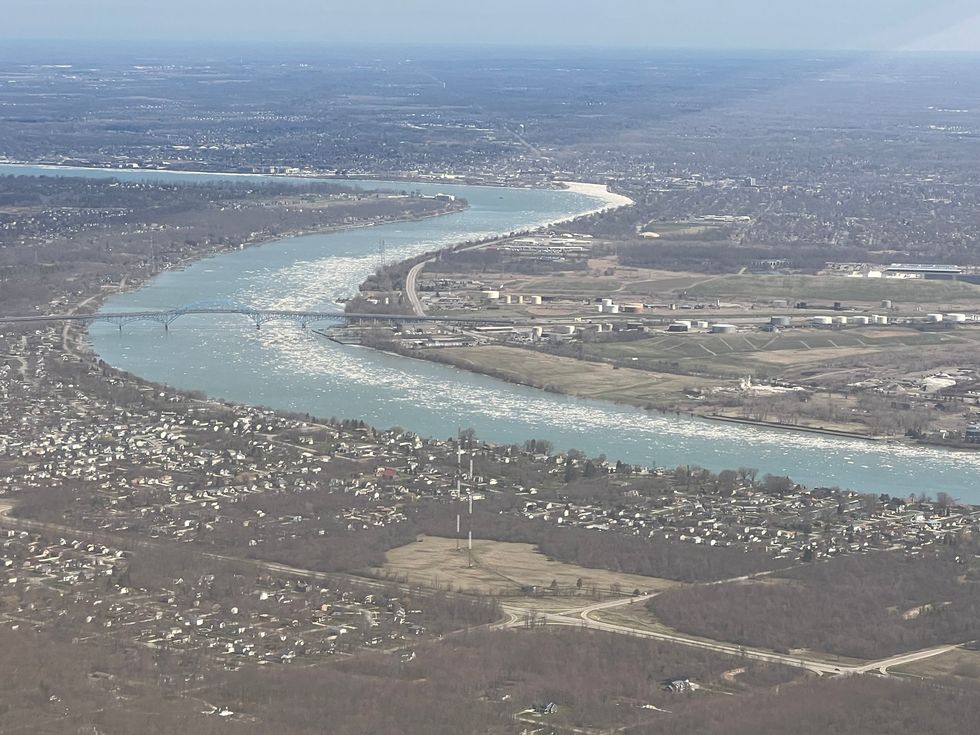 Ice flowing down the Niagara River April 11, 2026Pilot Larry Cobado


