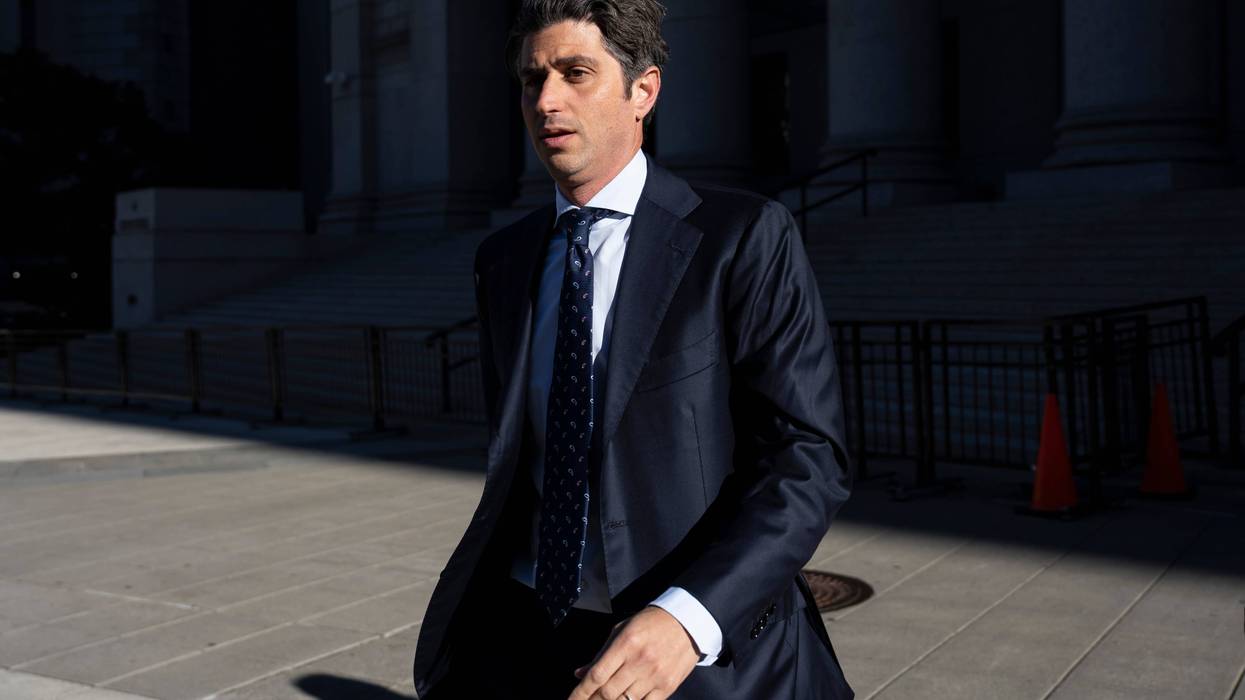



Buffalo, N.Y. (WBEN) - New York officials announce the state is suing the betting app Kalshi for running an illegal gambling operation in New York through its prediction market platform.
An investigation by the Office of the Attorney General (OAG) found that Kalshi’s prediction market is an illegal, unlicensed gambling operation. Kalshi’s illegal prediction market exposes New Yorkers – including those under the legal gambling age of 21 – to serious personal and financial risk. The lawsuit is seeking a court order stopping Kalshi from operating as an unlicensed gambling business, and requiring the company to pay fines, forfeit all illegal gains, and pay restitution to users.
“Kalshi has chosen to ignore New York’s gaming laws, which exist to protect consumers, prevent problematic gambling, deliver funding for critical public services, and ensure that every company plays by the same rules,” said New York Gov. Kathy Hochul in a statement. “This choice has consequences, and working closely with Attorney General James, New York is taking action to stop this illegal behavior and bring Kalshi into compliance, because no company is above the law.”
The lawsuit alleges that Kalshi’s prediction markets meet the legal definition of gambling because the outcomes of the events on which its users are betting are uncertain and outside the control of the bettor or hinge on a game of chance. Despite this, Kalshi has failed to obtain a license from the New York State Gaming Commission (Gaming Commission), sidestepping its obligation to pay taxes like licensed casinos and mobile sports gambling platforms do. This tax revenue from gambling regulation funds public schools, sports programs for underserved youth, and problem gambling education and treatment.
Kalshi launched in 2021 as a service that allowed users to bet money on the outcome of a wide range of future events. In 2025, Kalshi launched sports “trading,” claiming it offered legal sports betting markets, accessible to Americans in all 50 states, and encouraging bettors to wager on the outcomes of major sporting events.
Today, Kalshi offers users the ability to bet on events including sports, culture, and elections on its website and app.
OAG is asking the court to order Kalshi to forfeit all illegal gains, distribute restitution to consumers who were harmed, and pay fines equal to three times the gains the company made through its illegal actions.
“New York’s gambling laws protect children from underage betting and help combat gambling addiction. No matter what they call themselves, prediction markets like Kalshi are gambling platforms, plain and simple. By ignoring our laws, Kalshi is running an illegal operation and harming New Yorkers in the process. We are taking them to court to uphold our laws and protect New Yorkers," said New York Attorney General Letitia James in a statement.
Kalshi’s prediction markets are also available to users between the ages of 18-20, even though New York law requires a person to be at least 21 years old to participate in mobile sports betting. Exposing young people to online gambling can have damaging effects on their mental and financial wellbeing. Recent research has shown that gambling among young people is associated with psychological distress, financial difficulties, and increased risk of gambling-related harms in adulthood.
The lawsuit is seeking a court order stopping Kalshi from operating as an unlicensed gambling business
The lawsuit is seeking a court order stopping Kalshi from operating as an unlicensed gambling business