



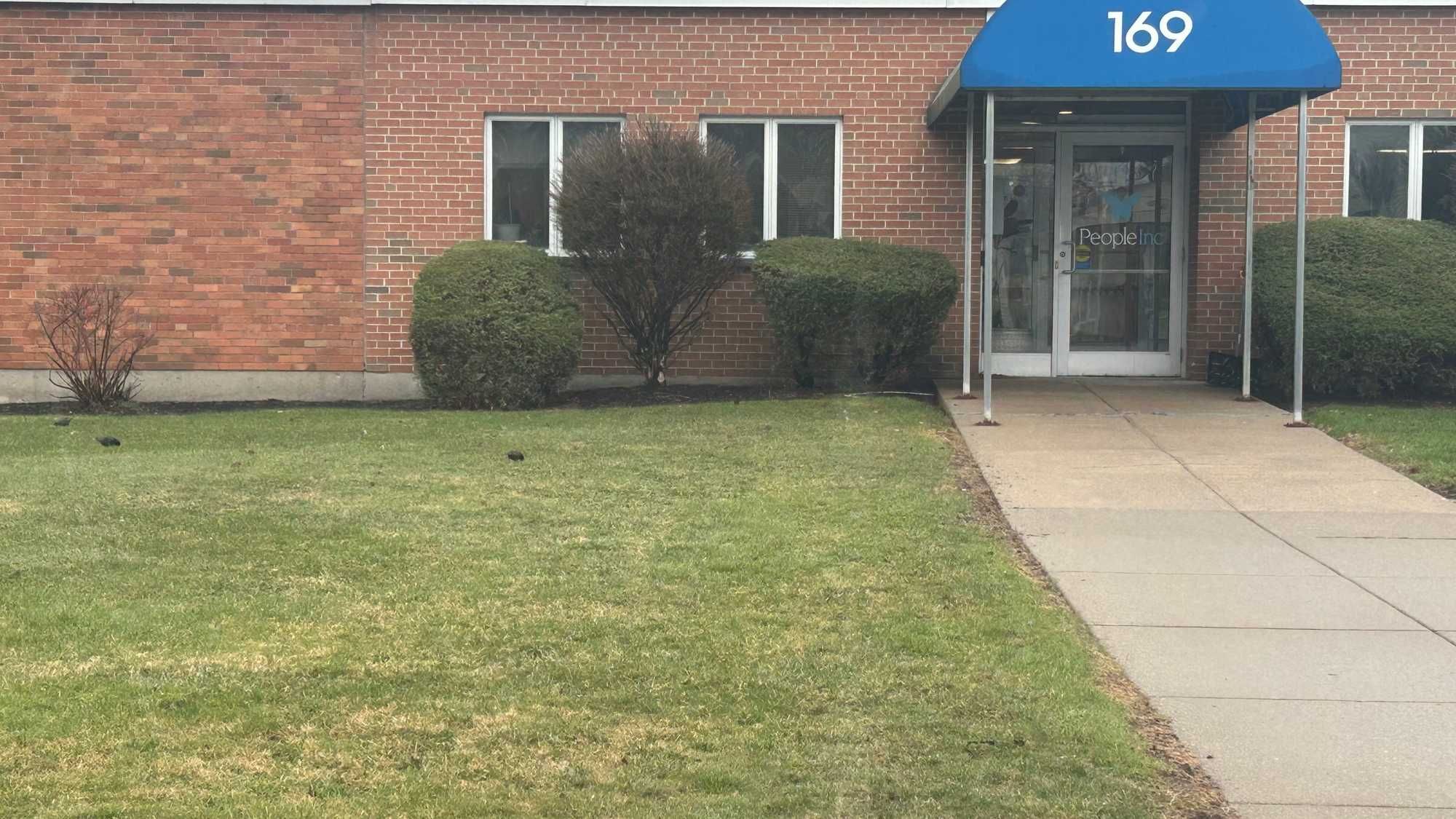
Buffalo, N.Y. (WBEN) - A deadly assault at People Inc in the Town of Tonawanda raises questions around state requirements for dealing with violent people who have special needs.
In an interview unrelated to People Inc and the ongoing investigation, CEO of Suburban Adult Services Inc, Jeff Paterson explains that every individual has a behavior plan that is tailored to their needs and disabilities.
"There are pages of requirements from the state of what those plans need to look like, and very often, somebody with a behavior plan—most of the time—violent behaviors is not part of that plan. It may simply be other needs that they have. But every person has an individualized approach for what they need, based on their diagnoses and based on what a professional indicates is needed for them to support them for their best mental health. What is really important is that any staff who work with that person are familiar with that plan and well trained on it, so that they can provide that individualized type of support that's called for in that person's plan," stated Paterson.
Paterson says that each behavior plan specifies the required level of supervision individuals need when they're out in the community or riding in a company vehicle.
"Every person who receives supports and would be in a vehicle or out in a community setting has their own supervision level, so that's part of their their individual plan that indicates how many staff need to be with them and what their level of supervision is. So for some people, they have to be with an eyesight of a staff member. For others, they may require a one-on-one support who's really with them and constantly eyes on. It really depends on who's on that trip," explained Paterson.
Paterson explains that staff members go through extensive de-escalation training, and the longer they stay in the field, the better they become at understanding their individuals and what triggers them. However, in a situation where they become violent, regulations require physical intervention to be a last-resort.
"The state very clearly says physical intervention is not the first step to take. It will tend to be verbal strategies, calming strategies. There are folks for whom medication is indicated in their plan, and that's something that could be part of an immediate response. Again, it really depends on the person, their plan and their diagnoses, and what the professionals who prepared their plan indicate will work for them, plus the experience of staff knowing the person and understanding what works for them."
Paterson says in some instances, police are called to assist if the staff are unable to de-escalate on their own.
"Law enforcement have a very, very important job in this community, but they tend not to have the training to deal with these kinds of things. So, you're going to call law enforcement only if it's something that simply can't be handled by staff any other way. More often than not, that behavior plan provides the key and the staff is able to to understand how to de-escalate with that person, because they know that person."