


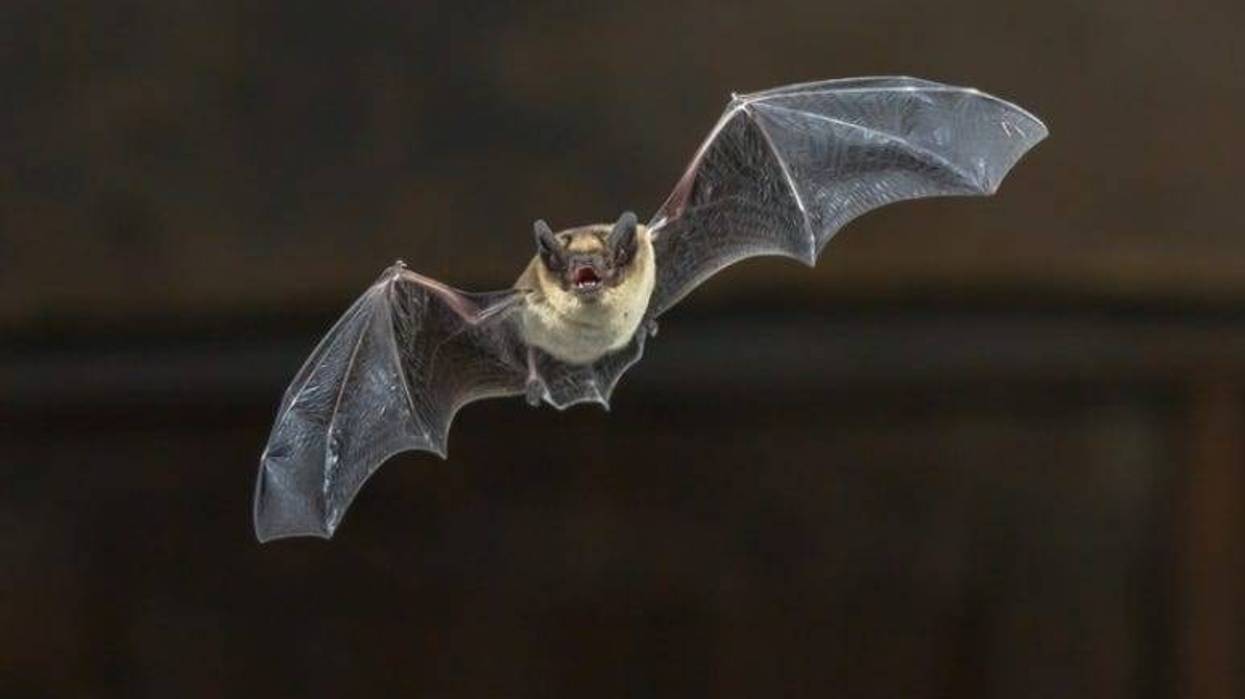

North Tonawanda, NY (WBEN) The Niagara County Department of Health says it has received confirmation of a positive rabies case involving a bat in the City of North Tonawanda.
The sample was submitted to the New York State Department of Health Wadsworth Center on August 26, and positive results were confirmed August 27. The case involved a bat encounter on August 20 on Tonawanda Creek Road in the City of North Tonawanda.
Health officials dog was involved in the incident; is up to date with its rabies vaccination, and received a booster shot as a precaution. Three household members were referred to the Nursing Division for evaluation; however, post-exposure prophylaxis was not recommended.
Health officials note bats, raccoons, skunks, and foxes are all common wildlife carriers of the rabies virus. A rabid animal can shed the virus through direct contact even before symptoms appear. Rabies can only be confirmed by submitting a laboratory sample.
Rabies is a viral disease that is almost always fatal to unvaccinated animals. The NCDOH reminds County residents of the following precautions to prevent exposure to rabies from wildlife and domestic animals:
- Do not feed, touch, or adopt wild animals, stray dogs, or feral cats.
- Be sure your dogs and cats are up to date on their rabies vaccinations. Vaccinated pets serve as a crucial buffer between rabid wildlife and humans, significantly reducing your risk of exposure. Dogs and cats that receive their first rabies vaccine are protected for one year. A dog or cat’s second and subsequent vaccinations will protect it from rabies for up to three years. Pets too young to be vaccinated should be kept indoors. By law, all cats, dogs, and ferrets must have current rabies vaccinations starting at 4 months of age. The NCDOH conducts several free rabies clinics every year. Clinic dates and registration information are available on our Rabies Clinic webpage.
- Keep family pets indoors at night. Do not leave them outside unattended or let them roam free.
- Avoid attracting wild animals to your home or yard. Keep your property free of stored bird seed, pet food, or other attractants. Feed pets indoors. Tightly cover or put away garbage cans. Board up any openings to your attic, basement, porch, or garage. Cap your chimney with screens.
- Encourage children to tell adults immediately if they are bitten or scratched by any animals. Tell children not to touch any animals they do not know.
- If a wild animal is on your property, let it wander away. Bring children and pets indoors and alert neighbors who are outside. You may contact a nuisance wildlife control officer who will remove the animal for a fee, or if there is danger, you can call your local law enforcement agency.
- If your pet has been in a fight with another animal, wear gloves to handle it. Isolate it from other animals and people for several hours. Call your veterinarian. Your vaccinated pet will need a booster dose of rabies vaccine within five days of the exposure. Unvaccinated animals exposed to a known or suspected rabid animal must be confined for six months or humanely euthanized.
- If you find a bat in your home, safely catch, contain, and submit it for rabies testing. This is critical if a bat was found in a room with a sleeping person, an unattended child, or a pet.
- For more information on bat rabies to include instruction on proper capturing and containment of a bat for testing, go to: https://www.niagaracounty.gov/departments/a-f/environmental_health/pest_control/bats.php or watch this video: https://www.youtube.com/watch?v=_YhnV5WJQBA
Tests came back positive Thursday
Tests came back positive Thursday