

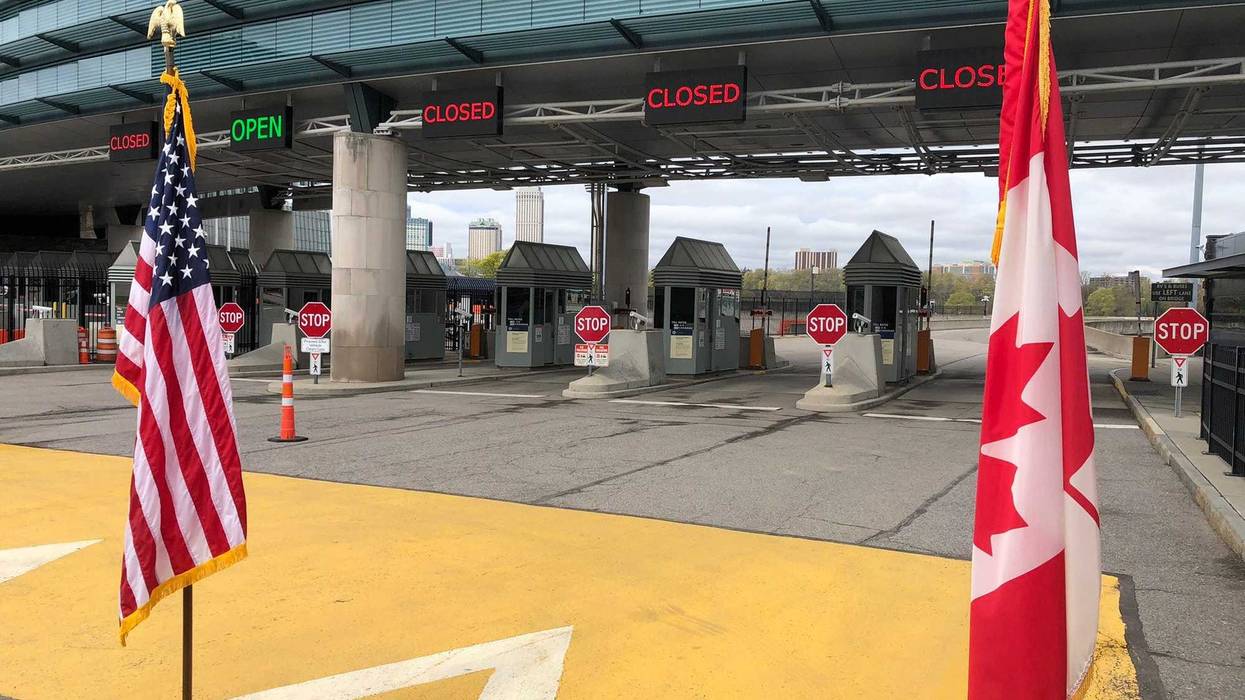

Buffalo, N.Y. (WBEN) - Now with the COVID-19 emergency in the rearview mirror and cross-border restrictions lifted in both the United States and Canada, Congressman Brian Higgins (NY-26) now turns his attention to the future in order to prevent further issues from occurring at the Northern border.
Rep. Higgins said Friday both countries should begin to work now to prepare for better communication and collaboration needed to avoid the disjointed border policies that occurred over the last three years during the COVID-19 pandemic.
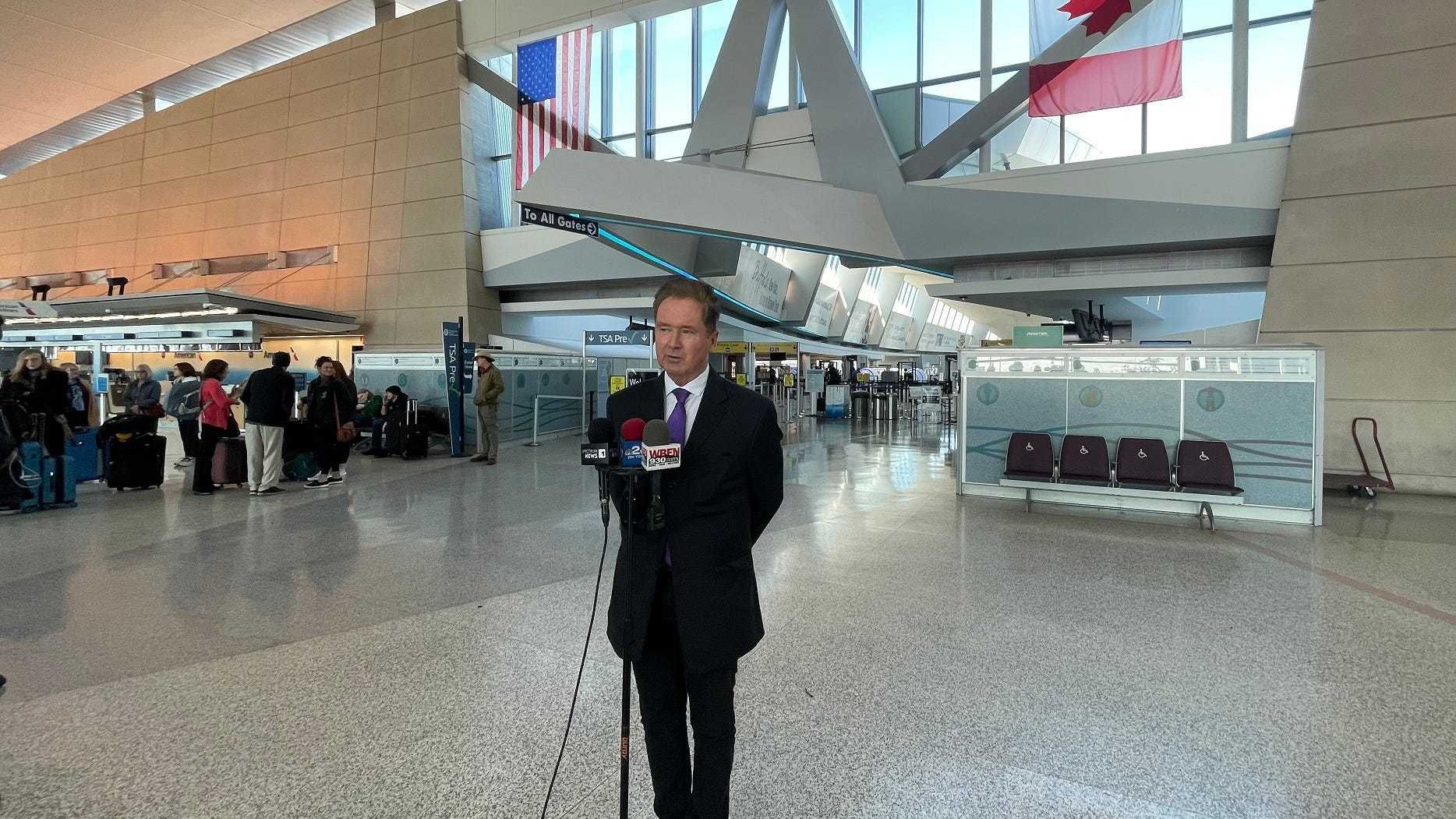
"Our economies and our life qualities are deeply integrated, and we don't want to go through, again, what we went through in the past 36 months," said Higgins on Friday following an event in Buffalo. "There was the whole process of border restrictions, it was disjointed, it was unilateral. That is the wrong approach when you're looking at a border that's mutually beneficial to both the United States and Canada. We want to preempt any future problems by encouraging the Canadian federal government and the U.S. federal government to better coordinate, think with one mind. speak with one voice. That way, we serve both the U.S. and Canadian populations much better than they were served over the past 36 months."
Higgins also pointed to the fact that 21 million Canadians visit the United States every year on average, which is about $22 billion in revenue. In addition, Higgins is hoping to avoid the premise of people being kept separate from their families like many were over the past 36 months during the pandemic.
"It wasn't awful, but it was pretty bad," Higgins said.
In a written letter to President Joe Biden, Higgins said right now is the time to "develop a plan with other countries, like Canada, to ensure future alignment on travel policies."
"The confusing, convoluted, and disjointed policies on each side of the border presented a constant challenge for families and had a significant economic impact on both countries during the pandemic. We are still recovering from these shocks," Higgins wrote.
Higgins believes there are existing agreements and frameworks that could further help "facilitate information sharing and promote rapid synchronized decision-making to minimize contradictory messages and policies."
"I just think a general emphasis on doing a better job of coordinating this, there's enough incentive for both countries. Both countries lost out, because of the lack of coordination, and the lack of speaking with one voice," Higgins said Friday. "These unilateral restrictions that were placed on the border discourages people from making the cross-border trip, and makes that experience much worse than it should be."
Congressman Higgins, who serves as co-chair of the Canada-U.S. Interparliamentary Group, also hosted a meeting earlier this week in Washington, D.C. with his Canadian counterparts in Parliament.
"I had 10 members of Canadian Parliament in my office in Washington this past week. We talked about that... and they agree, they want to be helpful," Higgins said. "My hope is we can follow up and do the kinds of things that are necessary to make the experience for Canadians in Western New York, and for Western New Yorkers in Canada much better than it has been."
In addition to discussing border management, during the meeting, Higgins continued to raise concerns about the Government of Canada's
"Underused Housing Tax", which is unfairly impacting Americans who have been longtime cottage owners in Canada.
"It was top of mind, top of discussion with Canadian members of Parliament, they understand it. It's an issue that isn't beneficial to them. You're discouraging Americans from making investments in Canada," Higgins said. "Many of these cottages, these summer homes are generations old. They were built to be seasonal properties. They're not underutilized, they're fully utilized within the season. That needs to be straightened out, and the federal government of Canada has an obligation to the people of Buffalo and Western New York to relieve them of that impending tax obligation."
Over 400 United States residents from 91 Congressional districts across the country have filled out Rep. Higgins' survey indicating the hardship created by the new property tax.
Higgins' Western New York district, which includes the Cities of Niagara Falls and Buffalo, borders Southern Ontario.