


BUFFALO, N.Y. (WBEN) – As the restaurant and hospitality industry continues to recover from the peak of the COVID-19 pandemic, the idea of masking coming back to the region gives restaurant owners pause.
"Obviously it's shock, fear, anger, and all the emotions are hitting me," Jimmy Butera, owner of Butera's Craft Pizza and Craft Beer in Hamburg, said. "I know that based on what we've experienced over the last few months that our customers are quite content with coming in and very comfortable coming into our restaurant and not having to wear a mask. So many people were grateful that they lost the mask mandate. To even toy with the idea of them coming back is a scary time for all of us."
New mask mandates, vaccine requirements, or other COVID-related rules now come from local officials and not New York State. Erie County Executive Mark Poloncarz floated the idea of future mask mandates in non-county owned public buildings on Wednesday.
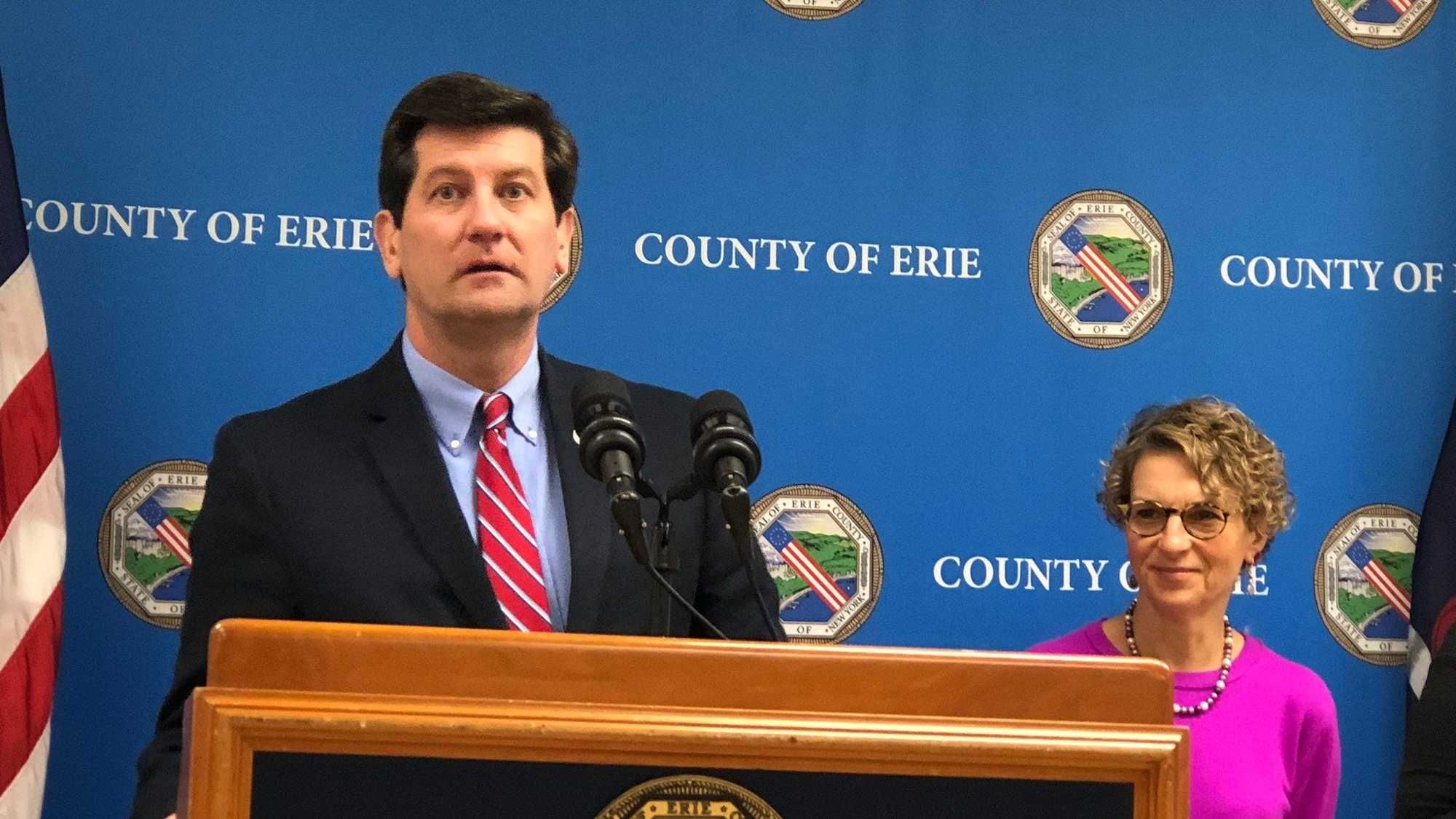
"The county will reconsider a mask requirement for all indoor non-county owned public facilities if caseloads and hospitalizations should increase significantly as time progresses."
Erie County is currently at a "moderate" risk level of COVID-19 spread, according to the CDC. At the current rate of infection, an increase to "substantial" risk could arrive in the coming days.
In an hour-long interview on WBEN, Jon Taffer, the host of the popular television show "Bar Rescue", said there are still many challenges facing restaurants these days. It ranges from the quality of food at restaurants from distributors, staffing issues which may affect customer experience and restaurant hours, and government payments which give incentive for people to stay home.
"In a way, the government has worked against us," Taffer said on BMaz and Beamer. "They're trying to work with us but it's really been a counter to support of our industry. From the shutdowns and the mask mandates and spacing mandates, I found it very frustrating, honestly, because restaurants deal with bacteria all the time. We have since our inception. We know how to wash our hands…I found it really disappointing that restaurants and bars were closed who know sanitation and retailers who don't know what chemicals to use on what counter are allowed to be opened. I think it's really backwards."
Recovery for restaurants can be seen as a vague term. Butera said there's multiple levels of recovery, such as people coming back, staff returning to work, and the bottom line of his business.
"The biggest hurdles we are facing are a shortage of kitchen help," Butera said. "A shortage of all-around help, but mostly the kitchen for my colleagues and I. Our vendors…don't have delivery drivers who can deliver the food to the restaurants. Chicken wing processing plants don't have people coming in to process the chickens so the prices are going up."
Butera said he's had to make some changes, like hours of operation, but still wants his restaurant to be open every day because he wants to ensure the community has Butera's as an option for food every day.
But he admits, he is worried about the overall customer experience.
"That's a huge concern of mine," Butera said. "That's probably the biggest concern I have. It's one thing to be able to have a full dining room and be allowed to do it. It's another thing to have a full dining room and make sure that every one of our customers gets the treatment and experience they are looking for."
Butera said the government needs to do more to get people back to work.
"You can give a man a fish a day and feed him for a day or you can teach a man to fish and feed him for life," Butera said. "Our government keeps on giving fish to our residents instead of teaching them. There should be programs showing people how to get back into the workforce and how to reapply for jobs."


