


BUFFALO, N.Y. (WBEN) A highly infectious form of bird flu has been detected along the so called Atlantic "flyway" for migratory birds on the east coast. Migrating water fowl are primary carriers. But any domestic bird that comes in contact with an infected bird is at risk.
The SPCA Serving Erie County is taking no chances. "It's concerning," said
Barb Haney, Director of Wildlife for the West Seneca shelter. "As a wildlife rehab center, we want to make sure that we keep the animals that are already in the hospital safe."
In the last two months, 24 million chickens have been depopulated as a result
of the Highly Pathogenic Avian Flu.
"It's something we should all be aware of," said Haney. Humans are not at risk.
However it is a zoonotic disease which has the potential of being transmitted
from animals to humans. She points out that people who work around chickens need to take precautions by wearing masks, gloves and full PPE.
All waterfowl is at risk. "Mallards, geese, marsh birds, shore birds, and unfortunately, the animals that eat them, such as raptors, birds of prey, and eagles," added Haney.
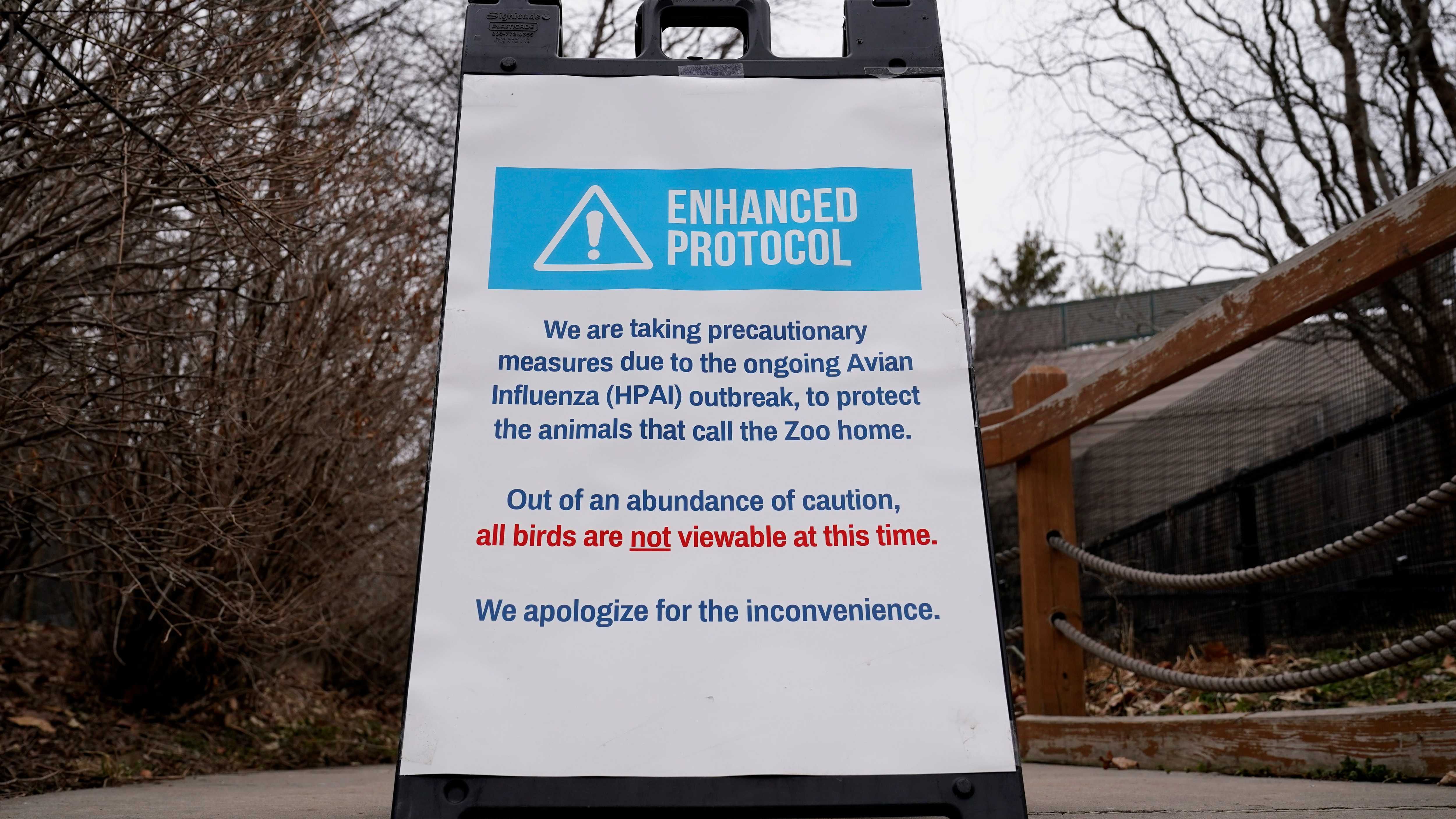
The Buffalo Zoo is taking precautions to protect their bird collection by closing the M&T Rainforest Falls to the public until further notice. The Aquarium of Niagara is suspending some penguin events. Also, Hawk Creek Wildlife Center is not accepting birds for rehabilitation at this time.
As sick or injured birds come into the SPCA Serving Erie County for treatment,
the SPCA has set up a wildlife admission area outside of the building, and with the help of the Erie County Department Of Health, the Wildlife team has been outfitted with full PPE.
"We ask that people call ahead. We will be triaging in the field, or we can send out rescue agents. Also, don't be surprised if you see us in full PPE. We're just trying to be safe," she said.
SPCA Chief Communications Officer Gina Lattuca said if the bird flu enters their building, the entire wildlife department will have to shutdown for 30 days. "If we are closed down for animal rehabilitation, especially at the start of baby season, this could be extremely harmful to our local wildlife population." Lattuca notes that the SPCA receives thousands of injured or sick animals, each spring.
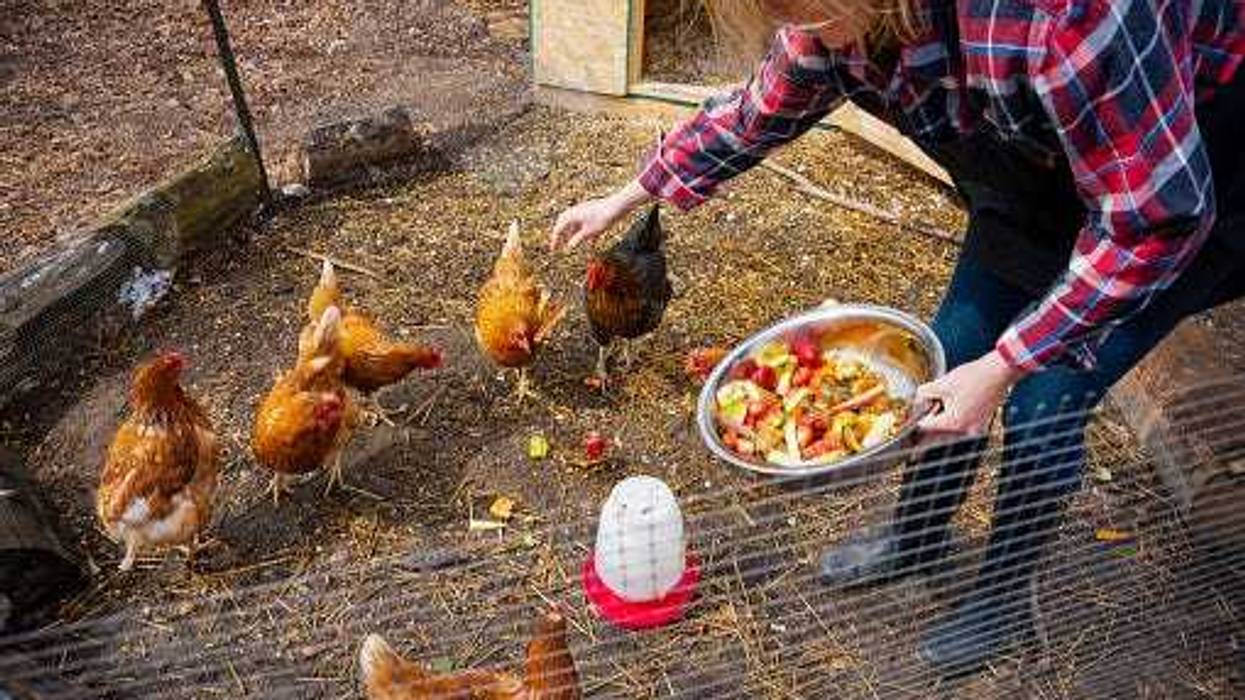
For the growing number of people with backyard chickens, Haney suggests they be concerned as well. "It's the waterfowl, all of those migrating birds and their droppings that are spreading this disease. You should consider putting a roof over a chicken coop. And if you're walking in areas with lots of goose poop, be sure you don't walk around or hang out with your chickens. Just be safe to try not to spread it."
If you observe a die-off of a personal flock or two of more members of the same wild species, you're urged to report it to the New York State Department of Environmental Conservation.
"We want to know where this happened. This will help protect poultry farms in the area. We need to be careful to save those birds. If any of your backyard chickens or flock are dying, please let the DEC know. And if you're hiking and see two or more geese in an area that are dead, please let the DEC know.