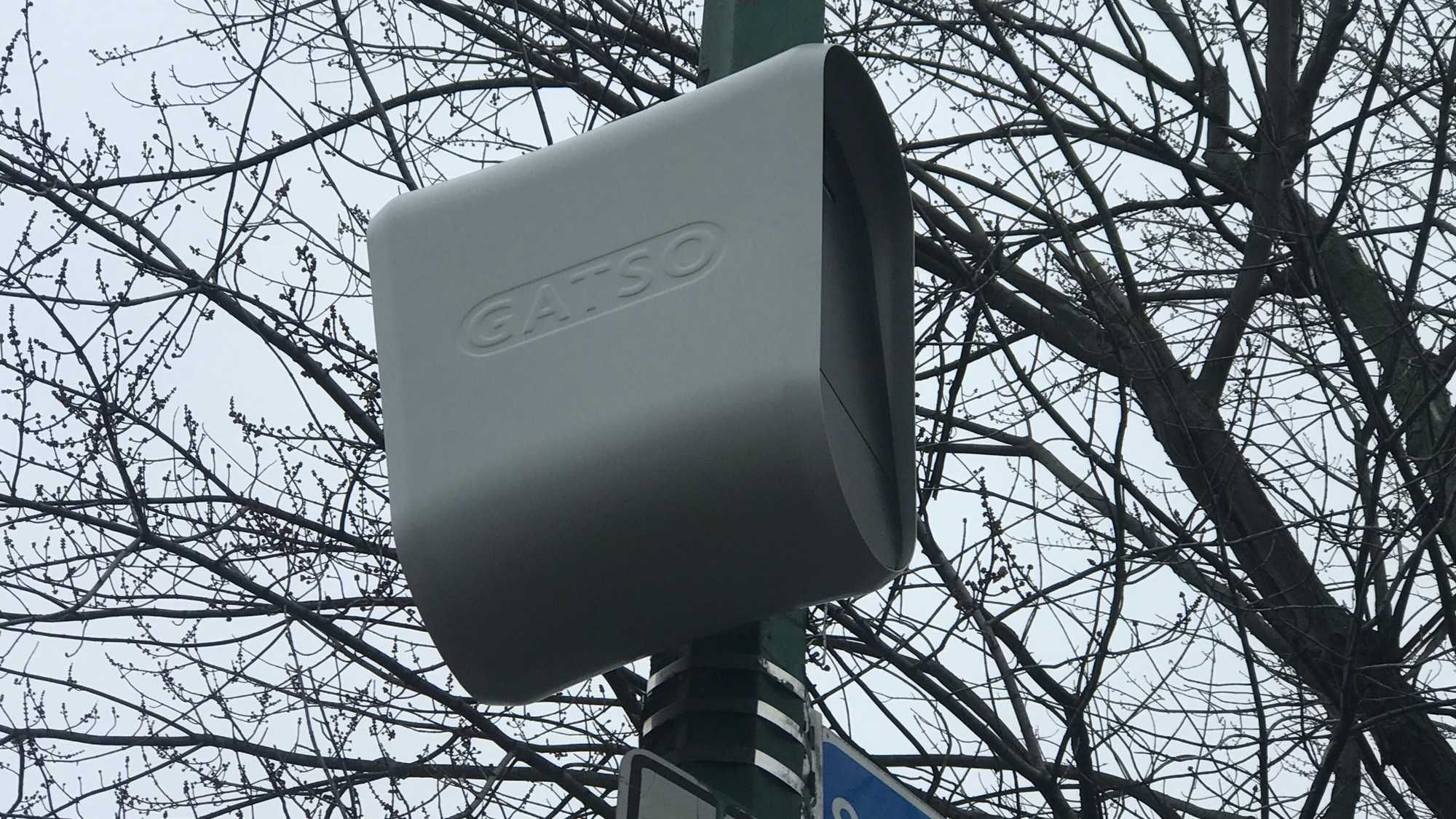


Buffalo, NY (WBEN) Since the first cameras were deployed in areas adjacent to schools in the city of Buffalo, the school speed zone camera has been the subject of intense criticism.
Now, Buffalo Common Council legislation committee members have heard from an urban planner who says his analysis of Buffalo school zone speed cameras indicate they're discriminatory and don't serve their intended purpose.
He's calling on lawmakers to put the brakes on the program come March 1.
Peter Rizzo says he conducted an independent review, going over all 20 locations to determine if the city has taken responsible steps to accomplish the goal of reducing crashes. He says half the cameras are placed among areas with the lowest school zone crash rates in the city. "Instead, the city has placed nearly all its cameras in school zones with the highest traffic counts. I have also found the city has disproportionately targeted high poverty, minority neighborhoods with cameras. The people who live nearest the cameras have received the most violations," says Rizzo.
He says speed is not even the leading cause of daytime car-pedestrian crashes in Buffalo. "Although we've been repeatedly told, child safety is the only priority, the facts don't support the assertion. I contend child safety is being used as an excuse to operate a predatory enforcement program that targets Buffalo's most impoverished residents. Make no mistake, this program is a form of systemic racism, that increases hardships on Black families, for example," explains Rizzo.
"The Black median household is $25,000 a year, and many families spend more than 60 percent of their income on housing and transportation costs. Meanwhile, we have living in homes with lead and other hazards. When you allow racist, regressive, and predatory programs like this, you hurt the ones who can least afford it."
Rizzo reminded councilmembers they can stop the program. "Terminate the demonstration program. It's not mandated for implementation. You can pull the plug on this," urges Rizzo. "Direct all funds generated, every dollar, to be invested into just streets improvements in the city."
Rizzo says 50 percent of the school zones with speed cameras are among those with the highest crash rates. "We have not concentrated those cameras on areas with crash rates, which is what you would expect in a program designed to reduce speed zone crashes. One of those zones experiences just two crashes a year," says Rizzo.
Public Works Commissioner Mike Finn says he analyzed the schools with the greatest risk, and he looked at all crashes, not just injury crashes as Rizzo mentioned. "That's why we looked at crash data. Crash data and traffic data are not analogous to areas that are impoverished. From my perspective this is how we have to look at it, all raw data," says Finn.
Finn says the people who contact him with concerns tend to be those who are more affluent. "I feel and what I want to do is focus on data so we're addressing the problems for those who may not be able to advocate for themselves," says Finn.
Finn adds as residents get used to the zones, they'll slow down as they go through the school zones.
Finn and Parking Commissioner Kevin Helfer say they'll review Rizzo's report further and return to the council in two weeks.