

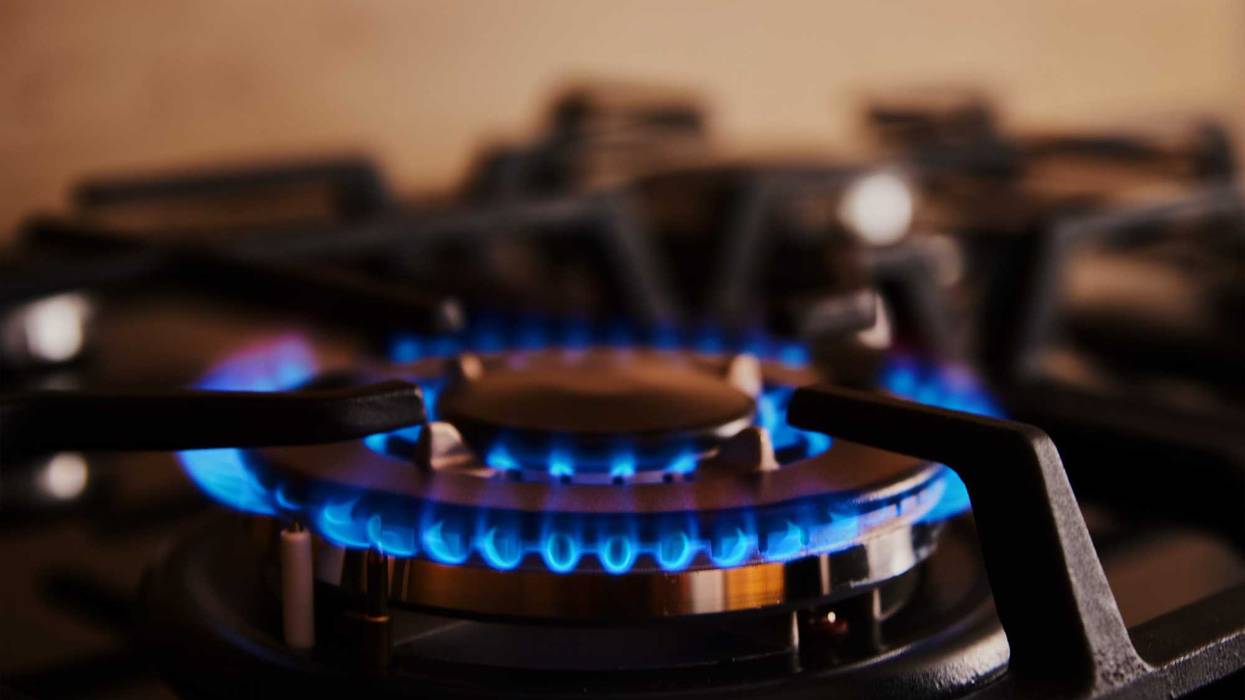

NEW YORK STATE (WBEN) - The likelihood of New York state lawmakers approving a state budget that entails the prohibition of fossil fuel furnaces, water heaters, clothes dryers and gas stoves in most new construction is high.
Politico reporter Marie French reports three state budget proposals are being discussed in Albany currently, and all three plans include some variations regarding prohibiting natural gas in new builds.
French also told WBEN Friday morning that upstate Democrats share in the concerns of the general public.
However, they are still in favor of transition.
"Upstate Democrats in terms of both the new buildings and the replacements for existing buildings are concerned about this proposal," said French. "They want to see, incentives instead of trying to encourage people to make this transition in a more orderly fashion than having a hard date.
If your gas furnace breaks in 2030, there are concerns that it would be difficult, expensive, potentially upfront, to make a transition to a heat pump. 2030 is fairly far off at this point. Lawmakers are looking to have the state agencies come up with a plan with incentives and other programs to, if it goes forward, make sure that people don't have those concerns, [such as,] 'What am I going to do if this happens to me?'"
French also mentions the potential costs that could be associated with ratepayers in order to fund the switch from gas to electric, such as transmission upgrades to unlock some renewable energy sources that are coming online to get to the state's plan to get to 70% renewables by 2030.
"The way they're funding a lot of these investments is by allocating the cost based on load share, which means that the amount of electricity you use kind of determines how much you're paying, so it's equally spread in that sense.
But because upstate utility bills are actually lower than downstate utility bills, the percentage increase is going to be greater for upstate utilities. So for example, this 4.4 billion for transmission costs is going to impact NYSEG customers. [They could] see maybe a 4.4% impact on their bills in 2030, when all these projects are in service. Whereas Con Edison customers only see a 2.2% increase, and that's estimates. There's a lot of sort of uncertainty about this."
What is the state's rationale for spreading costs across the state when clean energy is being transferred upstate to downstate, yet upstate pays more?
"The logic that they've explained is that everyone in the state is benefiting from the reduced emissions. And that's the state's policy goal," explained French.
Is there any discussion about having a more regional approach to this?
"There's an argument between people on the utility regulatory commission that maybe there needs to be more consideration particularly for things like offshore wind transmission upgrades and other items that downstate. Ratepayers should be paying a little more, because those benefits are largely going to accrue down there, but, energy policies are pretty complicated in New York. And it's kind of difficult to see what leverage or what pathways, the lawmakers have to kind of change the direction that the that the state has been going," said French.
Although electric in new buildings is likely to pass, concerns are still looming and the fossil fuel industry is still campaigning to stop it.
"There's definitely opposition from some upstate Democrats, there's concerns from home builders, the fossil fuel industry and labor, which has also launched an ad campaign opposing it. So even though it's in all three proposals, you know, it's very difficult to say as negotiations progress."


