


BUFFALO, N.Y. (WBEN) As we are poised to break the all time record high price for gasoline this week in Western New York, and across the country, there is no sign that the pain at the pump will be easing.
Gas prices across the Buffalo area Monday morning averaged $4.21 a gallon,
up 46 cents in the past week.
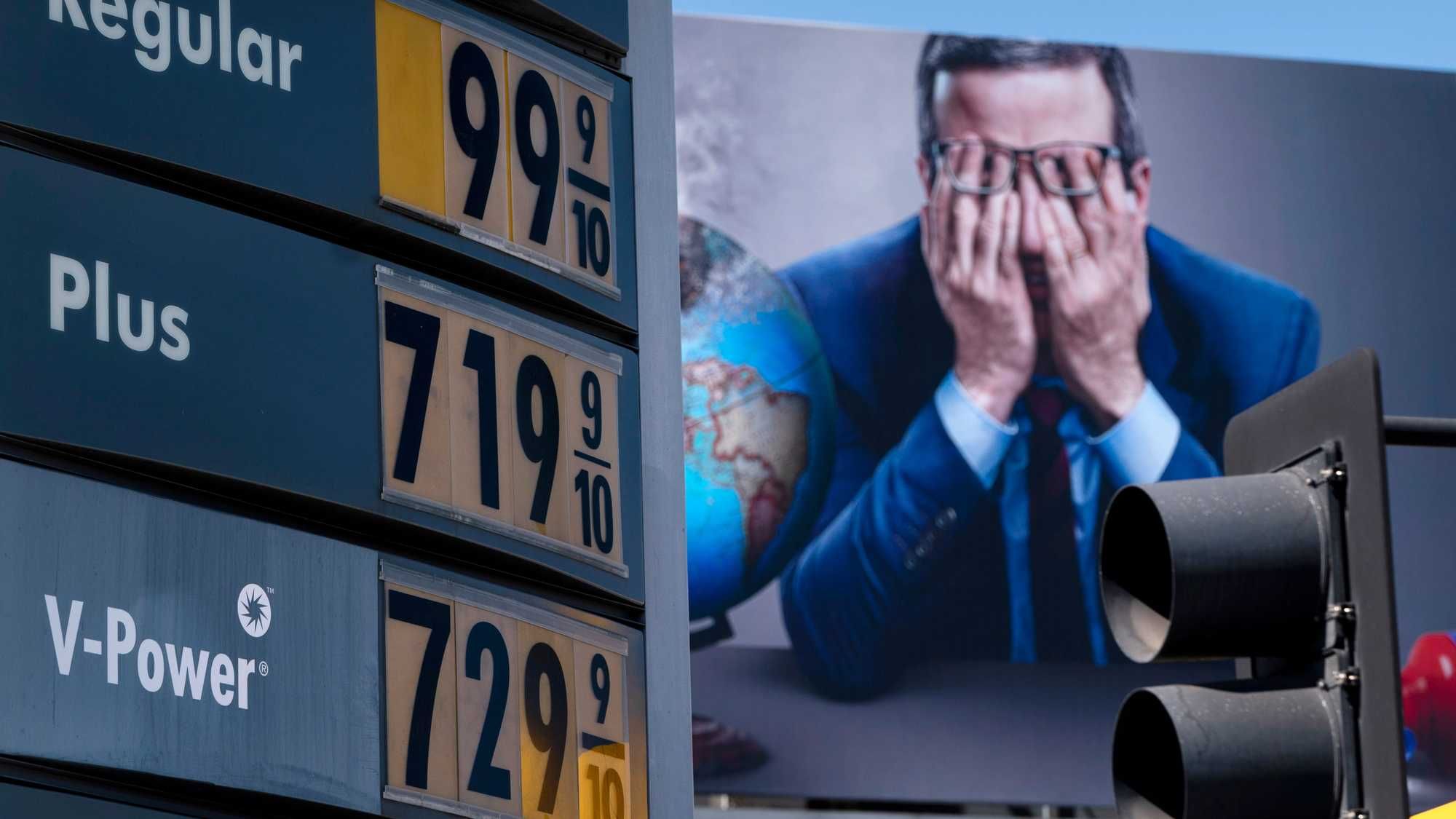
The highest price ever for a gallon, locally, was $4.28 a gallon, on July 17, 2008.
"This is what happens when you have a sudden and massive shift in supply or demand. In this case, it's supply," said Patrick DeHaan with Gas Buddy. "The sanctions that we've applied on Russia have had a massive effect on curbing oil flow from Russia. It's having a profound impact on Russia, but it has also made a massive tilt in the balance between supply and demand, and suddenly there's not enough supply to meet demand. And that is playing out at the pump," he said.
DeHaan expects prices to continue going north until there is a tipping point where demand starts going down. When might that be?
"It's very tricky to predict when consumers will react and curb their consumption," said DeHaan. "The magic number could be five dollars a gallon. But until we get there, prices are going to continue to search for that point. We are not going to see any relief until supply improves, or demand starts to decline noticeably."
Jill Schlesinger from Jill on Money.com reminds us that oil is a global market. And when the fear is that there will be no more Russian oil flowing into European markets, then the price of oil rises. Schlesinger said it affects all of us as the markets are inter-connected.
"A barrel of oil went from $92 to $130 dollars over the course of twelve days," she said. Oil is the biggest component of gas, plus everything costs more to ship. So the supply chain crisis from months ago is re-ignited. Everything will cost more to get to where it needs to go."
The outlook is ominous. What happens if the G7 decides to choke-off all energy exports from Russia to the rest of the world in an effort to cripple the Putin regime? Schlesinger said we will see oil spike even more, and gas prices continue to rise.
Where does she see the breaking point with consumers? "I don't know. We haven't reached it yet. As a result of Covid, a lot of people saved a lot of money during the past two years. The 55% who invested in the stock market have seen stock prices go up far more quickly than the price of everything else out there. We have not seen any dip in people wanting to travel. People are doing things. We don't know where the breaking point is.
Schlesinger suggested a couple of options. 1. Drive less. 2. Try negotiating with your boss. "Many of us just came off a period where you proved that you could work from home. While employers are trying to bring people back to the office, there are plenty of employers who are willing to hire you and they don't require that." Schlesinger thinks that will become a real competitive ask among a lot of workers. She expects to see more of it as the inflationary period continues.


