

Tonawanda, N.Y. (WBEN) - Winter is right around the corner in Western New York, which means soon many will be cranking up the thermometers in their homes and using more energy to stay warm. That also means many may see a jump in their energy bills in the coming months ahead.
What is being done, and what remains to be accomplished with trying to lower utility rates across New York?
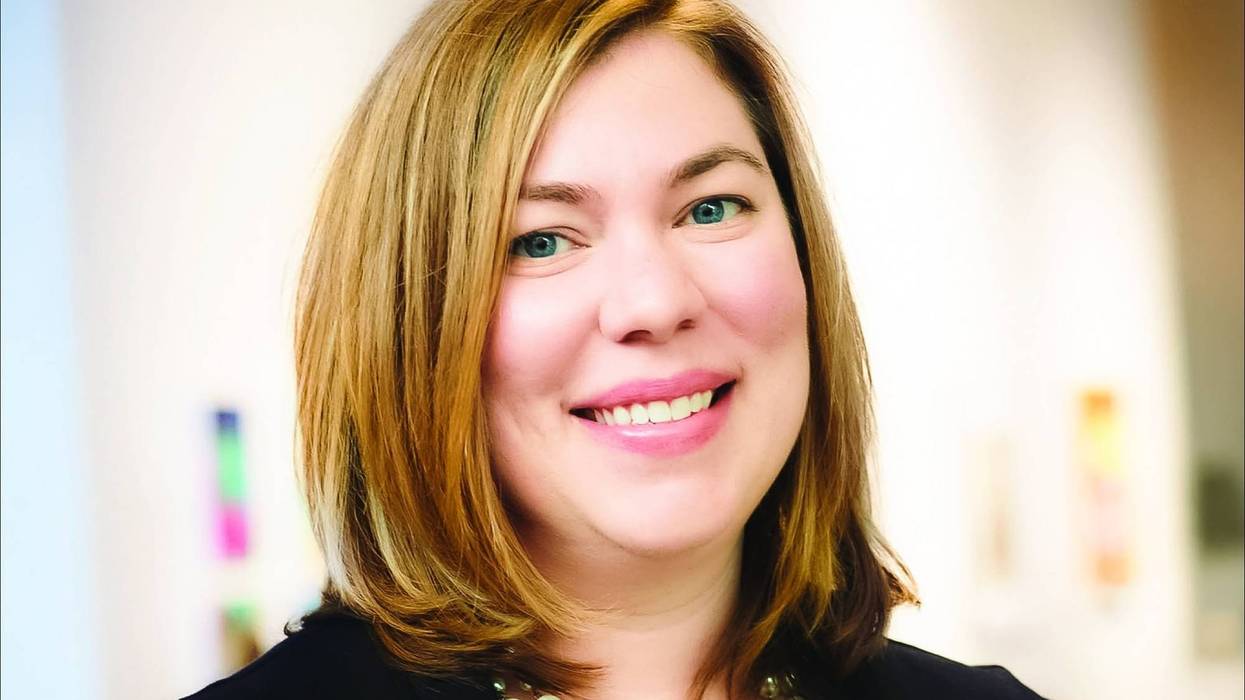
State Assemblyman Bill Conrad (D) says lawmakers locally have been really looking at the transmission cost of energy for consumers.
"That has been probably the biggest eyesore in most people's bills as that cost goes up," said Conrad in an interview with WBEN. "We're trying to come up, I think, with this session more creative ways to kind of make sure that we're getting our fair share of what is exactly needed of us to pay for that transmission. If you look at your bill, it's not necessarily the power generation; it's the transmission that has been 60%, 70% of our bill right now."
Conrad points to one move made this year that he's hopeful can make a difference with lower utility bills this winter.
"One of the things we did was we capped the ability of a utility, essentially, to use their profits to raise the salary of their CEOs. You take a look at some of these salaries of the folks that are running these utilities, and they were able to work that into their regulation, and I'm like, 'No, that can't happen,'" Conrad said.
He also says the conversations around data centers have brought up several ongoing debates in the community, but his focus right now will be on transmission.
There's a wide variety of opinions from other lawmakers in New York on how to lower utility rates, according to Conrad.
"I've got colleagues that want to essentially take over, municipally own power production and transmission away from the utilities. You see some smaller communities, like Akron here in New York and others, who enjoy a cheaper rate. Well, that's because they don't have a stockholder to respond to," Conrad noted. "At the same time, we know that the way these utility companies make money isn't necessarily on the supply of that energy, but the capital expenditures that they do. So every improvement they do, they make money on that. It's a return on investment, as you would say. There's a lot of proposals."
As some want to completely take over utilities for a community, others like Conrad are working with the independent power producers and looking at putting some transparency on why costs are the way they are, and what is this return on investment?
"Maybe we should be opening that up to open bids like every other municipality and organization, because right now, it's solely on those utilities to tell us what it's going to cost," Conrad added.
With there now being less than a month until Election Day, several politicians and hopeful candidates are putting out their own messaging and view points on rising energy costs. Being a part of the Assembly's Energy Committee, Conrad understands well that the problems many are facing in New York State are the exact same problems people are facing in places like Florida, Texas and beyond.
"Obviously, our system is old; it's an older infrastructure. We have more demand, and as we know in economics, when you have a high demand and a low supply, it's going to rise costs," Conrad said. "I'm concerned about making sure the lights stay on, gas flows, and that we have an above all approach. I've always been a big fan of that.
"We've done some great things here in New York. We have lowered emissions, we have done all this. But now it's time to start looking even finer at some of the technologies and things that are available that maybe we haven't. And I think that's going to be a lot of the focus this year."
As energy costs will continue to be a point of emphasis for lawmakers and others in the coming weeks and months, Conrad says work needs to continue to find a common sense solution.
"No one wants the lights out - I don't care red or blue or whatever. No one wants their utility bills to go up. Nobody wants to harm the environment. But at the same time, I think the unintended consequences have to be evaluated," he said. "I'll tell you right now, most of my work is around the regulations that come after the law is passed that we don't really have a lot of say on, whether it's HFCs [Hydrofluorocarbons] or what have you. So for me, I think making sure that my colleagues get into the fine tuning of what regs are, something that we haven't done before in terms of the oversight, I think that's really important.
"I'm just looking for practical solutions. I'm not looking to upend any type of system, but at the same time, we'got to take a lot closer look and start to look at those unintended consequences."
"The problems we're facing in New York are the problems we're facing in Florida, Texas and beyond" - Assemblyman Bill Conrad
"The problems we're facing in New York are the problems we're facing in Florida, Texas and beyond" - Assemblyman Bill Conrad