


History is said to be written by the winners.
In New Ulm, the locals believe both sides need to be honored in one of the bloodiest battles ever fought in Minnesota
"We need to keep that story alive," said Kathleen Backer of the Brown County Historical Society, which hosts the annual commemoration of the US-Dakota War, which happened 160 years ago this month.
"The Brown County Historical Society worked very closely with the Minnesota Historical Society and the Lower Sioux Community to bring to life, or acknowledge the Native Americans as human beings," Backer said. "That they had a culture, they had a religion, they had a lifestyle. They were unique to the settlers but an important lifestye."
In 1862, New Ulm came under seige by a small group of Dakota tribal members in one of the earliest battles of the month-long Dakota War.
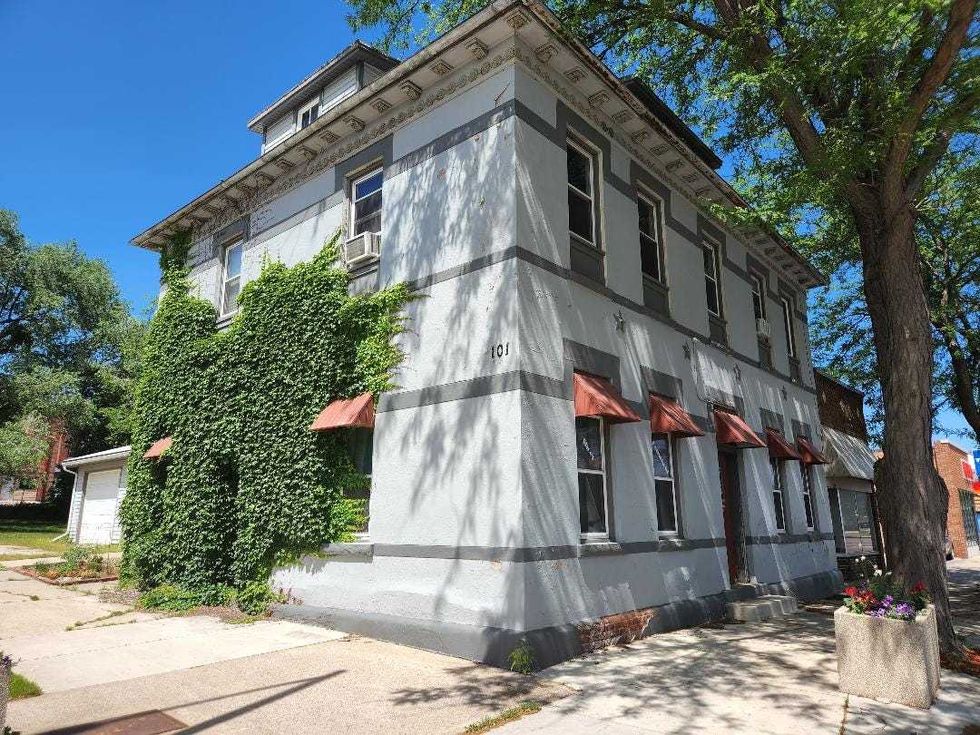 Original post office in New Ulm still stands 160 years after Dakota WarAudacy
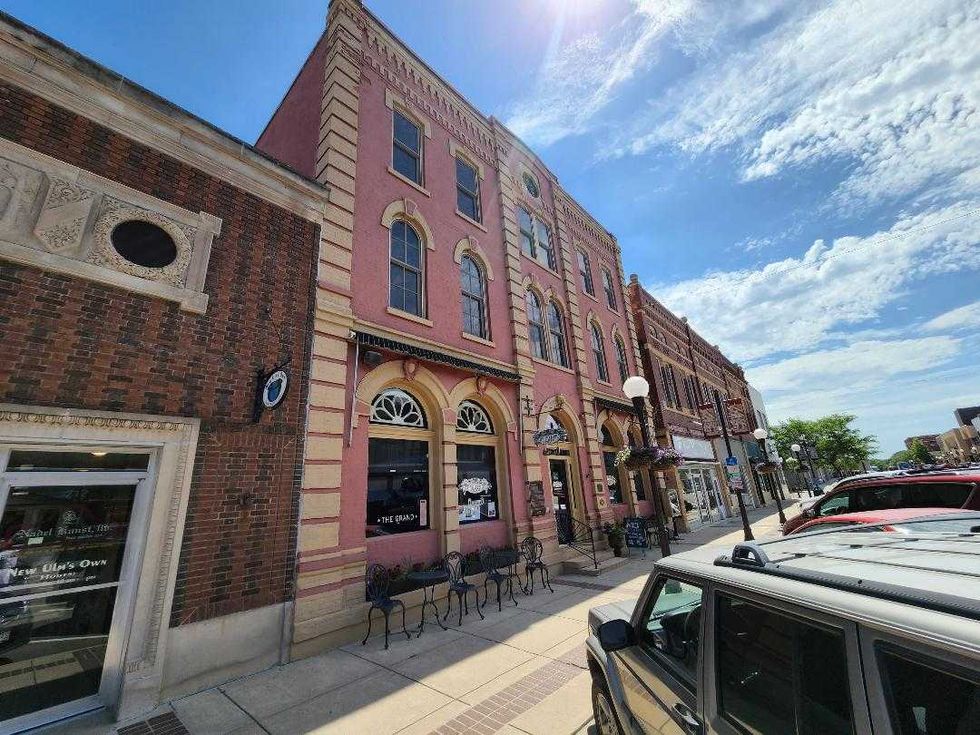 New Ulm Grand Hotel was a hospital during Dakota WarAudacy
The settlers of New Ulm barricaded the central part of the community which, by then, included 250 buildings.
Of those structures, 190 were burned down.
Some of those that survived are still there.
"There's a building that served as the post office, the Erd Building where refuge was taken by the early settlers, the Grand was a hotel but served as a hospital," said Backer.
Also still there are the remains of those killed during the battles.
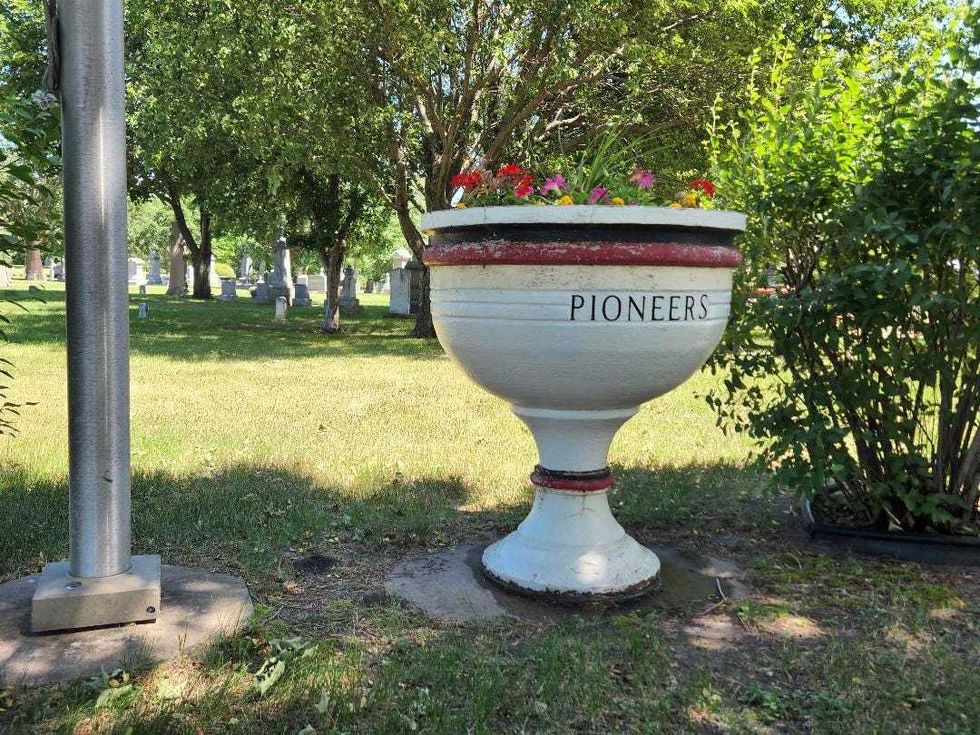 New Ulm city cemetery Pioneer SectionAudacy
They were interred in what is now the Pioneer Section of New Ulm's city cemetery.
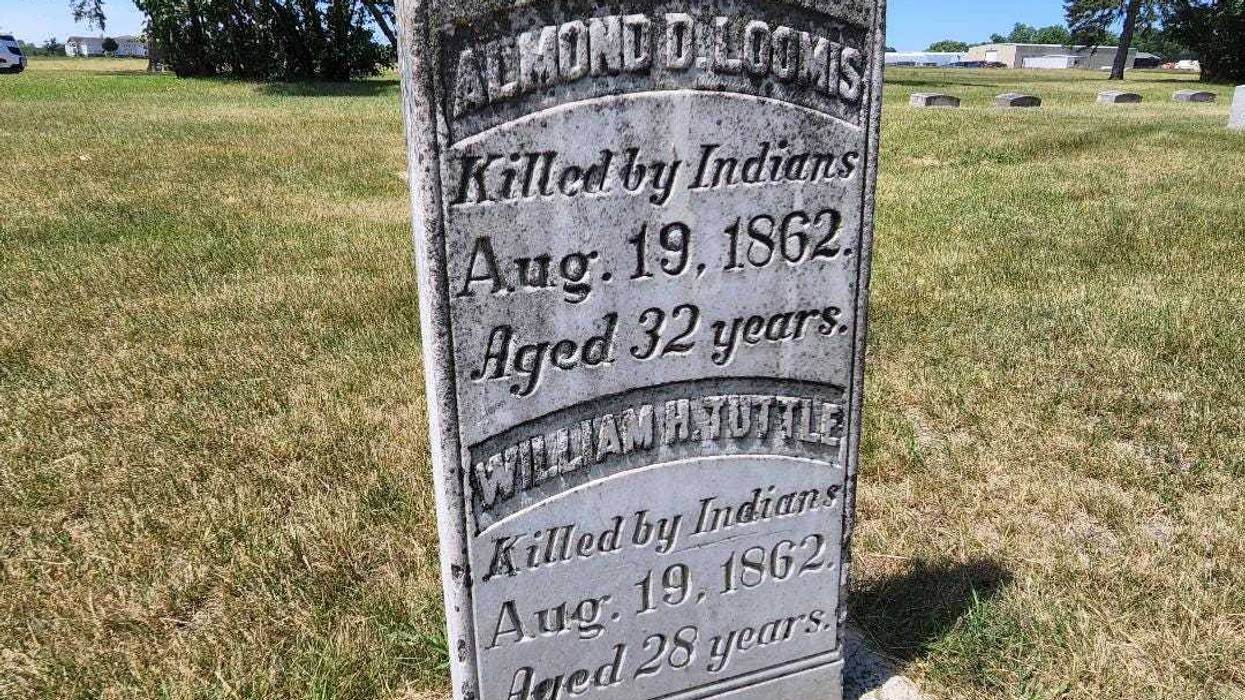
Tombstones show many died in late August of 1862.
Etched on the granite: "Killed By Indians."
Many more were buried there without markings.
"In some cases, entire families were gone, and so (the graves) weren't marked," Backer said. "It was a different time."
In the 1980's, there was a concerted effort in New Ulm to research the Pioneer Cemetery and find who was buried where.
They were able to find a large number of unmarked graves, and further research identified the remains.
Flat headstones were added to those graves.
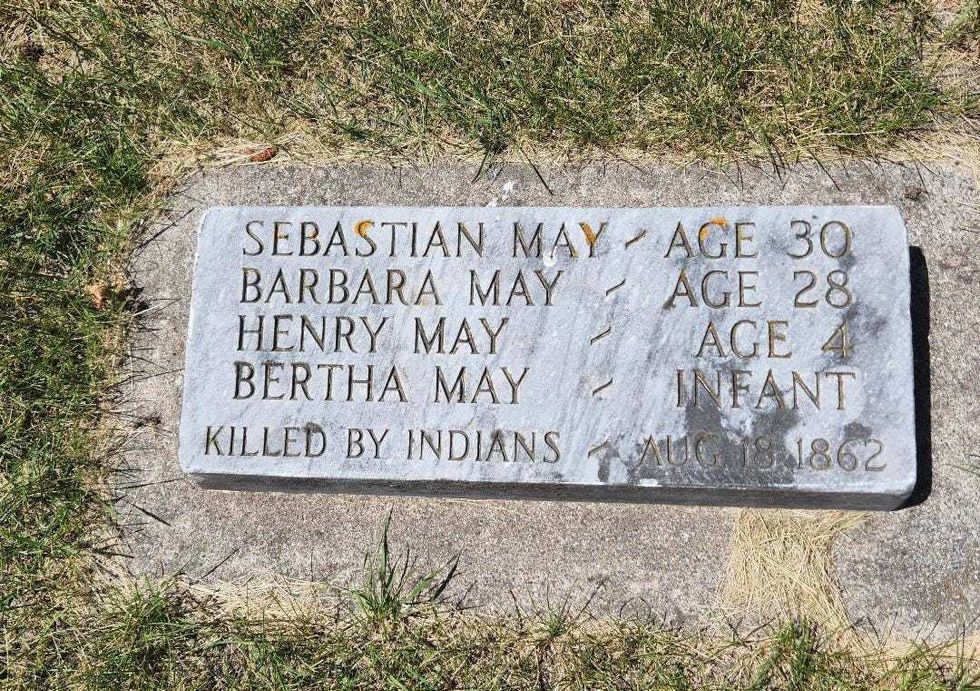 Research uncovered unmarked graves, and new markers were createdAudacy
Again, written on the marker: "Killed by Indians."
The memory of the Dakota War battle of New Ulm is renewed starting Tuesday with the first of a week-long series of programs.
They include talks about Bishop Henry Whipple, who urged clemency for the Dakota who fought federal troops 160 years ago.
There are wreath layings at the cemetery, and a banquet highlighting what some have called Minnesota's own civil war.