

Oil prices sank again Tuesday and dropped below $80 per barrel for the first time since early March, while U.S. stocks drifted near their all-time highs in mixed trading.
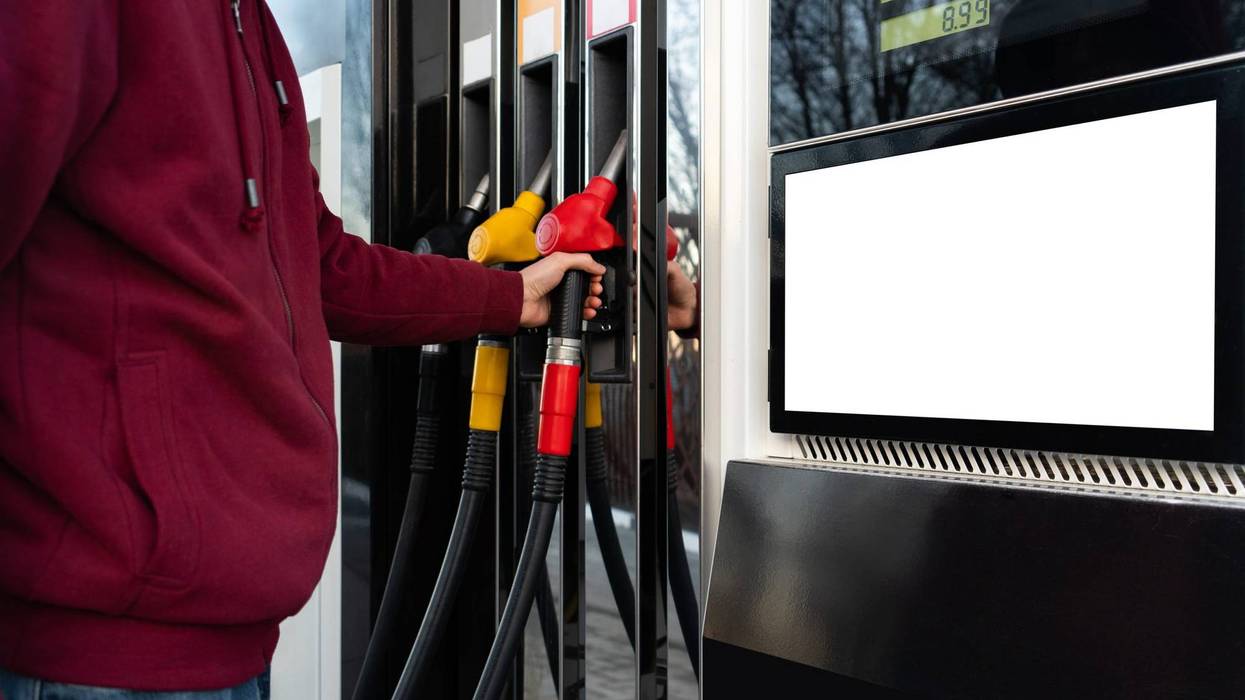
The drop in oil prices have consumers wondering when they'll see further drops at the pump - some of those drops have happened on the expectations the ceasefire and tentative agreement to end the war in Iran is going to reopen the Strait of Hormuz.
"The decreases have already been going on," says Gas Buddy Analyst Patrick De Haan. "The decreases that we can attribute to the weekend MOU are just starting to ramp up. Oil dropped yesterday on the market. That means that stations last night that were buying gas, stations only buy every two to four days, the first stations were getting lower prices last night. Today some of those stations are starting to lower prices from yesterday."
De Haan does say that if you're hoping to see those pre-war gas prices soon, you are likely to be disappointed.
"Don't expect gas prices to get back down to their pre-war level for potentially over a year, and oil prices too," De Haan adds. "They're not going to get back down to their pre-war level potentially for a year because in the backdrop, the last three and a half months, we've missed out on 1.5 billion - billion - barrels of oil that would flow through the Strait."
De Haan also points out that this is all speculative at this point. The full agreement between the U.S. and Iran is not finalized. Any setbacks there, and De Haan says prices will head right back up to where they've been for several months.
De Haan points to the U.S. strategic reserve of petroleum, which has been used to keep prices somewhat down during the conflict.
"Our own strategic reserve fell yesterday to its lowest level since 1983," he says. "It's going to start being refilled in maybe a month or two. The releases are going to continue until late this summer. Only after that do those inventories start to fill back up. And this is again, once that happens, it's like filling an Olympic-size or maybe three Olympic-sized swimming pools with a garden hose. It's going to take probably over a year for us to get inventories back to pre-war levels, and only then will we get gas prices back to pre-war levels."
Tech stocks weigh on a mixed Wall Street
The S&P 500 slipped 0.6% and pulled 1.3% below its record set earlier this month. The market was nearly evenly split between stocks rising and falling, and the Dow Jones Industrial Average added 328 points, or 0.6%, to set a record for the second straight day. But drops for some influential tech stocks pulled the Nasdaq composite down 1.2%.
Stocks that had benefited from the boom in artificial-intelligence technology weighed on the market in particular following vicious swings over the last couple weeks.
They’ve been leading the market up and down amid worries that their stock prices shot too high in the mania around AI. That’s taken a toll because chip companies, makers of computer memory and other AI winners have grown so massive that they’ve become some of Wall Street’s most influential stocks.
Drops of 2.4% for Nvidia, 4.4% for Broadcom and 6.2% for Micron Technology were the heaviest weights pulling the S&P 500 lower.
Dave & Buster’s Entertainment sank 6.2% after reporting a weaker profit for the latest quarter than analysts expected, while Robinhood Markets fell 1.4% after the investing platform said that it’s laying off about 10% of its full-time employees.
On the winning side of Wall Street was SpaceX, which rose 4.8% for its third straight gain since its debut on the U.S. stock market. It said it’s moving forward with a purchase of Cursor, a popular AI coding assistant, valuing it at $60 billion.
Yum Brands climbed 1.9% after it said it’s selling the Pizza Hut chain for $2.7 billion. Most of the restaurants will go to LongRange Capital, a private equity firm. Those in mainland China will go to Yum China Holdings.
All told, the S&P 500 slipped 42.94 points to 7,511.35. The Dow Jones Industrial Average rose 328.64 to 51,999.67, and the Nasdaq composite fell 307.60 to 26,376.34.
The strongest action was in the oil market, where optimism continued that a tentative U.S.-Iran deal on their war will reopen the Strait of Hormuz at the end of the week and get the global flow of oil going again. The price for a barrel of Brent crude fell 5.1% to settle at $78.96.
Significant hurdles remain in the negotiations, including what to do with Iran’s nuclear program. But the hope on Wall Street is that this agreement will mean a long-term fix to a conflict that has worsened inflation around the world. The price of Brent has come down sharply from its $100-plus level of a few weeks ago, though it could still take months for the energy industry to get back to full speed.
In stock markets abroad, indexes rose in Europe following a mixed performance in Asia.
Tokyo’s Nikkei 225 briefly topped 70,000 for the first time before ending with a modest gain of 0.1% after the Bank of Japan raised its benchmark interest rate to 1%. That’s its highest level in three decades, and it followed a similar move by the European Central Bank last week.
The Federal Reserve began its own meeting on what to do with interest rates Tuesday, with an announcement on the decision scheduled for Wednesday.
It’s the first meeting under the Fed’s new chair, Kevin Warsh, who was nominated by President Donald Trump. Trump has been pushing for lower interest rates, which would give the economy a boost but also threaten to worsen inflation. The widespread expectation, though, is that the Fed will leave its main interest rate alone again.
In the bond market, the yield on the 10-year Treasury fell to 4.43% from 4.47% late Monday and from 4.56% earlier this month.
High yields in bond markets worldwide caused by expensive oil prices have threatened to slow economies and undercut prices for all kinds of investments, including stocks and cryptocurrencies.
High yields have already sent mortgage rates higher, and a report on Tuesday said construction crews broke ground on far fewer new U.S. homes in May than economists expected.