


Low income homeowners in Minnesota can access financial grants to make critical repairs on their homes, but they must act fast.
There is a March 31, 2026 deadline to apply for this funding.
Rebuilding Together Minnesota, a local nonprofit that has served low income Minnesotans for 28 years, distributes funding to support homeowners who are in need of critical repairs and/or mobility modifications that they can’t afford.
This funding is not a loan, it is a grant that will never need to be paid back.
“Our goal is to keep people in homes that they already own, to keep them from losing that home or becoming homeless. We want to make sure they can stay there safely,” explained Kathryn Greiner, executive director of Rebuilding Together Minnesota.
Over the years, Rebuilding Together Minnesota has provided money to repair or replace elements of a home from the roof to the basement. Funding those home projects has allowed countless families to remain living in their homes or manufactured homes.
When people can afford to keep their homes it can both prevent homelessness and build generational wealth for them.
“We take a look at deferred maintenance, things that have been left to deteriorate because it’s too costly to fix. If homes fall into disrepair, people could lose the home because they are no longer safe. Our goal is to get in there and take care of those things so families can not only stay put but also pass the home on to the next generation,” Greiner said.
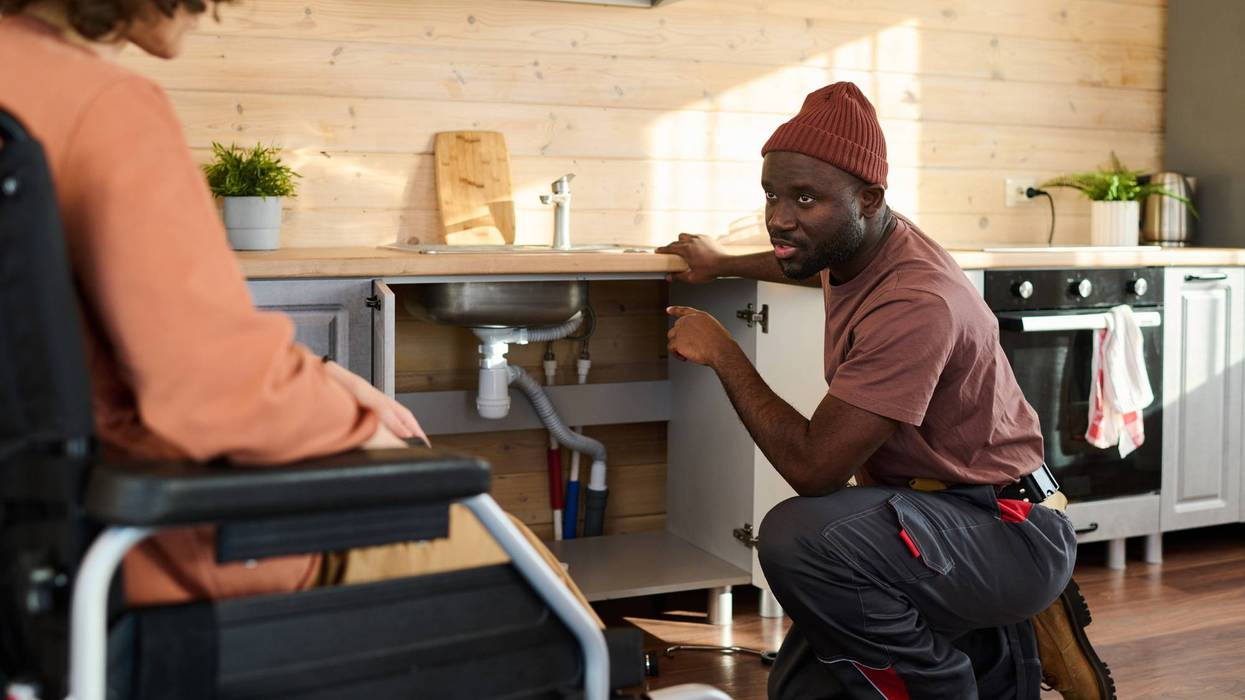
Rebuilding Minnesota Together has decades of experience working with plumbers, electricians, HVAC contractors and other construction professionals.
In addition, their Safe at Home program also funds home repairs, modifications and updates that will allow older homeowners to remain in healthy housing so that they can continue to live independently in their homes as they age.
The Safe at Home program is also available for low income homeowners with disabilities.
“We work with occupational therapists that we hire to see, for example, what are the things in the home that could cause someone to fall? Do they have grab bars, do they have stair railings on both sides of the stairs so they are safe going up and down the steps. What’s the lighting like, do they need a ramp?” she added.
“We know these people have that social security check but that isn’t going to cover the updates and repairs that they need.”
The Rebuilding Together Minnesota grants are available to low income people who are homeowners. They can own their homes outright or be paying a mortgage, but to qualify they must be current on their mortgage and property tax payments.
Grants are based on household income. The information about income requirements to qualify are spelled out here.
The grant application is simple; it’s estimated it takes about 15 minutes for a homeowner to complete. The application can be done online at Rebuilding Together Minnesota. The link to apply is here.
Applicants who need support can call 651- 776-4273 during business hours.
The grant funding closes as of March 31, 2026. It will reopen for new applicants in October, but low income homeowners in need of financial assistance, from replacing a leaky toilet to obtaining a new roof, should apply immediately. Again, the funding is a grant that will never had to be paid back.
“Our goal is to get in there and take care of things so that a family can keep that home for their kids or for grandma and grandpa to be able to leave it to someone in their family,” Greiner said. “That home is the center of their lives and we want them to be able to stay there.”