

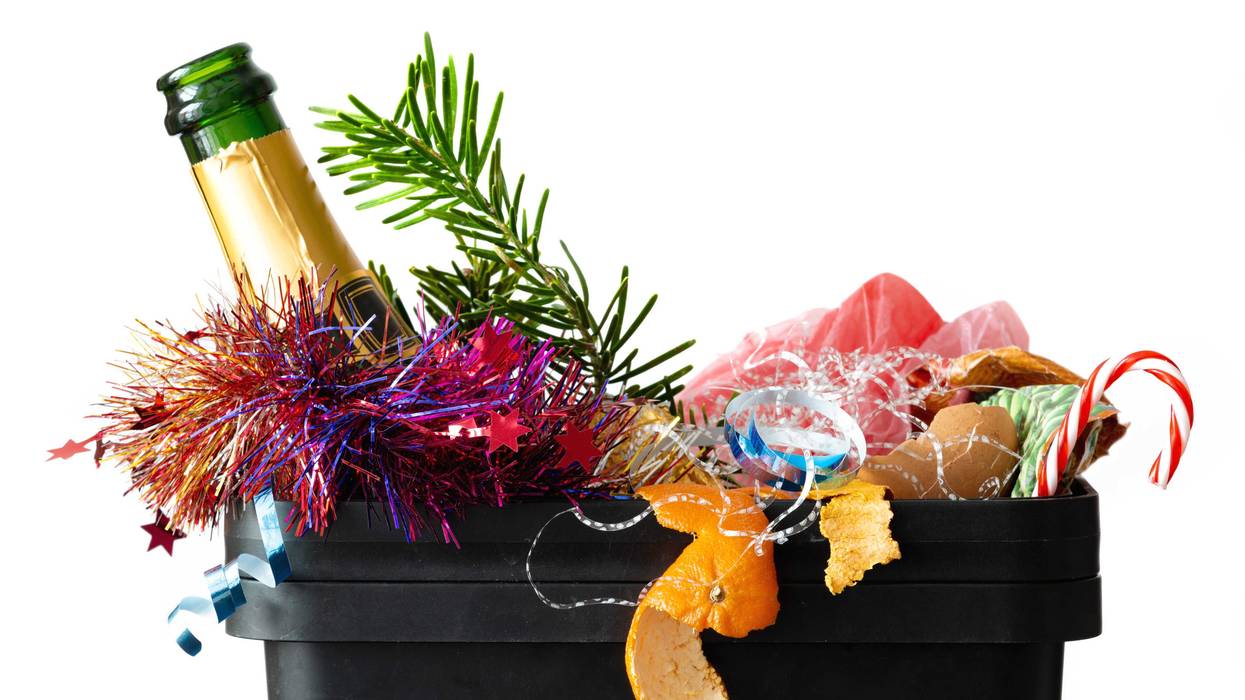
A family of four typically wastes $3,0000 worth of food each year. That's a lot, and in fact it can become a major problem for landfills when you toss all that organic product in the trash.
With the Holidays fast approaching we present a few tips to cut down on tossing extra food.
Whether you're hosting or attending a holiday gathering, Jenny Kedward, a Food Waste Prevention Specialist has some advice for you.
"The big things are not planning and then just not being flexible," Kedward says. "So, we set ourselves up for failure when we over shop, overeat, overproduce for a holiday party. So it's just a lot of planning and not being prepared."
And if there is extra food, what can you do to preserve that and not toss it?
"That veggie tray, can you put those carrots and celery, cut them up, put them in a stew that you're gonna have the next week? Or if you don't have a plan to eat them in the next few days, throw everything in the freezer. I love the freezer. It's yours, it's my best friend."
Kedward says another good way is to contact people in your community using the app Olio, a free community sharing platform for giving away, getting, borrowing, or lending surplus food and household items locally to reduce waste.
And as we all know, besides laughter, cheer, and drinks, the most common commodity during holiday gatherings is the food.
But, Kedward says all those organics can pose an ecological problem.
"When food goes to a landfill, it slowly decomposes because it's in a different environment than like a compost facility," she says. "It will produce methane, and actually landfills are one of the largest contributors of methane, a powerful greenhouse gas. So we definitely - food does not belong in the trash."
Kedward says some great ways to prevent the waste of excess food is to simply have guests take extras home with them.
If you must get rid of excess food, don't just trash it. Most communities have compost drop offs which are better equipped to process those things than traditional landfills.