


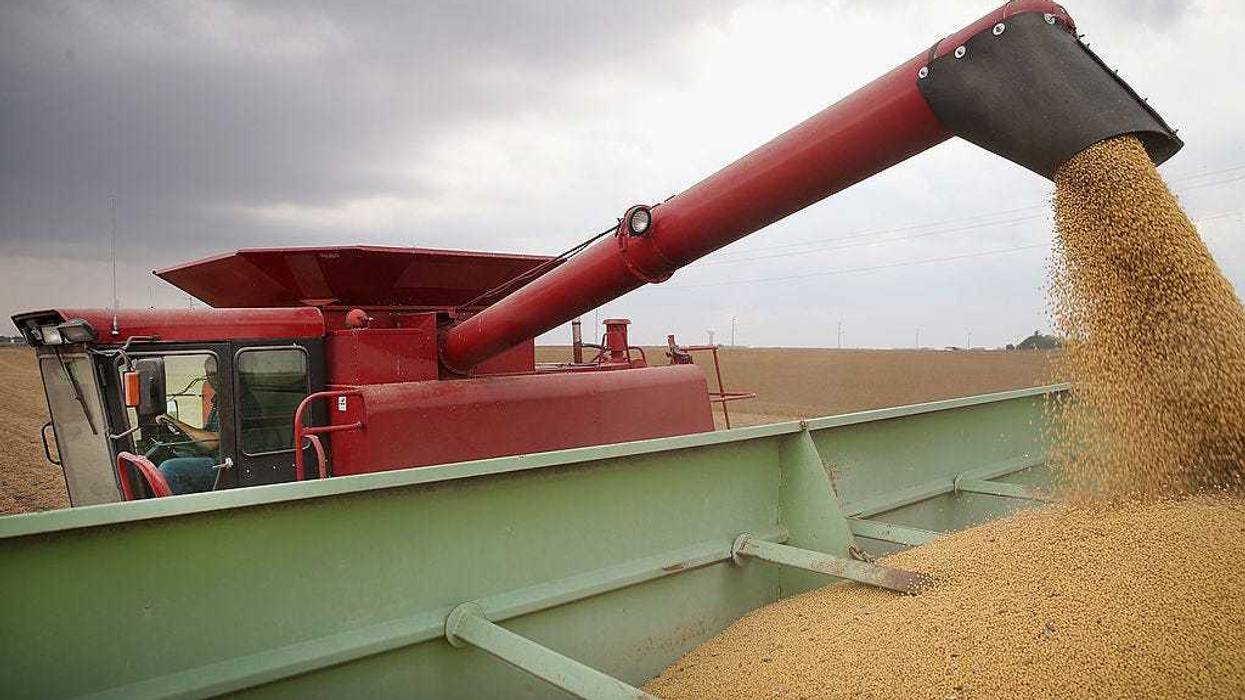
The possible end of the Iran war is still being discussed. But is it too late for farmers in the U.S. who have been hit particularly hard by an increase in fuel and fertilizer costs?
The president of the Minnesota Farmers Union says he's skeptical about promises from the Trump administration that the Ag industry will be helped by current peace negotiations with Iran.
Farmers Union President Gary Wertish told Vineeta Sawkar on the WCCO Morning News Tuesday that he'll believe it, when he sees it.
"The one thing I do know, the president's decision to go to war with Iran is really affecting farmers, is the price of diesel fuel, the price of fertilizer, and those are long-lasting effects," says Wertish. "If we sell them some corn or soybeans, that's fine, but it's going to take a lot to overcome the higher prices."
Wertish says he worried that if prices do go down after the conflict with Iran is settled, they still won't be as low as they were before the attacks began.
The interim deal to end the fighting in Iran, signed last week by the leaders of the U.S. and Iran, sets a 60-day period for negotiations on key issues, including the future of Tehran’s nuclear program amid concerns that Iran wants to use it for military purposes, a claim the country denies.
Iran effectively closed the Strait of Hormuz after the U.S. and Israel attacked on Feb. 28, causing fuel prices to skyrocket far beyond the region. The interim agreement to end the war was supposed to reopen the channel. Dozens of ships passed through it over the weekend, even though the main route is still mined and closed.
In a Truth Social post Tuesday, President Trump made the case that the reopening of the Strait of Hormuz, and the reported money going to Iran, will be used to purchase corn, wheat and soybeans "from our great American Farmers," adding these are things that are desperately needed by Iran. Vice President JD Vance has suggested similar proposals during negotiations in Switzerland.
However, Iran has no current demand for U.S. crops and its foreign ministry spokesperson said Tuesday that Tehran’s decisions on what to import would be based on “prices and quality.” Wertish says Iran already produces enough food, and the president rolling back sanctions would have only a token effect on Minnesota farmers.
"We produce more than we can consume. So we do need a viable export market and, you know, the instability that he's created in the Mideast there now, and then the tariffs around pretty much all the countries in the world, that's really made it a challenge to export our products," Wertish adds.
Ship traffic has picked up in the Strait of Hormuz since Iran and the U.S. signed an interim deal to end a war that constricted global oil supplies and fueled inflation, but questions surrounding control of the vital waterway and whether vessels will be charged tolls to cross it could interfere with negotiations to forge a lasting peace.
Tehran and Washington clashed over the Strait of Hormuz again this past weekend. Citing Israel's latest attacks on Lebanon, Iran declared that it reclosed the strait. The U.S. was quick to contest that. Maritime tracking data showed that dozens of ships passed through on Saturday and Sunday, though far fewer than the daily average before the war.
President Donald Trump suggested the U.S. might impose its own tolls on strait crossings if a final deal with Iran was not reached during the countries’ 60-day negotiating period. Passage was free before the war, but Iran last month established a new governmental authority to collect money from ships and has said it still expects vessels to register with the Persian Gulf Strait Authority.
AP Business Writers Wyatte Grantham-Philips and Mae Anderson contributed to this story.
"The president's decision to go to war with Iran is really affecting farmers," says Minnesota Farmers Union President Gary Wertish
"The president's decision to go to war with Iran is really affecting farmers," says Minnesota Farmers Union President Gary Wertish


