


Some Minnesota service providers are expressing frustration at the slow pace of revalidating their programs.
The Minnesota Department of Human Services is processing appeals from disenrolled providers as part of a statewide fraud crackdown. DHS says most of them had incomplete paperwork or failed site visits.
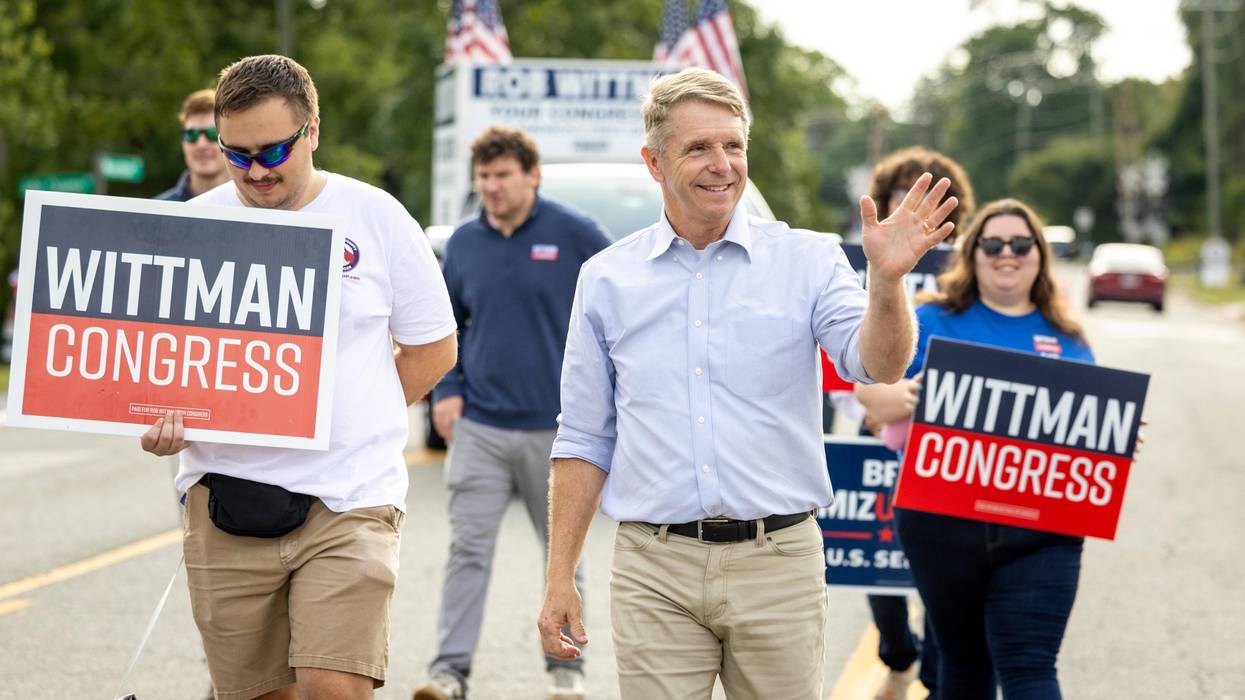
GOP state Senator Andrew Mathews has been working with providers and people concerned about not having a program to help their loved ones.
"And family saying we don't know what we could do if we were suddenly closed down and didn't have these providers available to help us," says Mathews.
It's all part of the process to review all the providers to protect $2 billion in Medicaid funding that the federal government said it was withholding to combat fraud. The Minnesota Department of Human Services has already processed thousands of providers. But about 3,000 more are still waiting and it's causing stress.
Mathews says he's working with many who are trying to appeal their disenrollment letter.
"Where they're submitting all the paperwork they're needing to do for the revalidation process, and it's not being looked at, or not going through, or things are happening on their portal," he explains. "And they're trying to follow up with the agency to ask what's up with them."
In February, Vice President JD Vance and Dr. Mehmet Oz, administrator of the Centers for Medicare and Medicaid, announced that $259.5 million in Medicaid funds for Minnesota won’t be reimbursed pending investigations into fraud issues.
"Announcing today that we have decided to temporarily halt certain amounts of Medicaid funding that are going to the state of Minnesota in order to ensure that the state of Minnesota takes its obligations seriously, to be good stewards of the American people's tax money," Vance detailed.
Last October, Minnesota Governor Tim Walz ordered a third party audit on the billing practices of 14 Medicaid services that are deemed to be "high risk" for fraud in Minnesota.
"We have notified the state and said that we will give them the money, but we're going to hold it and only release it after they propose, and act on, a comprehensive corrective action plan to solve the problem," Oz added.