

Constitutional Lawyer: Supreme Court decision about Trump's tariffs send strong message of the Court's independence
Trump said he's “absolutely ashamed” of justices who voted to strike down tariffs, including two he nominated
The Supreme Court struck down President Donald Trump’s far-reaching global tariffs on Friday, handing him a stinging loss on an issue crucial to his economic agenda.
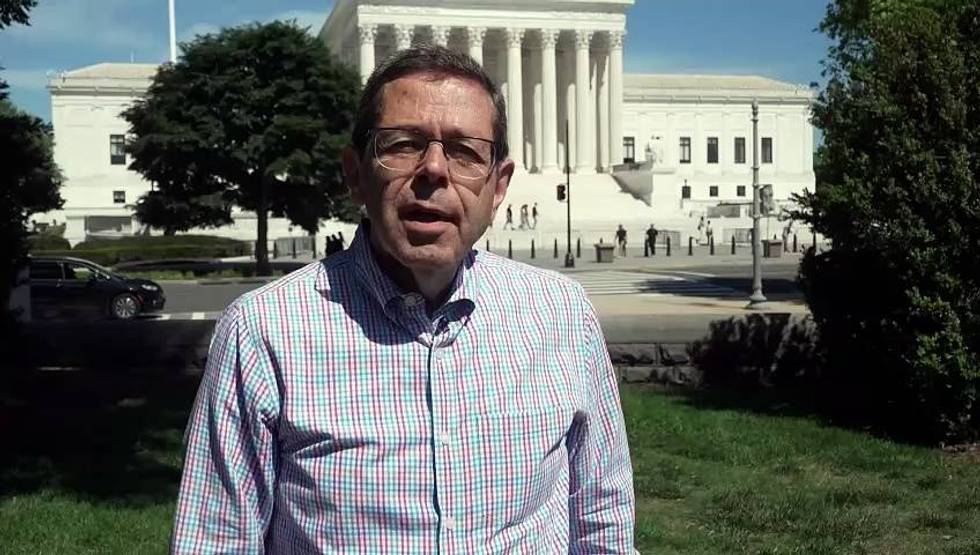
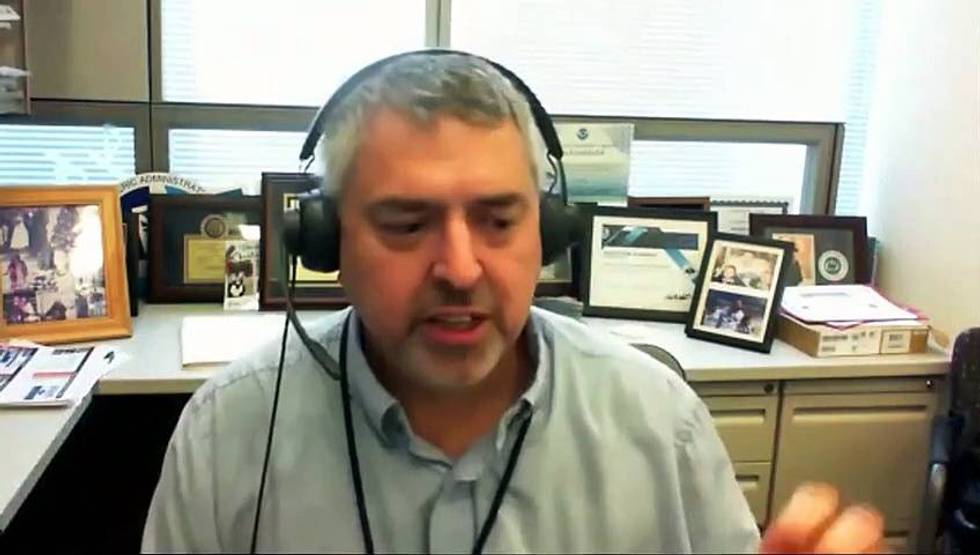
A constitutional law professor says the ruling sends a strong message about the Court itself.
"Does this mean that the Supreme Court is going to be a robust check in every case on the Trump administration? I think that's unrealistic, but something is better than nothing," Hasday explains. "It is a moment of independence. It's worth noting this is the first time the Supreme Court has definitively ruled against one of Trump's second term policies."
The University of Minnesota's Jill Hasday told WCCO's Adam and Jordana she expects lower courts to handle how to sort out the approximately $133 billion in tariffs that have already been collected.
"Businesses pay these tariffs, but in many cases, they pass those costs along to the consumer," Hasday explained. "So it's possible that this will end up being this huge windfall."
Hasday says the ruling marks a moment of independence for the Supreme Court.
The ruling does not end all of the Trump administration's tariffs, however. It only applies to tariffs imposed under an emergency powers law, including the sweeping “reciprocal” tariffs he levied on nearly every other country.
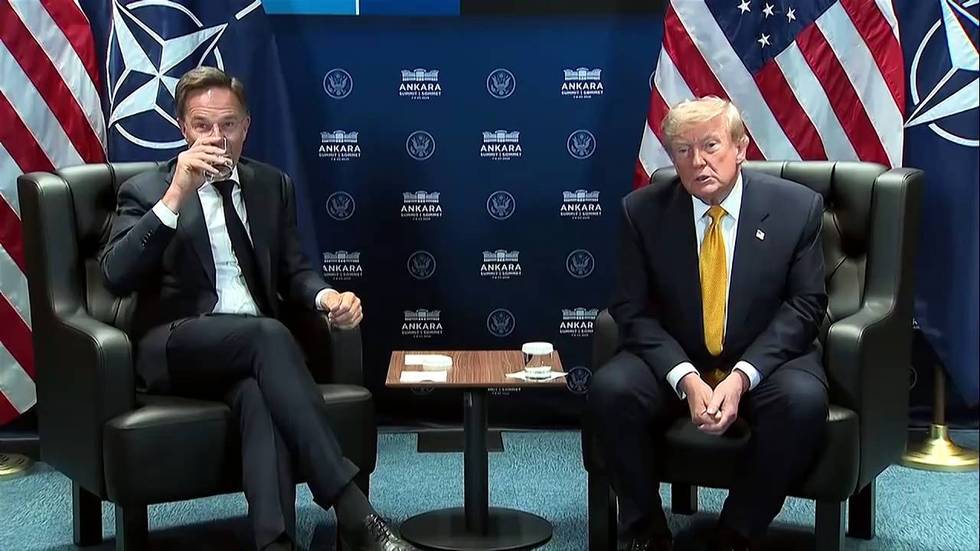
A furious president spoke early Friday afternoon about the decision, and said he will impose a global 10% tariff as an alternative while pressing his trade policies by other means. The new tariffs would come under a law that restricts them to 150 days.
He made that announcement after lashing out at the Supreme Court for striking down much of his sweeping tariff infrastructure as an illegal use of emergency power. Trump said he was “absolutely ashamed” of justices who voted to strike down his tariffs and called the ruling “deeply disappointing.”
“Their decision is incorrect,” he said. “But it doesn’t matter because we have very powerful alternatives.”
The Court's majority found that it’s unconstitutional for the president to unilaterally set and change tariffs because taxation power clearly belongs to Congress. “The Framers did not vest any part of the taxing power in the Executive Branch,” Chief Justice John Roberts wrote.
“The tariffs at issue here may or may not be wise policy. But as a matter of text, history, and precedent, they are clearly lawful,” Justice Brett Kavanaugh wrote in the dissent.
The president is clearly fuming at two of the justices he nominated in his first term who sided against his tariff policy.
“I think it’s an embarrassment to their families, if you want to know the truth. The two of them,” Trump said of Justices Gorsuch and Barrett.
He said, “their decision was terrible.”
Still, he declined to say whether he regretted nominating them.
Reaction from Sen. Amy Klobuchar
Minnesota U.S Senator Amy Klobuchar (D), reacting to President Trump's plan to impose a 10% global tariff on top of the levies already in place, tells MSNOW that the tariffs are losing popularity with lawmakers.
"So I think you're starting to see bipartisan opposition to the president's tariffs, which would affect this, 150 days under this new statute that he's throwing out," Sen. Klobuchar said. "So what he's done is just doubled down and trying to make it worse, which of course is going to create more chaos and costs for the American people."
Klobuchar also added consumers have felt the pinch because of these tariffs and the president is likely going to create more chaos.
"I thought the scariest part, in addition to the continued assault on the rule of law and the Constitution from his press conference, was that he plans to continue doing this," she said. "The processes and the statutes that he could have used and other presidents have used, they're just - he doesn't want to do that. He doesn't want to conduct these investigations. He knows a lot of this won't hold up."