

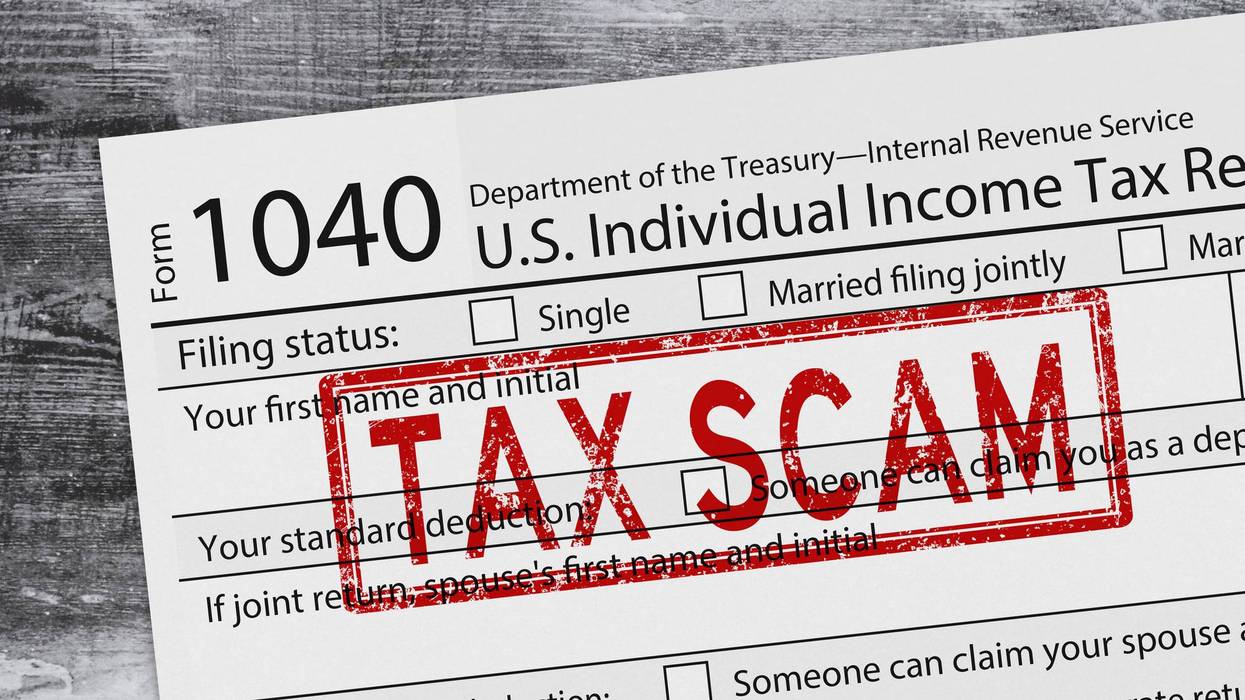

Tax scams are on the rise. Robocalls, texts, and phishing emails from scammers are up this tax season compared to previous years, according to the consumer protection bureau of the FTC.
Consumer advocates and government officials are urging the public to stay wary, to stop and think before engaging with phone or text messages.
They also add that the IRS will not contact you directly by text or phone, saying that artificial intelligence has likely contributed to the increased volume of fraud attempts.
Many people are in the middle of filing taxes, while some wait until closer to the filing date of April 15. CBS News Business Analyst and host of Jill on Money, Jill Schlesinger, talked Monday with the WCCO Morning News about these potential scams, and how AI is creating new ways for scammers to reach vulnerable people.
For starters, scams are becoming much more sophisticated.
"It is really important to understand how scammers are out there and what they are doing is so realistic," Schlesinger explains. "It feels like you are being contacted by the IRS when you're not. It feels like you're in big trouble when you're not. It's so, it's daunting, frankly."
She says it is crucial to be more aware about these scams - and that is true even if you filed already.
"If you have filed, you're not out of the woods because the scams keep coming," adds Schlesinger. "They come in the form of, 'oh, there's a mistake on your return, get in touch with us,' right? So what we're trying to do is just bring awareness to this situation and here's what I want you to remember. The main way that the IRS communicates with you is through the snail mail. The United States Postal Service gang. It seems so old school, right? But that is how they roll."
That means anything outside of actual USPS mail is the only thing you should pay attention to.
"They do not text. They do not call you. They do not DM you on social," says Schlesinger. "So almost like if you think about that as like your guiding light principle of this period of time. The reason why that's important is that means that if you are contacted in any of those other ways, you can just presume it's a scam. Absolutely, positively."
For anyone that thinks some information has been given away, there are things to to consider to protect yourself.
"So the IRS has a lot of really good resources, and the most important one I think is this thing called an identity protection pin, an IP pin," says Schlesinger. "And the reason that the IRS is issuing these pins is that there has been this big upswing in the number of fraudulent returns being filed. So, just think about this. You are ready to file your return. You go to the IRS so you hit send, and all of a sudden the IRS contacts you via the United States Postal Service and says, 'oh dear, we have a return for you.' What? How could you have my return? I have not filed. 'Well, we have a return on file.' What they have is somebody who has actually created a tax return in your name with your Social Security number, and they have claimed a refund and that refund is directed in an account that - lo and behold - is not going to you."
She adds that IP pin, that protection, is a really good way to make sure that you lock down your IRS file.
As for who is targeted, it tens to be the very old, and the very young, but Schlesinger also says everybody is targeted right now, and the reason is it's all so realistic.
"Let's say you're really struggling with affordability and you're on social media, scrolling around, knocking around when you should be working," she adds. "I know you, and you see this thing that says, 'hey, I can get you this tax refund. I can get you this.' And it's maybe an influencer, maybe it's what we call a 'fin influencer,' financial influencer, and they say, 'I can get you with this, you're not entitled to this,' and you click on links. Before you know it, you're in the rabbit hole and boy, you're in trouble."
If you feel like you were just scammed, the IRS also has resources for you as part of their website.
"They have a tip line there, IRS.gov, submit a tip," Schlesinger explains. "If you have received a weird looking text or a DM, screenshot it. And then just email it to phishing@ IRS.gov. Because look, we can actually help the IRS flag these frauds and they do have protections in their software to help protect us and the agency itself.
You can find more information on Schlesinger's blog, jilllonmoney.com. Listen every Saturday evening from 7:00 to 9:00 p.m. for "JIll on Money" on 830 WCCO and the Audacy app.
"It is really important to understand how scammers are out there," says CBS Business Analyst Jill Schlesinger
"It is really important to understand how scammers are out there," says CBS Business Analyst Jill Schlesinger