

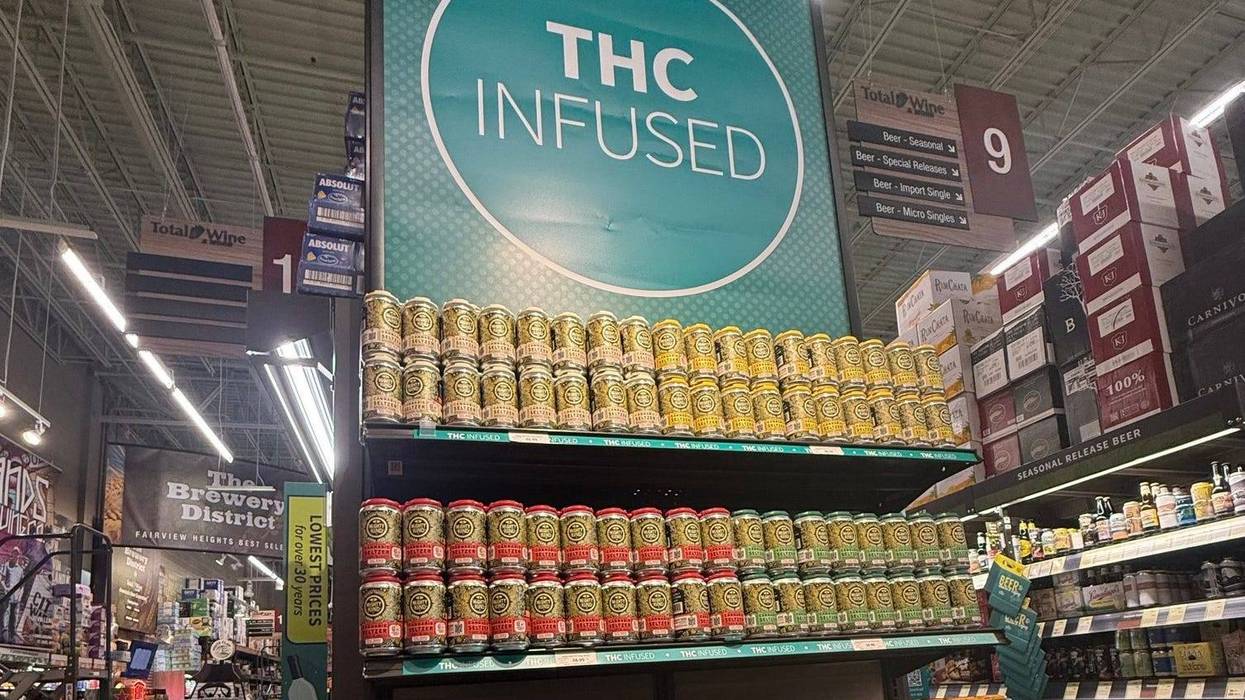

As part of a government funding package last November, Congress passed a bill enacting a ban on most consumable hemp-derived THC products.
The legislation goes into effect this November, and could severely disrupt the industry.
Bob Galligan with the Minnesota Craft Brewers Guild explains the law in more detail.
"It's technically not a ban, but it also kind of is, just because it caps the milligram level at 0.3 mg for any product," says Galligan. "And that ultimately is unsustainable for any THC product out on the market right now."
The current state law allows edibles to contain up to 5 milligrams of THC per serving, and beverages up to 10 milligrams.
Senators, including the Republican Majority Leader in 2018, Mitch McConnell of Kentucky, fought for the legalization of hemp in the 2018 Farm Bill but since that time, some Republicans have bemoaned a so-called loophole in the bill that allowed for the creation of hemp-derived intoxicating substances.
But, the measure passed in Washington which for the first time distinguishes industrial hemp grain and fiber from cannabinoid-producing varieties, also puts the market for intoxicating hemp-derived products on notice. Products now have a limited window to operate unless Congress and the industry deliver a real, science-based regulatory solution by November.
If scaled back this will be detrimental to many according to industry leaders, including Galligan.
"We know on our front as producers, a very low ball estimate we have if this language went through, would be 2,300 jobs just as producers would go away," he says.
Not to mention the millions in lost revenue from businesses.
Now they must convince those in Washington D.C. how important this industry is to local economies.