


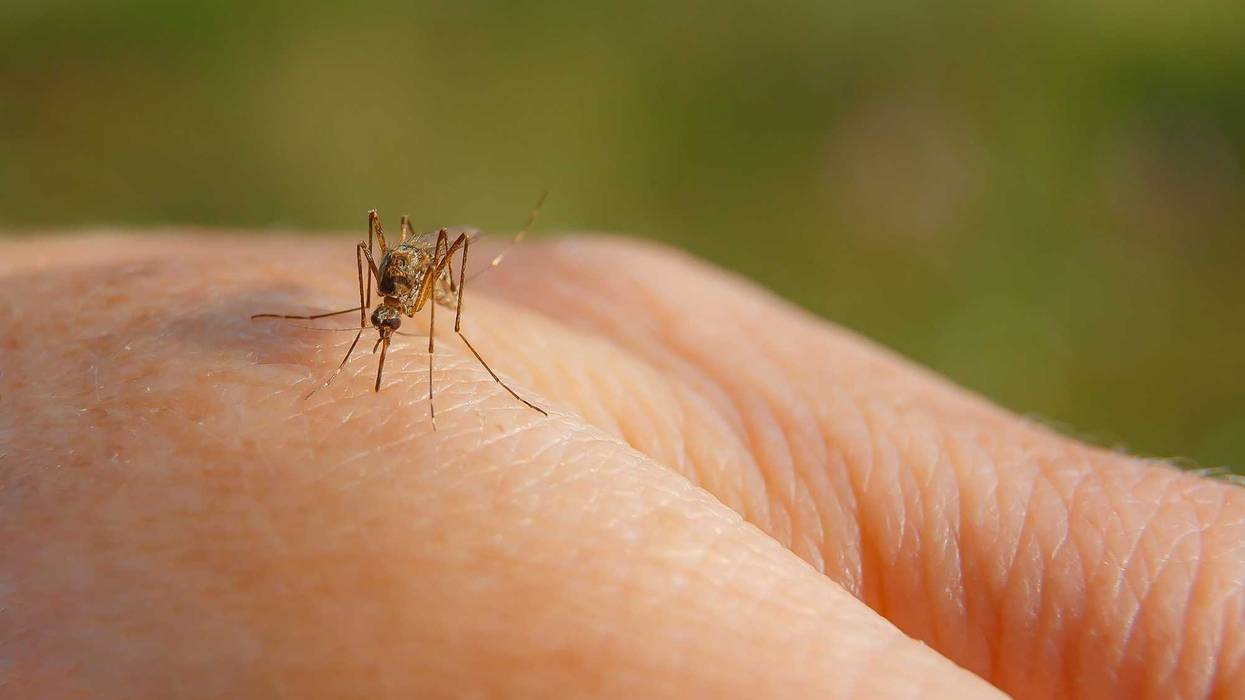

Three counties in the metro area have reported mosquitos carrying the West Nile Virus.
Nile Virus attacks the nervous system. Most infections are mild, but more severe infection may be marked by headache, high fever, neck stiffness, stupor, disorientation, tremors, convulsions, muscle weakness, paralysis, coma, and in 10% to 15% of severe cases, death. Only 1 out of 150 people infected with WNV develop a serious illness.
"So, it presents symptoms as headache, fever, can cause flu-like symptoms, nausea, things like that, but it is spread by specific species of mosquitoes, and they get it from an infected bird," notes Metropolitan Mosquito Control District's Alex Carlson.
Fortunately, no human cases have been reported so far and over 90% are asymptomatic. However, one age group is more susceptible to severe symptoms.
"Older, immunocompromised adults that will start to have symptoms, especially if it's a neuroinvasive case, and that's when they get those severe flu-like symptoms," says Carlson. "Fatigue, fever, nausea, something that seems a little bit more extreme than the flu, and that's when you might want to get checked out."
The virus has now been detected in Ramsey, Hennepin, and Dakota counties.
"Some years are really severe years, and people can get very sick and die from West Nile," Carlson warns. "So, anything that we can do to get the word out to people, take those precautions and especially telling your parents and grandparents who might be more susceptible to make sure that they're taking precautions can hopefully prevent some West Nile-related deaths."
Carlson says the best preventative measure is a simple one: bug spray.
Below are some tips for avoiding mosquito bites:
- Stay indoors at dawn and dusk when most mosquitoes are active.
- Wear loose-fitting long-sleeved shirts and long pants whenever you are outdoors.
- Apply an EPA-registered insect repellent to exposed skin.
- Remove any water-holding containers from your property, as they can produce mosquitoes.