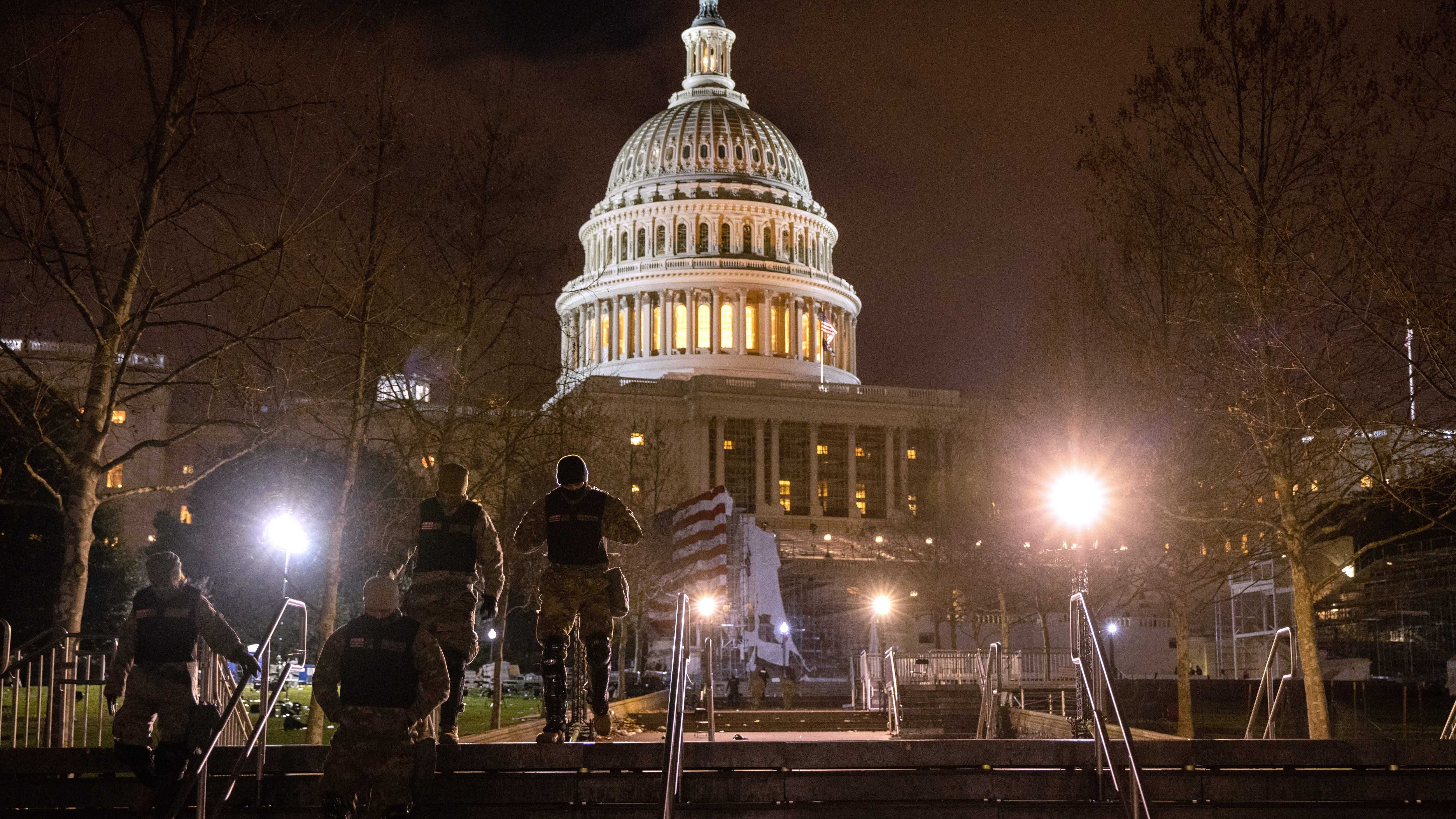


Wednesday’s assault on the U.S. Capitol has raised many questions about how law enforcement handled the riot.
It was evident early on that the small force of Capitol police would be no match for the hordes of Trump supporters descending on the building. There were no rubber bullets, tear gas or militarized police in the early moments of the siege and assistance from the National Guard did not arrive for several hours, allowing trespassers to rifle through documents in lawmaker’s offices and pose for photos on the dais of the Senate chamber where the Vice President sits.
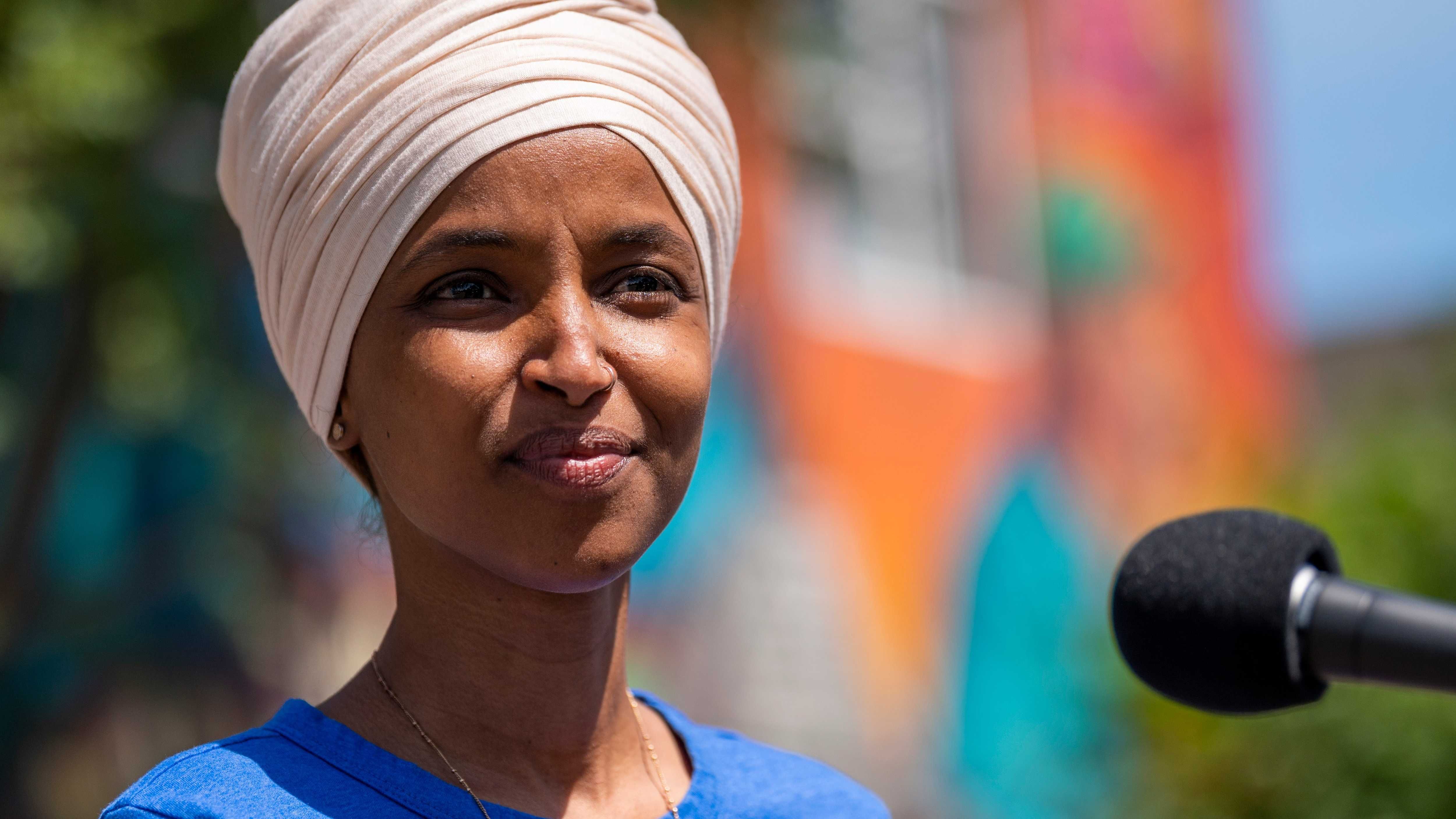
“I just want everyone to know in Minnesota that this was an infuriating day yesterday,” Minnesota Senator Amy Klobuchar told WCCO Radio. “It was heartbreaking. This is the people's house and a mob literally was allowed to storm in.”
The Capitol police is made up of about 2,000 officers who are responsible for protecting the building and its grounds and is under the control of Congress, and it was their responsibility to request mutual aid in advance from agencies such as the D.C. police or sheriff’s departments from nearby counties.
Klobuchar said it was important they return to finish the votes, which happened early Thursday morning when Joe Biden was confirmed.
Typically, crowd control barriers are tied together to create a solid line. Leaving them separated allowed the crowd to simply move them aside or even use them as battering rams.
Congress has vowed to investigate the tepid initial response.
In some areas police clashed with supporters, while in others officers simply observed and kept their distance. A livestream from one supporter inside the building shared on social media appeared to show an officer taking a selfie with a rioter before letting him in the building.
Capitol Police Chief Steven Sund has defended the department’s response, saying his officers acted heroically “given the situation they faced.”
But many critics say the department should have been much more prepared from the beginning.
Some social media users and D.C. residents noted that the Capitol police regularly responds to protests, often with much more force.
Political Science Professor James Taylor says there was a clear difference between the way police responded to the siege and the reaction to Black Lives Matter protests last summer.
“We can see BLM, we can see the reaction to Kenosha or Minnesota, we see armed military, fatigued officers at the ready,” he said, calling the Capitol police “a ragtag motley crew of police officers unarmed.”
He says that the double standard goes beyond just the law enforcement response and strikes at the heart of how protests are defined in America.
“Everybody knows that if this is Barack Obama behaving this way, it would be racialized. Everybody would say it has something to do with Barack Obama being black and him acting this way. But because it’s Donald Trump, he’s acting out in a way that is completely unacceptable to everyone and yet it’s not understood in that context.”
Despite the extensive damage in and around the Capitol, police made only a handful of arrests. One woman was shot and killed by police inside the building. Police found multiple bombs, guns and a Molotov cocktail.