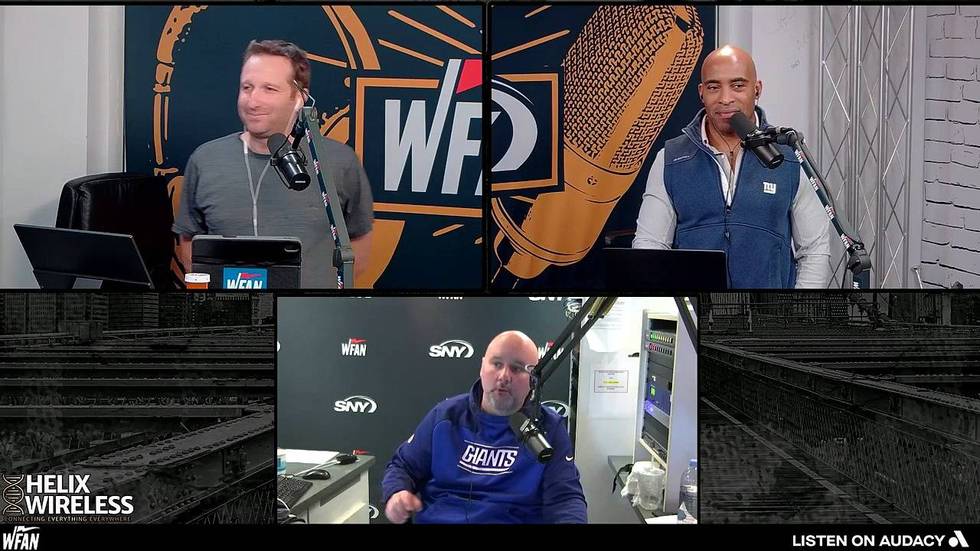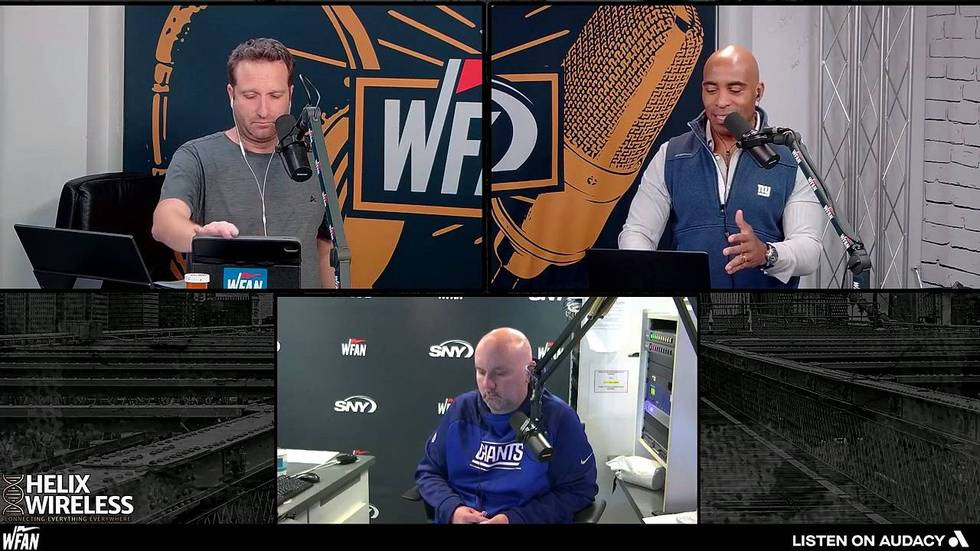


Former MLB commissioner Bud Selig and 'Mike & The Mad Dog' had their battles on the air back in the day. Those days are long in the past.
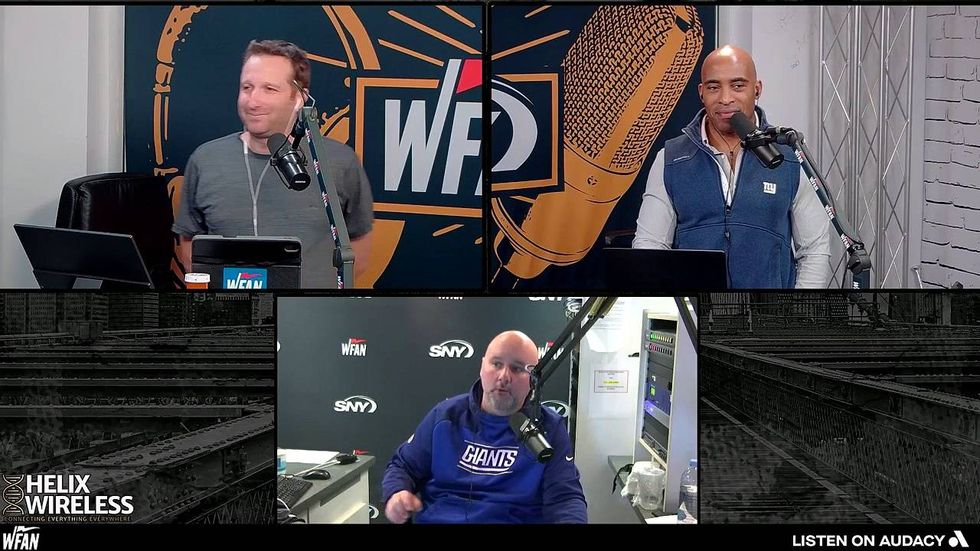
Selig joined Mike Francesa in studio on WFAN Tuesday to promote his new book "For The Good Of The Game." When Selig was commissioner, steroids was a major issue and a big part of the game.
"I knew we had a problem. 2000, I banned it in the minor leagues," Selig told Francesa. "Now we're in 2002 right to the deadline August 31st ... the last item 7:00 in the morning. Tommy Glavine had come in. Everybody wanted to make a deal, but it was painful. Rob Manfred kept saying to me '5 percent test positive. That was the deal. I didn't like it, it was weak. It was the best we could do. I just didn't take another work stoppage at that time. It had been a painful recovery. It turned out it was alright. By 2003, over five percent tested positive. It was like pulling teeth and it was brutal."
Barry Bonds and his PED use and passing Hank Aaron on the all-time home run list has always been a controversial issue.
"There were things that went on that were painful to me. That was one of them," Selig said. "It wasn't because of my relationship. Henry and I had been friends for 60 years. Henry would call me a lot. I didn't think the commissioner of baseball should be a go between (Bonds and Aaron). Henry hadn't returned his call and never did. I said to Barry 'you're asking the commissioner to be the go between in a business deal. I said no i don't think so.'"
Should PED users be allowed in the Hall of Fame?
"The writers know the whole story. They know who cooperated and who didn't," said Selig. "There were some players who really did cooperate. They may have used. They may have not. It's a very complex issue. I'm going to let the writers make that judgment. They know what I know. I'll let them make that decision."
Selig came in as commissioner at a very difficult time. There was a lot of work that needed to be done to bring revenue to the sport.
"In 1992. We had no labor and peace. We had seven work stoppages. There was no revenue. None. Zero," Selig said. "They were resistant to change to a point where they hadn't changed anything. When I started studying the Wild Card in my first year. I'm thinking to myself ... well, we deed September away. If there aren't races, it's over by Labor Day, but the owners were good."Baseball was in big trouble. In 1995 we had tried a baseball network in 1994. In 1995 we had no television. I inherited a mess. It was. There was no TV deal. Many clubs have said to me since 'if you don't do what you did in the 90's, we would be out of business.'"
You can hear the entire nearly hour-long interview with the former commish in studio in the audio player above.