

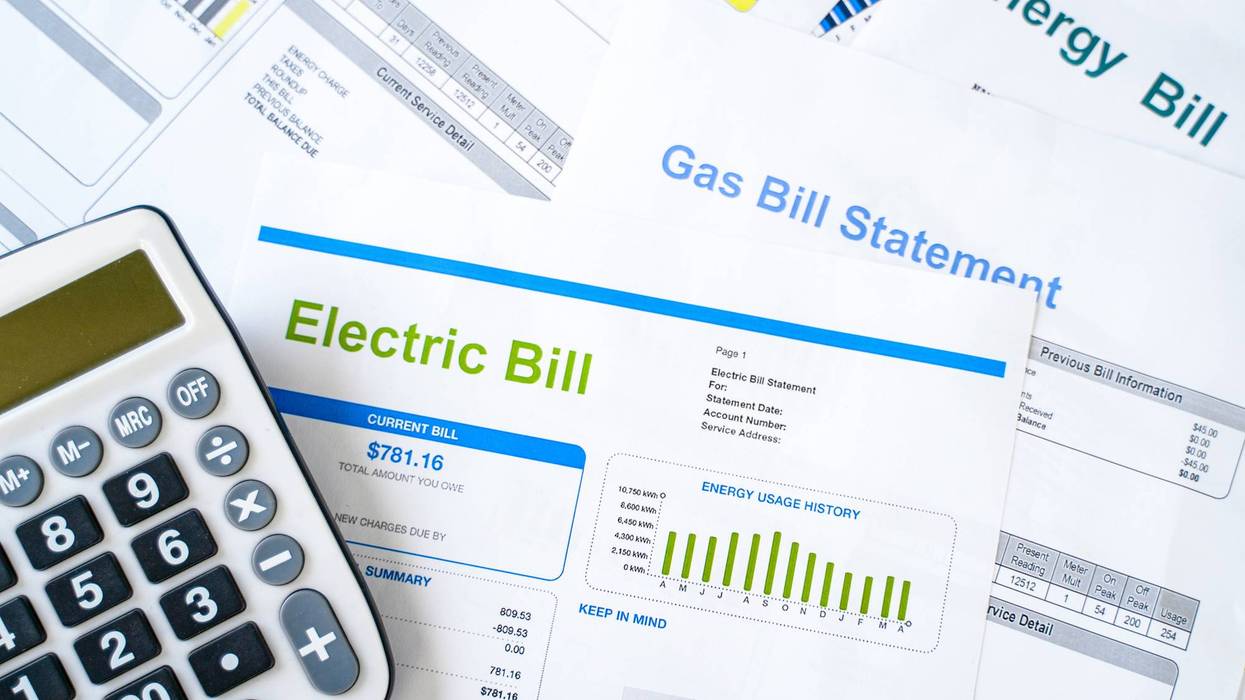
HARRISBURG, PA — A regulatory disagreement over how Pennsylvania’s low-income utility discounts are administered has created a divide between consumer advocates and state utility regulators. Although state law requires electric and natural gas utilities to offer discounted bill rates to qualifying low-income households, program enrollment numbers have historically reached only a small fraction of eligible residents across the Commonwealth. While a new statewide data-sharing framework allows utilities to identify eligible consumers, opposition from key regulators at the Pennsylvania Public Utility Commission (PUC) continues to block efforts to automatically enroll qualified households.
Consumer protection advocates, including the Pennsylvania Office of Consumer Advocate, contend that automatic enrollment using federal Low-Income Home Energy Assistance Program (LIHEAP) records is the most efficient method to ensure vulnerable families receive assistance under utility-run Customer Assistance Programs (CAPs). Under proposed "opt-out" models, utilities would automatically apply bill discounts to low-income residents who already qualify for federal energy assistance unless the customer explicitly declines to participate. Advocates argue that requiring secondary, repetitive application processes creates burdensome administrative hurdles that prevent thousands of struggling households from obtaining essential bill relief.
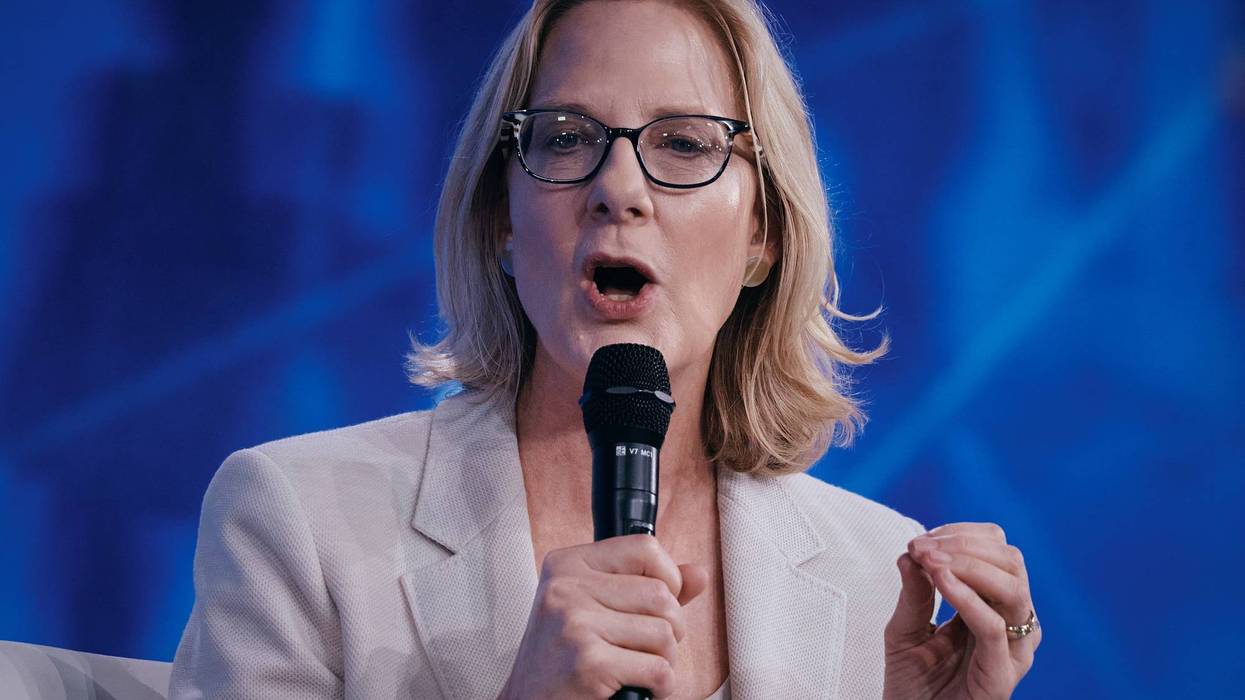
However, automatic enrollment faces firm opposition from top utility regulators. PUC Chairman Stephen M. DeFrank has voiced strong objections to default enrollment proposals, citing concerns regarding consumer choice, contractual interference, and hidden financial trade-offs. Under existing commission guidelines, enrolling in a utility CAP can trigger restrictions that require customers to forfeit existing debt forgiveness arrangements or force them off competitive electric generation suppliers. DeFrank maintains that consumers must affirmatively consent before being placed into programs that alter their account status or private supply contracts.
While opposing automatic enrollment as a default option, DeFrank supports using streamlined LIHEAP data-sharing to help utilities directly reach out to eligible consumers, simplify duplicate income verification requirements, and expedite voluntary applications. As utility rates continue to face upward pressure across the state, public health and consumer groups maintain that without automated enrollment, administrative barriers will keep vital energy assistance out of reach for thousands of Pennsylvanians.