

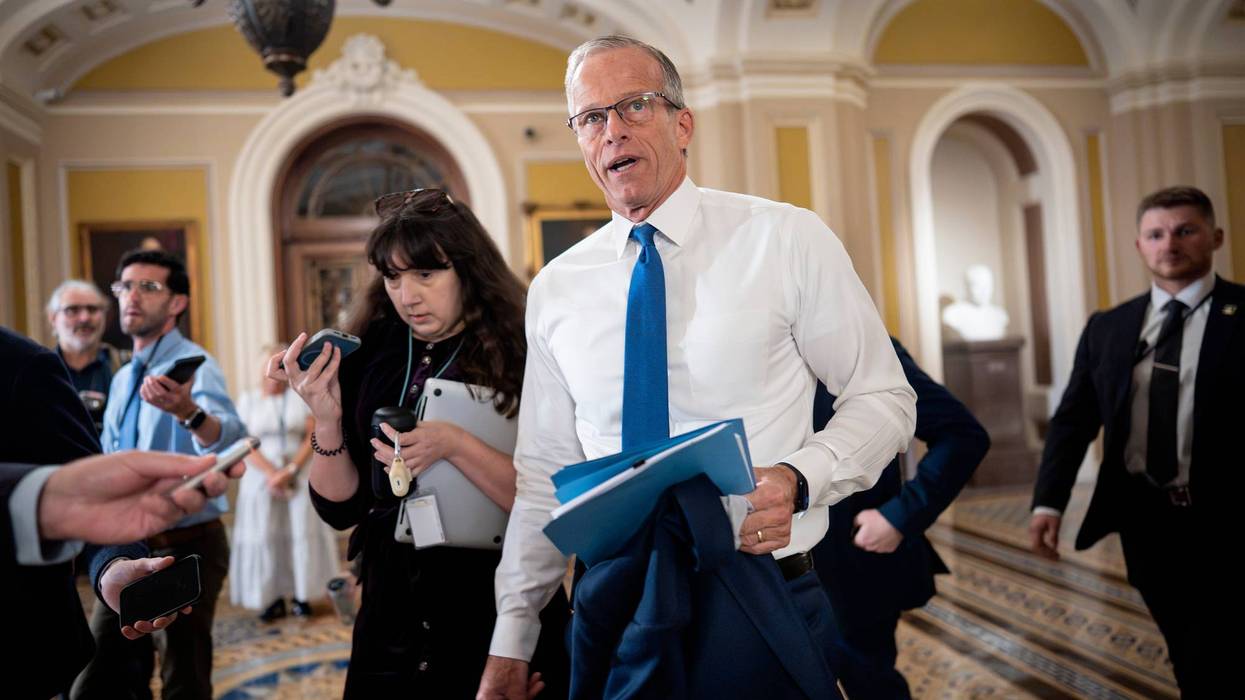

WASHINGTON (AP) — Senate Republicans reelected South Dakota Sen. John Thune as their leader Tuesday after a tense day of private discussions about steep losses in the midterm elections that cost them their majority.
Thune was always expected to prevail, as he is popular with his GOP colleagues and was running unopposed in the secret-ballot election. But Senate Republicans vented their frustrations in three separate meetings Tuesday after an election wipeout that cost them at least seven Senate seats.
Some Republicans had tried to delay the leadership decision, but the conference voted 31-15 to proceed with a vote after Thune made his case to his colleagues, laying out his vision for the minority and also promising that they will try and do as much as they can in their final two months in the majority.
“We're going to make the most of the time we've got,” Thune said after he was elected by acclamation, without a roll call vote.
As for next year, Thune said that told his colleagues that they will "come out swinging, and realize we've got a lot of work to be done to get back in the majority.”
The day's meetings were a combination of venting and thoughtful conversation, with some senators who won and lost elections this year sharing their thoughts and others questioning if they should be quickly endorsing their leadership slate after a significant defeat.
West Virginia Sen. Jim Justice said that there was a “legitimate argument that, good gracious, if we lost as badly as we lost, why would we continue on with the same leadership?”
At the same time, the current GOP leadership “didn’t cause this problem to happen,” Justice said. “They do a good job.”
Republicans' angst and indecision come as frustrated Republicans are just beginning to reckon with what the election results mean for their future — and for their relationship with President Donald Trump, as voters resoundingly rejected their two years of single-party rule in Congress and the White House. Two additional Senate races remain uncalled in Alaska and Mississippi that could further deplete their numbers.
“If you don’t think after losing seven Senate seats minimum that we need to change course, I don’t know what planet you’re on,” said Missouri Sen. Josh Hawley, who voted to delay the elections. He said he wasn’t aware of anyone else running for leader, but “maybe there would be” if they waited.
No alternative to Thune emerged
Thune, who replaced Sen. Mitch McConnell of Kentucky as leader in early 2025, pushed back on the idea of a delay, questioning what it would achieve. Several senators backed him up, including his South Dakota colleague Mike Rounds, who countered the calls for postponement with the successful motion to vote immediately.
Sen. Shelley Moore Capito of West Virginia, who was reelected to her leadership position as GOP policy chair, said that Thune wasn't the reason they suffered losses. “I don't think it was the fault of our leadership, quite frankly," she said.
Sen. Roger Wicker, R-Miss., said he had confidence in the newly re-elected slate. The discussion was mainly "about policy,” he said.
Republicans in the meeting were also pushing Thune to stay in session around the clock in the coming weeks to push through war spending and other party priorities before they lose power in January. Republicans are trying to wrap up the year’s work — funding the government, confirming Trump's nominees and seeing if there are some issues where they can work with Democrats, including an energy permitting bill that moved forward on a bipartisan vote Monday evening.
Before the vote on Thune, the conference adopted a resolution to maximize the time they have left and to “confirm every judicial nominee and every executive nominee that the conference approves of.”
“We need a plan to get the Republican agenda done,” said Florida Sen. Rick Scott.
Wisconsin Sen. Ron Johnson circulated a letter before the meeting asking for the delay. He said the conference needs to do some “real soul-searching” but also conceded that there was no one else on the ballot.
“That's part of our problem, who would want the job?” he said on Monday, turning to a reporter and joking, “Do you want it?”
Oklahoma Sen. Jim Lankford said that there was “widespread support” among Republican senators for Thune, who has made it a point to hear out different viewpoints before he makes major decisions and has maintained close relationships with the rank and file — a different approach from his predecessor, McConnell.
Lankford said he supported having the elections on Tuesday because many of the new GOP senators were already in town for freshman orientation.
“It’s a pretty complicated role to be able to manage,” Lankford said of Thune's leadership post. “No one wants that job.”
Thune has navigated Trump in his first two years as leader
Thune has spent much of the last two years navigating Trump, who has often been at odds with the Senate.
While backing Trump on most policies, Thune has refused to change Senate rules and scrap the filibuster to pass voting legislation that would require proof of citizenship for all voters — a position that frustrated Trump and enraged some in the president's political base.
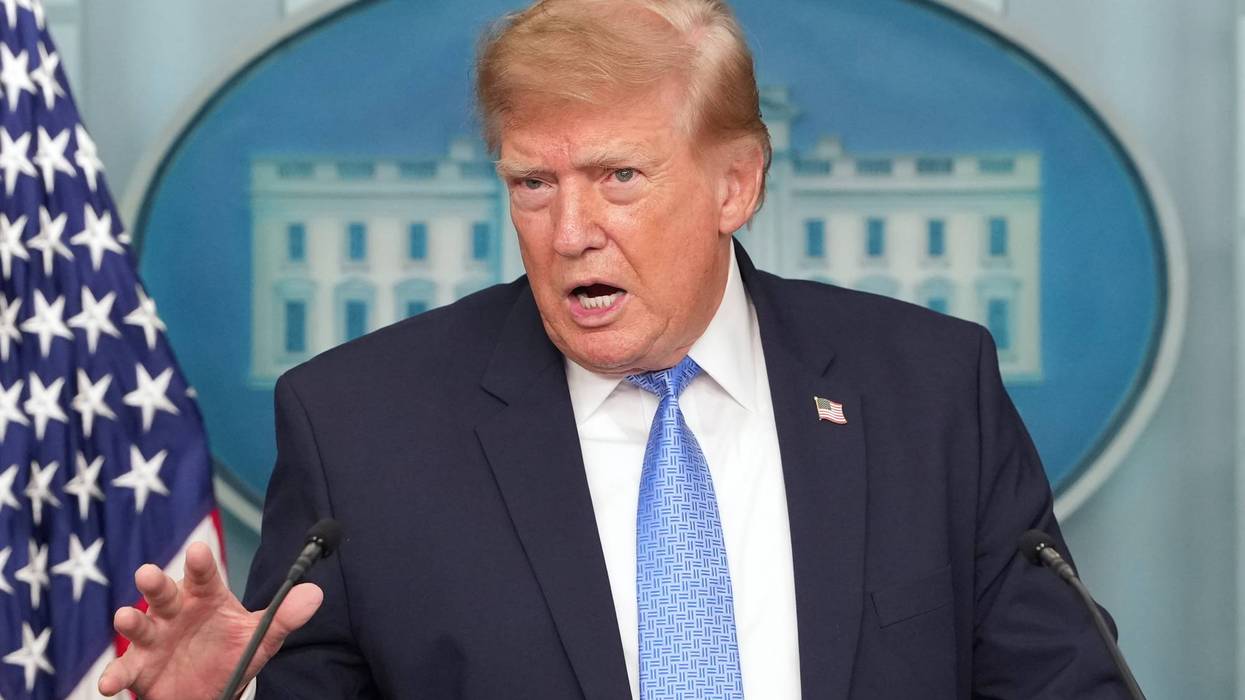
Still, Trump hosted Thune and his family at the White House in October. He said Monday that the GOP leader is “a very fine man.” The election is “up to the Senate,” Trump said.
Thune has emphasized his collaborative approach to his colleagues and pointed out what they did get done in the last two years — including Trump's sweeping tax and spending cuts legislation and an attempt at reining in the chaotic annual spending process.
“We're not going to be running this place next year, the Democrats are,” Thune said afterward. “But you can be assured that we will be very, very active in asserting conservative priorities.”